Pet care in Wareham involves more than treating an illness when it appears. Regular wellness visits, preventive care, diagnostic testing, and knowing when to seek urgent attention can all help support your pet’s health throughout the year. Understanding available veterinary services can also make it easier to respond when your pet needs professional care.
This guide covers important aspects of veterinary care in Wareham, from routine wellness and advanced diagnostics to emergency preparation and practical tips for veterinary visits. It also highlights how Wareham Animal Hospital supports pets with different healthcare needs and helps owners make informed decisions about their pets’ ongoing health and care.
Understanding Veterinary Care in Wareham
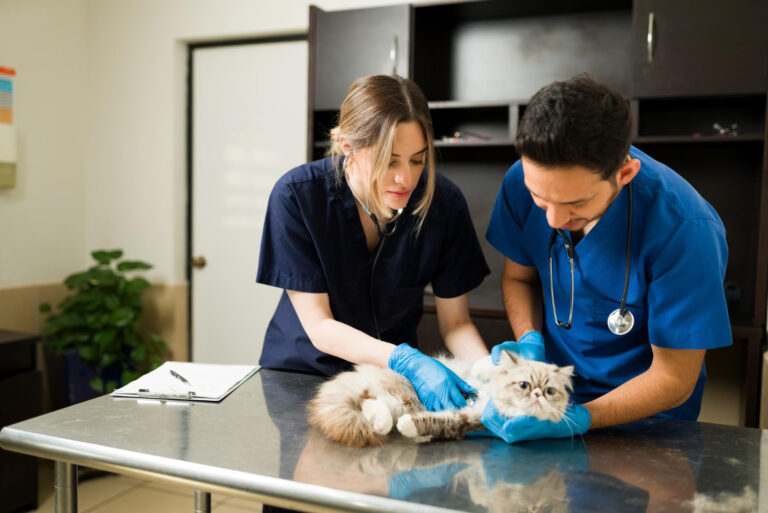
Veterinary care in Wareham includes routine check-ups, vaccinations, preventive care, and treatment for common health concerns. Regular visits can help monitor a pet’s health and identify potential problems early.
When symptoms require further evaluation, veterinarians may use diagnostic services such as blood tests, ultrasound, or echocardiography to better understand a pet’s condition and determine appropriate care.
Pet owners should also know where to seek urgent or emergency veterinary care when unexpected illness or injury occurs. Keeping medical records, medication details, and veterinary contact information readily available can make these situations easier to manage.
Wareham Animal Hospital
Wareham Animal Hospital provides general veterinary care, urgent care, emergency services, and specialty medicine for pets in Wareham and nearby areas. The hospital focuses on timely evaluation and treatment for illnesses, injuries, and other health concerns.
Its diagnostic services include echocardiography, abdominal ultrasound, and thoracic ultrasound, along with surgical care and special procedures. These services can help veterinarians evaluate complex conditions and develop appropriate treatment plans.
Pet owners can learn more about emergency veterinary care and pet echocardiograms or visit the contact page for current information.
Emergency and Urgent Care: Plan Before You Need It
Knowing where to seek urgent veterinary care can make unexpected situations easier to manage. Wareham Animal Hospital provides emergency veterinarian service and urgent care for pets in Wareham. Pet owners should keep the hospital’s contact information available and call ahead when possible.
It is also helpful to keep your pet’s medication list, medical records, weight, and allergy information easily accessible. If your pet has trouble breathing, heavy bleeding, or suddenly cannot stand, seek veterinary attention promptly.
Advanced Diagnostics and What They Change
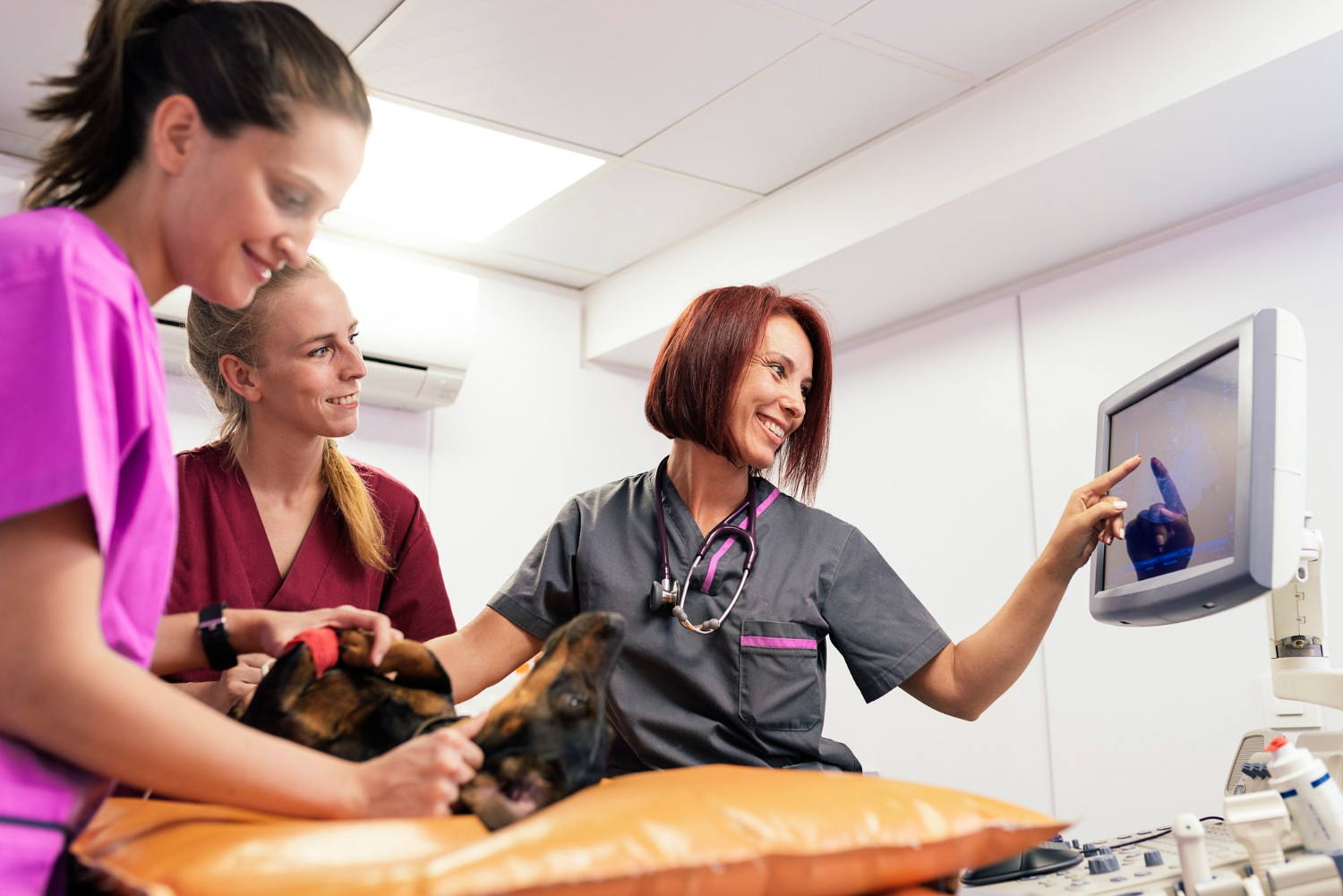
Wareham Animal Hospital offers diagnostic services such as echocardiography, abdominal ultrasound, and thoracic ultrasound. These tools can help veterinarians evaluate internal organs and identify conditions that may require further treatment.
The hospital focuses on prompt and accurate diagnosis along with appropriate treatment. Diagnostic imaging can provide useful information when a routine examination alone does not explain a pet’s symptoms.
Routine Wellness Care Through the Year
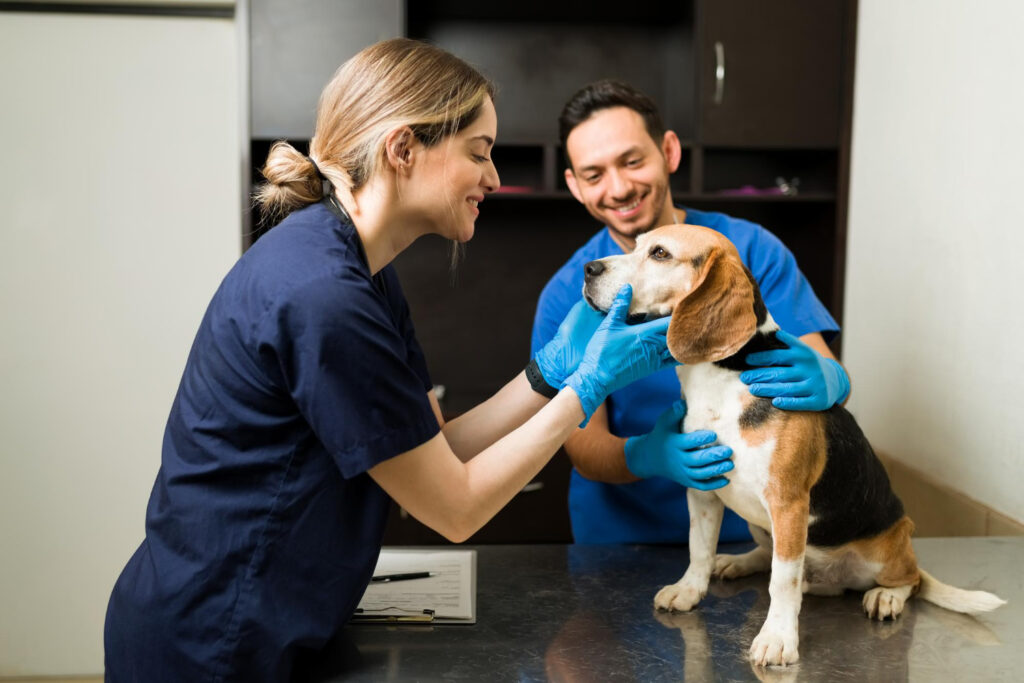
Regular wellness care helps monitor your pet’s health and address potential concerns early. Routine visits may include physical examinations, vaccinations, preventive care, and recommended testing based on your pet’s age, lifestyle, and medical history. These visits also give pet owners an opportunity to discuss changes in behavior, appetite, activity levels, or other concerns with their veterinarian. Wareham Animal Hospital offers personalized wellness plans designed to support ongoing health needs and provide appropriate care as pets move through different stages of life.
When Your Pet May Need Urgent Attention
Some symptoms require prompt veterinary attention rather than waiting for a routine appointment. Difficulty breathing, heavy bleeding, seizures, sudden weakness, severe pain, repeated vomiting, or an inability to stand or walk can indicate a serious health problem that needs immediate evaluation.
If your pet develops sudden or severe symptoms, contact a veterinary professional as soon as possible. Keep medical records, medication details, allergies, and your veterinarian’s contact information ready. Quick action and clear information can help the veterinary team understand the situation and provide appropriate care.
How to Prepare for a Veterinary Visit
Keeping Your Pet’s Medical Records Organized
Keeping your pet’s medical records organized makes it easier to track their health over time. Keep vaccination details, test results, prescriptions, allergies, previous treatments, and important veterinary notes together in one accessible place.
Update the records after each veterinary visit and keep digital copies when possible. Having this information ready can help your veterinarian understand your pet’s medical history, especially when urgent care or additional testing is needed.
How to Choose Veterinary Care for Your Pet
Frequently Asked Questions
Where can I find an emergency vet in Wareham, MA?
Wareham Animal Hospital provides emergency veterinarian service and urgent care for dogs in Wareham. Availability can vary, so contact the hospital ahead of time to confirm the current emergency care process and whether your pet can be seen.
What should I bring to a first veterinary appointment?
Bring vaccination records, previous medical records, and a list of current medications or supplements. If your pet has symptoms, note when they started and how often they occur. Use a secure carrier for cats and a leash for dogs.
How can I prepare for a pet emergency?
Keep your veterinarian’s contact information, your pet’s medical records, medication details, and allergy information easily accessible. Knowing where to seek urgent veterinary care before an emergency occurs can help you respond more quickly.
When should I seek urgent veterinary care?
Seek prompt veterinary attention if your pet experiences difficulty breathing, heavy bleeding, seizures, severe pain, sudden weakness, repeated vomiting, or an inability to stand or walk. Contact a veterinary professional to determine the appropriate next step.
Conclusion
Keeping your pet healthy involves regular wellness care, organized medical records, and knowing when urgent attention is needed. Understanding available veterinary services can help you respond more confidently when health concerns arise. Whether your pet needs preventive care, diagnostic testing, or emergency attention, Wareham Animal Hospital provides veterinary support for different needs. If you have concerns about your pet’s health, contact Wareham Animal Hospital today to discuss your pet’s needs and schedule appropriate care.