
Pet Urgent Care in Wareham MA: When to Go in 2026

Pets have a talent for getting hurt or falling ill at the worst possible moment, often late on a Friday or the morning of a holiday weekend. When something is clearly wrong but does not look like a life-threatening crisis, urgent care can be the right middle ground between waiting several days for a routine appointment and driving to a full emergency hospital.

Knowing which symptoms belong in urgent care, which belong in an emergency room, and what actually happens once you arrive makes the decision faster and less stressful. Here is how that process works for pet owners in Wareham and the surrounding towns, along with the local contact details worth saving in your phone before you need them.

What Pet Urgent Care Means in Practice

Urgent care sits between general practice and critical care. It exists for problems that need attention today but are not immediately life threatening, such as a sudden limp, a minor wound, an eye that has swollen shut, or a pet that has vomited a few times and is now quiet and off food.

Directory listings describe Wareham Animal Hospital as an animal hospital that primarily offers urgent care services. Those same listings note characteristics that include general practice, emergency care, and urgent care, which matters for local pet owners. A practice that handles both routine medicine and same-day problems can often evaluate a sick pet without the longer wait and the higher triage threshold that a dedicated critical care hospital applies.

That distinction is worth understanding, because not every same-day option is the same. A separate listing for a wellness-focused provider in the Wareham area states plainly that those clinics focus on basic wellness checks, vaccinations, heartworm testing, and microchip placement, and that they do not offer surgeries, emergency, or illness care. If your pet is genuinely sick or injured, that kind of appointment is not a substitute for urgent care.

Urgent Care or Emergency Care?

The dividing line is stability. A pet that is breathing normally, alert, and able to stand and walk is usually a candidate for urgent care. A pet that is struggling to breathe, collapsing, bleeding heavily, having seizures, or showing signs of a suspected poisoning or major trauma needs an emergency hospital, and the drive should start immediately rather than after a phone call.

What you are seeing Usual first step
Limping, favoring a leg, or refusing to put weight down Call urgent care for a same-day slot
Small cut, torn nail, or a minor bite wound Call urgent care; keep the area clean on the way
Vomiting or diarrhea that has not stopped, with a pet still alert Call urgent care the same day
Squinting, swelling, or discharge from an eye Call urgent care; eye problems worsen quickly
Collapse, labored breathing, seizures, heavy bleeding, or known toxin exposure Go directly to an emergency hospital

If you are unsure which side of that line your pet falls on, call and describe what you are seeing. A brief phone conversation with a veterinary team is the fastest way to get routed correctly, and it prevents your pet from sitting in the wrong waiting room.

Symptoms That Usually Warrant a Same-Day Call

Urgent care is a reasonable choice when a symptom is new, uncomfortable, or getting worse, but your pet is still responsive and stable. Common reasons owners seek same-day care include:

  • Vomiting or diarrhea that persists through the day, or that comes with reduced appetite
  • Straining to urinate, or urinating more often than usual
  • A sudden limp, stiffness, or reluctance to climb stairs or jump onto furniture
  • An eye that is red, cloudy, weepy, or held partially closed
  • Ear pain, head shaking, or a bad smell from the ear canal
  • Itching, hives, or a rash that appeared quickly
  • Small wounds, torn nails, or a bite from another animal
  • Lethargy or a low-grade cough that has lasted more than a day
  • Not eating for a full day, especially in cats

Cats deserve special mention. A cat that stops eating for even a short stretch can deteriorate faster than owners expect, and cats hide discomfort well, so a same-day call is often the safer choice than waiting to see if tomorrow is better.

Signs That Point Straight to an Emergency Hospital

Some situations do not belong in an urgent care queue at all. Seek emergency care immediately if your pet is having trouble breathing, has collapsed or cannot stand, is having a seizure, is bleeding heavily or bleeding from the mouth or rectum, has been hit by a car, has swallowed a medication, poison, or foreign object, is straining to urinate with no urine produced, or has a distended, painful abdomen. In those cases, minutes matter, and calling from the car while someone else drives is the safest approach.

Urgent Care Options Around Wareham

Wareham Animal Hospital is located at 1 Tobey Rd, Ste C3, Wareham, MA 02571, and the listed phone number is (508) 273-7149. An independent ownership profile lists Alberto Fernandez, DVM, DACVECC as the owner and veterinarian, citing a local news report that covered the hospital’s 2023 opening.

Local pet owners have reported positive experiences with same-day urgent care in the Wareham area. In one community group thread, an owner described getting a same-day appointment at an urgent care clinic near the Walmart and called the experience wonderful. Experiences like that depend on daily caseload, so calling ahead remains the reliable move.

A Yelp listing also shows Brijon Veterinary Urgent Care in Wareham Center, which gives local owners a second name to check when the first call does not produce an opening. For families facing end-of-life decisions, a separate listing describes Dr. Michele Sims providing gentle, respectful in-home pet euthanasia in Wareham, serving pet parents throughout Plymouth County and surrounding areas. That is a distinct service from urgent care, but it is worth knowing about before a difficult day arrives.

What to Expect Once You Arrive

An urgent care visit follows a predictable rhythm, and understanding it helps you communicate clearly when you are worried.

  1. Check-in and triage. The team asks what happened and when it started, then gauges how stable your pet is. Pets with the most serious problems are usually seen first, which is why a quiet waiting room does not always mean a fast visit.
  2. History. Expect questions about appetite, water intake, urination, bowel movements, medications, past illnesses, and possible exposure to toxins, foreign objects, or other animals. A timeline of when the symptoms started is genuinely useful, so note it on your phone in the car if you can.
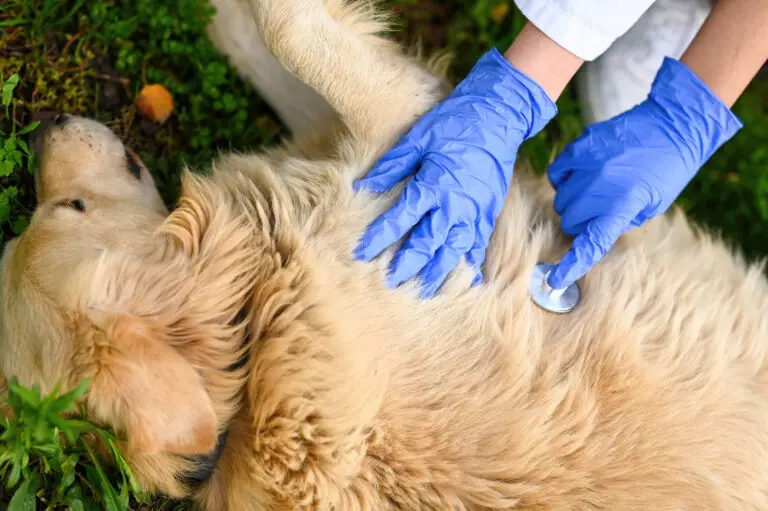
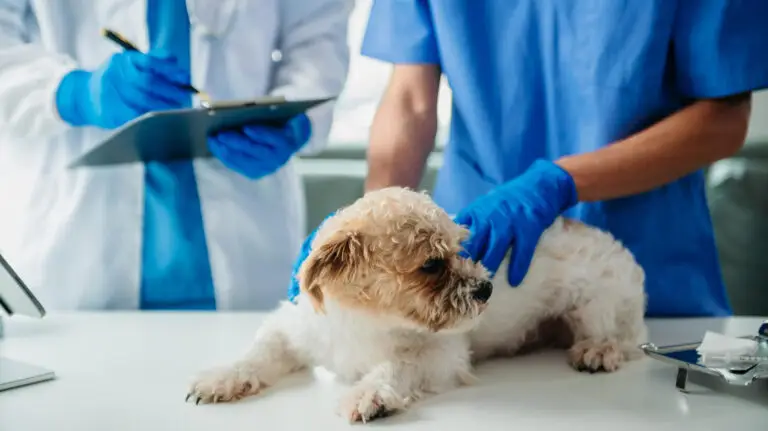
  3. Physical examination. The veterinarian checks gum color, hydration, heart and lung sounds, temperature, abdominal comfort, and the specific area of concern. Some pets need gentle restraint, and most tolerate it well.
  4. Diagnostics. Bloodwork, urine testing, radiographs, or an ultrasound may be recommended based on what the exam shows.
  5. Treatment and a plan. Depending on the findings, care might involve injectable medication, fluids, wound care, pain control, or a prescription to continue at home. The veterinarian should explain the likely cause, the treatment being started, and what to watch for.
  6. Discharge instructions. Ask for written instructions and a clear answer on when to recheck if your pet is not improving within the expected window.

Diagnostics That May Be Recommended

Advanced imaging changes what a veterinarian can see without surgery. Wareham Animal Hospital’s listed services include echocardiography along with abdominal and thoracic ultrasounds, plus surgery and special procedures. Echocardiography evaluates heart structure and function, while abdominal and thoracic ultrasound gives a real-time look at organs inside the chest and belly. For a pet with vomiting, pain, a heart murmur, or a questionable radiograph, these tools can shorten the path to an answer and reduce guesswork in the treatment plan.

How to Prepare Before You Leave the House

  • Call first and confirm that same-day urgent care is available, and mention the specific symptom
  • Bring your pet on a leash or in a secure carrier, even if they normally travel loose
  • List every medication, supplement, and flea or tick product your pet takes
  • Note the timing of the first symptom and anything your pet may have eaten
  • Have your regular veterinarian’s name and phone number available for records transfer
  • Bring a payment method, and ask about payment plans before treatment begins
  • Keep a photo of any wound, rash, or stool that looks unusual

Paying for the Visit

Cost is the question most owners hesitate to ask. Treatment plans vary widely depending on what is found, so the honest answer is that no one can quote a number before your pet is examined. Ask for an estimate before approving diagnostics or treatment, and ask what the priorities are if the plan needs to be staged.

Financing options may be available. Wareham Animal Hospital appears in a veterinary partner network listing for Scratchpay, which pet owners in the Fall River area use to find practices offering payment plans. Coverage through pet insurance, if you carry it, typically reimburses after the visit rather than paying the clinic directly, so bring your policy details and ask for an itemized invoice. Confirm current payment options with the practice directly at (508) 273-7149, since participating plans change over time.

Follow-Up Care After Urgent Care

Urgent care solves the immediate problem, but it does not replace your regular veterinarian. Ask the urgent care team to send the visit summary to your primary vet, keep any recheck appointment on the calendar, and finish every prescribed medication even if your pet seems normal again within a day. If symptoms return or worsen after the visit, call back rather than waiting for the next scheduled appointment, and describe what changed since discharge.

Frequently Asked Questions

Does Wareham Animal Hospital accept walk-ins for urgent care?

Urgent care availability changes daily with caseload, so call (508) 273-7149 before you drive over and describe what is happening. Local owners have reported receiving same-day appointments in the Wareham area. If the team cannot see your pet, they can often direct you to another option, so the phone call still saves time.

What is the difference between pet urgent care and emergency care?

Urgent care handles problems that need same-day attention but are not immediately life threatening, such as limping, minor wounds, or persistent vomiting in an alert pet. Emergency care is for collapse, breathing difficulty, seizures, heavy bleeding, or toxin exposure. If your pet is unstable, skip the call and drive to an emergency hospital.

What should I bring to a pet urgent care appointment?

Bring your pet on a leash or in a carrier, a list of all medications and supplements, and notes about when symptoms started. Have your regular veterinarian’s contact information ready for records transfer, bring a payment method, and photograph any wound or rash. Calling ahead with a symptom description helps the team prepare.

How do I pay for pet urgent care in Wareham?

Ask for an estimate before treatment begins, since costs depend entirely on what the examination and diagnostics reveal. Wareham Animal Hospital appears in a Scratchpay veterinary partner network listing, which suggests payment plan options may be available. Confirm current financing and payment methods with the practice directly, and bring pet insurance policy details for later reimbursement.

Can I take my pet to a vaccine clinic instead of urgent care?

No. Wellness-focused clinics limit their services to basic wellness checks, vaccinations, heartworm testing, and microchip placement, and they state that they do not offer surgeries, emergency, or illness care. A sick or injured pet needs a hospital that can examine, diagnose, and treat the problem the same day.

more insights