
Pet owners in southeastern Massachusetts have real choices. A short drive can put you at a small neighborhood clinic, a full-service animal hospital, or a practice that handles advanced diagnostics and surgery under one roof. The Massachusetts consumer fact sheet on veterinarians frames the goal simply: find the doctor who best meets your needs, then establish a long-term relationship. The second half of that sentence is easy to overlook. A veterinarian who knows your pet’s history is worth more than one who happens to be closest to your driveway.
What follows is a practical way to sort through the options in towns like Wareham, Plymouth, Taunton, Fall River, New Bedford, Bridgewater, Lakeville, Berkley, Mashpee, Falmouth, and Duxbury. Nothing here replaces a conversation with the practice itself, but it will help you ask better questions and compare practices on the things that actually affect your pet’s care.
Start With What Your Pet Actually Needs
Verify Credentials and Regulatory Standing
The Massachusetts Board of Registration in Veterinary Medicine is responsible for regulating veterinarians in the Commonwealth, while the Division of Occupational Licensure provides consumer information about veterinary practice and related regulations. These resources can help pet owners understand the basic regulatory standards that apply to veterinary professionals in Massachusetts.
When researching a veterinary practice, it is also useful to review current information about the veterinarian, services, and availability. Professional directories can provide a starting point, but details may change over time. You should confirm important information directly with the practice, especially if your pet requires emergency veterinary care or specialized diagnostic services.
That extra step helps ensure you understand what care is currently available and where to turn when your pet needs veterinary attention.
Location and Accessibility Matter More Than You Think
Location and accessibility can make veterinary visits easier to manage, especially when your pet needs prompt attention. A practice that is convenient for routine appointments may also be easier to reach when your pet becomes sick or needs follow-up care. Consider how the location fits into your usual schedule and travel routine.
Ask yourself a few practical questions about the drive:
- How long does the trip take on a typical weekday afternoon?
- Is parking convenient when bringing a nervous dog or cat carrier?
- Can you reach the practice easily if your pet needs same-day care?
- Is the location practical for regular wellness visits and follow-up appointments?
For pet owners in Wareham, choosing a conveniently located veterinary practice can make routine care, urgent visits, and ongoing treatment easier to manage.
Match Services to Your Pet’s Health
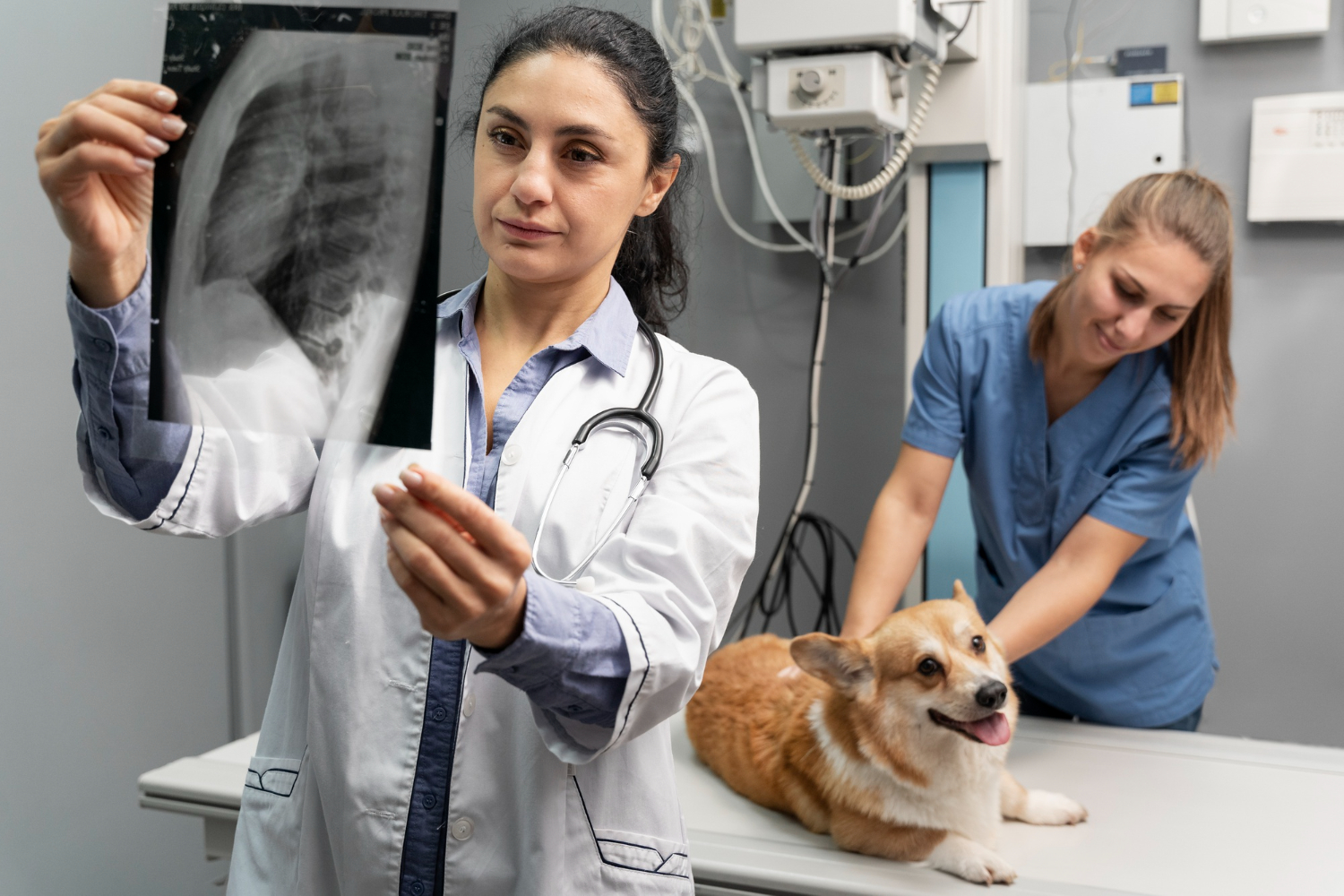
This is where practices genuinely differ. Some are built around preventive care and routine procedures. Others, such as Wareham Animal Hospital, emphasize advanced diagnostic capability alongside general care. Wareham Animal Hospital’s services include echocardiography, abdominal and thoracic ultrasound, surgery and special procedures, emergency care, and personalized wellness plans.
Those capabilities change what happens during a visit. If your pet has a heart murmur, an echocardiogram performed in-house can mean answers without an additional referral trip. If your pet has a chronic gastrointestinal issue, an abdominal ultrasound can be part of the same diagnostic conversation as the exam and bloodwork. If your dog needs a surgical procedure beyond a routine spay or neuter, having a hospital equipped for special procedures reduces the number of places you need to coordinate with.
Consider matching your pet’s likely needs to the practice’s stated strengths before you book. A practice that advertises dentistry, diagnostics, surgery, and wellness care is telling you where it invests, and that tells you something about how well it may fit your household over the next several years.
Ask About Fees, Services, and Payment Before the First Appointment
Questions Worth Asking Any Practice
- Who will see my pet at each visit, and will we see the same veterinarian consistently?
- What diagnostic equipment is available on site, and what gets referred elsewhere?
- How are after-hours emergencies handled, and where are patients directed?
- How do you reach the practice with a question about a pet already under care?
- What does a typical wellness visit include for a pet my age and species?
- How do you prefer to discuss treatment options and costs before care begins?
How a practice answers matters as much as the answers themselves. Clear, direct responses suggest a team that communicates well under pressure, which is exactly what you want during a health scare.
Compare Practices Side by Side
A simple comparison keeps the decision grounded in facts instead of first impressions. Fill this in for two or three practices and the choice usually becomes obvious.
| What to compare | Why it matters | Where to confirm it |
|---|---|---|
| Regulatory standing | Veterinary medicine in Massachusetts is regulated by the Board of Registration in Veterinary Medicine | Mass.gov veterinarians consumer fact sheet |
| Directory listing details | MVMA listings are self-reported and not verified or endorsed by the association | MVMA Find a Veterinarian directory, then the practice directly |
| Location and accessibility | Travel time affects how often you will actually go, including for urgent visits | Your own drive at a realistic hour |
| On-site services | Imaging, surgery, and dentistry performed in-house reduce referral trips | The practice’s service list and a phone call |
| Fees and payment | Understanding billing upfront prevents surprises during treatment | A scheduled visit or call to discuss fees, services, and payment |
| Emergency arrangements | You need to know what to do when something happens outside normal hours | The practice, before you need it |
Check How the Team Communicates
Credentials and equipment are important, but communication also plays a major role in your pet’s veterinary care. Pay attention to how the team responds to questions, explains services, and communicates during appointments. Clear communication can make it easier to understand your pet’s condition and follow the recommended care plan.
Notice whether the person answering the phone can provide basic information or helps direct you to the right team member. During appointments, consider whether the veterinarian explains findings clearly and gives you time to ask questions. You should leave understanding the treatment plan, follow-up instructions, and what to monitor at home.
Telehealth may also be useful for certain minor concerns or follow-up questions. However, online consultations do not replace hands-on examinations, diagnostic testing, or emergency veterinary care when those services are needed.
The Long-Term Relationship Test
Frequently Asked Questions
How do I know if a veterinarian is licensed in Massachusetts?
The Massachusetts Board of Registration in Veterinary Medicine oversees veterinary professionals in the Commonwealth. Pet owners can review state resources to understand veterinary regulations and consumer information. You can also confirm current licensing and practice details through official Massachusetts resources before choosing veterinary care.
Should I pick the closest practice or the one with the most services?
Both location and available services can matter. Consider how easily you can reach the practice for routine and urgent visits, along with the type of care your pet may need. If your pet requires advanced diagnostic imaging or specialized treatment, available services may be an important part of your decision.
Is it acceptable to ask about fees before booking an appointment?
Yes. Asking about fees, services, and payment options before an appointment can help you understand what to expect. Pricing can vary depending on the type of examination, testing, or treatment required, so confirm current fees directly with the veterinary practice.
Can I use an online veterinarian instead of a local hospital?
Online veterinary services may be useful for certain questions, follow-ups, or general guidance. However, they cannot replace hands-on examinations, diagnostic testing, surgery, or emergency treatment when those services are necessary. A local veterinary practice remains important for ongoing and in-person care.
Conclusion
Choosing a veterinarian is about more than finding a nearby clinic. It involves understanding your pet’s health needs, available services, emergency support, and the quality of communication you can expect over time. Taking these factors into account can help you build a long-term relationship that supports your pet’s wellbeing at every stage of life. If you are looking for veterinary care in Wareham and surrounding areas, contact Wareham Animal Hospital to learn more about available services and discuss the right care plan for your pet.