Bringing your cat home after an operation comes with a clear set of responsibilities. Keep the environment clean and quiet, follow the medication schedule your veterinarian prescribed, and stop your cat from running, jumping, or stretching while the incision heals. Cats are skilled at masking discomfort, so a large part of aftercare is simply paying close attention to small changes in behavior. What follows covers the typical recovery timeline, how to build a comfortable recovery space, and the moments when a call to your veterinary team is the right move.
Set Up a Quiet, Low-Traffic Recovery Space
During recovery, it helps to observe your cat’s behavior in a setting that is calm and predictable. A room away from the busiest parts of the home gives your cat a place to rest without dodging footsteps, children, or other pets. Keep the space clean and quiet, and check on your cat often enough that you notice changes without hovering. The goal is a room your cat can settle in for several days at a time.
Choosing the Right Room
Look for a space with a door that closes, soft flooring, and few opportunities to climb. A spare bedroom or a quiet bathroom often works better than a main living area, because stairs, cat trees, and high furniture are the fastest routes to a jump you did not plan for. If your home has multiple floors, keeping your cat on the ground floor removes a daily temptation to take the stairs.
Bedding and Comfort
Offer a low-sided bed so your cat can step in without hopping, and keep the bedding clean and dry. Wash or swap bedding regularly during recovery, since a clean sleeping area supports the healing wound and reduces the chance of irritation. Place the bed away from drafts and away from doorways where the household passes through constantly. Some cats prefer to burrow under a light blanket, so let your cat choose how much cover feels right.
How Long Cat Recovery After Surgery Usually Takes
Recovery length depends entirely on the procedure. A routine spay or dental procedure follows a much shorter arc than an orthopedic repair. The timelines below reflect general veterinary guidance, and your own cat’s schedule may differ based on the surgeon’s instructions and your cat’s overall health.
| Recovery stage | Typical timeline |
|---|---|
| Activity restriction after most procedures | 7 to 10 days |
| Surgical wound healing | Around 7 to 10 days |
| Return to normal after routine procedures | 10 to 14 days |
| Bulk of recovery completed | 8 to 12 weeks |
| Full recovery from orthopedic surgery | 6 months or more |
Those numbers can look contradictory at first glance, and that is because they measure different things. The wound itself typically closes over the course of a week to 10 days, which is why activity is restricted for roughly that long. Routine procedures often have cats behaving normally again within 10 to 14 days. Deeper healing continues much longer, though. Roughly 80% of a cat’s recovery takes place in the 8 to 12 weeks after surgery, and orthopedic cases can run six months or longer before full activity returns.
Restrict Running, Jumping, and Stretching
For most procedures, your cat’s activity should be restricted for 7 to 10 days after surgery. Running, jumping, and other vigorous movement all need to wait until the wound has healed. Sudden jumping or stretching can pull at the incision and set healing back, which is why veterinarians typically recommend limiting movement for about a week. This is often the hardest part of aftercare, because a cat who feels better on day three will try to resume a normal routine.
Practical Ways to Limit Movement
- Close the door to the recovery room so your cat cannot roam the house.
- Block access to stairs, counters, and window perches.
- Move food, water, and the litter box to floor level within easy reach.
- Use a low-sided litter box so your cat does not have to step up or jump in.
- Remove or lower cat trees and scratching posts for the restriction period.
Handle Your Cat Gently
When you need to move your cat, support the chest and hindquarters together and lift slowly. Avoid picking your cat up by the front legs or under the belly alone, and skip any activity that involves stretching the body out. If your cat resists being held, sit on the floor instead and let your cat come to you. Short, calm contact is usually better than a long handling session during the first week.
Give Medications Exactly as Prescribed
Giving medications as prescribed is one of the core pieces of cat surgery aftercare. Your veterinary team will send home instructions covering what to give, how much, and how often. Follow that schedule closely rather than waiting to see whether your cat seems uncomfortable. If you are unsure whether a dose was given or missed, call the clinic rather than doubling up.
Stick to a Written Schedule
A simple written chart on the refrigerator helps when more than one person is caring for the cat. Note the time of each dose, and keep the medication in a consistent spot so nothing gets forgotten during a busy day. If your cat is difficult to medicate, ask your veterinary team for technique tips before you get frustrated, since stress for both of you works against a smooth recovery.
Ask Before Adding Anything
Do not reach for over-the-counter products, supplements, or leftovers from a previous prescription without checking first. Some products that are safe for people or dogs are not appropriate for cats. Your veterinarian knows your cat’s surgical history and current medications, so a quick call is the fastest way to a reliable answer.
Watch Your Cat’s Behavior Every Day
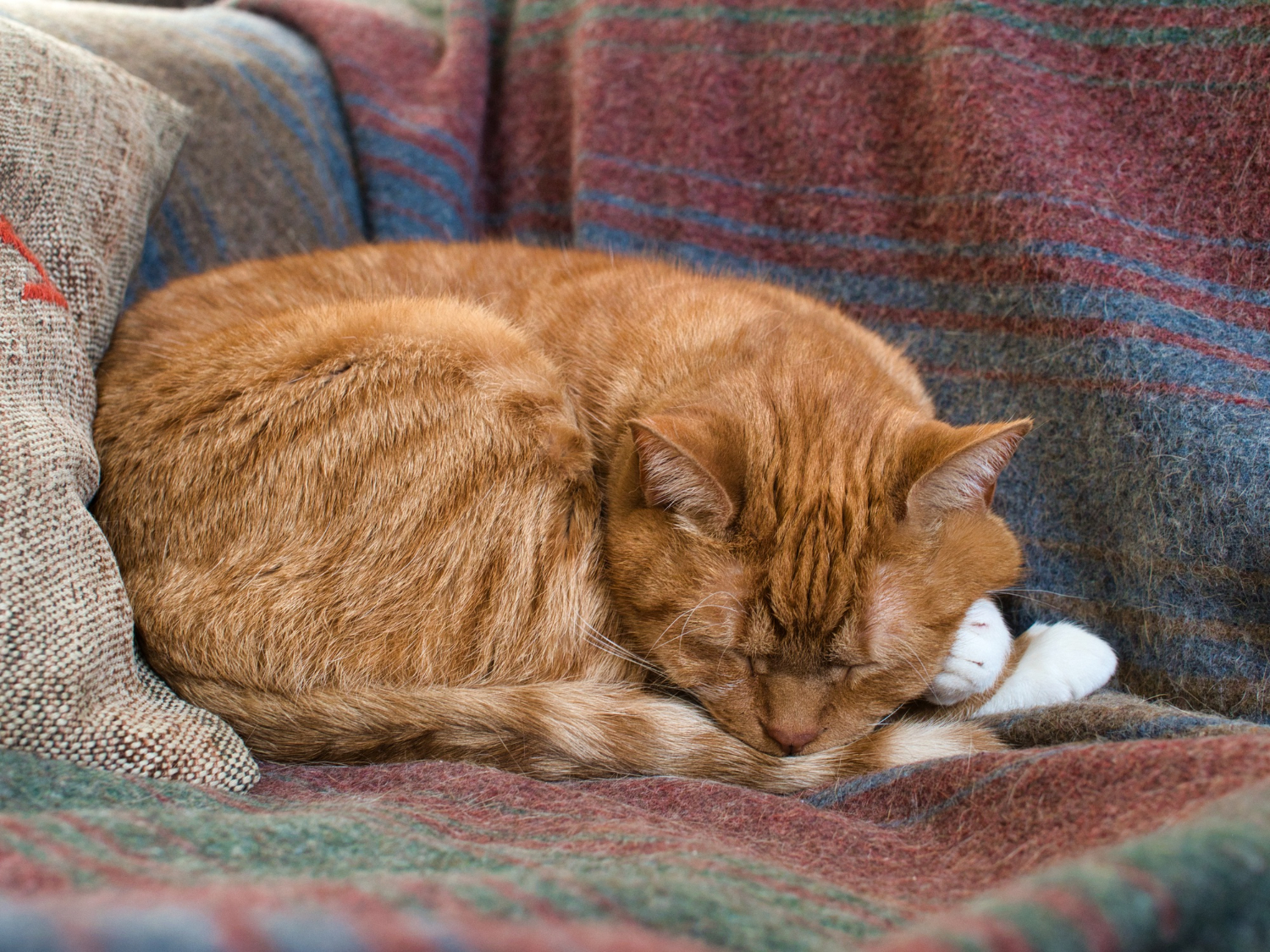
Observation is a simple but powerful tool during recovery. Spend a few minutes each day noting how your cat moves, eats, drinks, and uses the litter box. A cat that was bright and interactive yesterday and is withdrawn today is telling you something, even if nothing looks obviously wrong.
- Appetite and interest in food and water
- Energy level and willingness to move around the recovery room
- Comfort and posture when resting or standing
- Litter box habits and any change in routine
Keep notes if it helps you track patterns, and share them with your veterinarian at any follow-up visit.
Keep the Recovery Area Clean
Keeping the environment clean and quiet is one of the most consistent recommendations in post-operative care. Wash food and water bowls daily, scoop the litter box often, and change bedding regularly. Clean hands before and after handling your cat, especially around the incision area. A tidy space also makes it easier to spot anything that looks different, from a soiled bandage to a spot of discharge on the bedding.
Make Eating, Drinking, and Litter Box Use Easier
Everything your cat needs should be within a few steps of the resting spot. Set food and water at floor level, and keep the water bowl away from the litter box. A low-sided box is easier to step into than a high-sided model, and keeping it in the same room eliminates a trip down the hall. If your cat normally eats on a raised surface or in a different part of the house, move the setup temporarily rather than asking your cat to climb for a meal.
When to Contact Your Veterinarian
Discharge instructions are your primary guide, so read them before you leave the hospital and keep them somewhere you can find them. Call your veterinary team if anything about your cat’s recovery concerns you, including changes in behavior, appetite, or comfort level. If your cat had surgery at Wareham Animal Hospital, the practice provides surgical services, emergency care, and advanced diagnostics including ultrasound and echocardiography, and the team can answer questions about your cat’s specific procedure and recovery plan. For pet owners across Wareham and the surrounding southeastern Massachusetts towns, that local access to care matters when a question comes up on a weekend or a holiday.
Frequently Asked Questions
How long does cat recovery after surgery usually take?
Most cats recover from routine procedures within 10 to 14 days, although full healing can take longer depending on the surgery. Activity is typically restricted for 7 to 10 days while the wound heals. Roughly 80% of recovery happens in the 8 to 12 weeks after surgery, and orthopedic procedures can take six months or more before full activity returns.
Can I leave my cat alone after surgery?
That depends on the procedure and your cat’s condition, so confirm it with your veterinary team before you plan to be away. If you do leave your cat alone, use a quiet, contained space with food, water, and a low-sided litter box within easy reach, and nothing to jump onto. Check in on your cat as soon as you return.
Should I keep my cat in one room during recovery?
Many owners find a single quiet room is the simplest way to prevent running and jumping during the 7 to 10 day restriction period. It also keeps the environment clean and easy to monitor. Ask your veterinarian whether a contained room or another setup suits your cat’s specific surgery, since orthopedic cases often call for stricter limits.
Do cats prefer to be alone while recovering?
Cats vary. Some seek out a quiet corner and want minimal handling, while others stay close to their people. Offer a calm, clean space with a comfortable bed and let your cat decide how much company to take. Short, gentle contact is fine as long as your cat is not resisting or trying to move away.
What should I do if I am worried about my cat’s recovery?
Call your veterinary team and describe what you are seeing, including changes in appetite, energy, comfort, or litter box habits. Bring your discharge instructions with you if you go in for a visit. A practice with emergency care and advanced diagnostic tools can evaluate your cat quickly and adjust the recovery plan if needed.