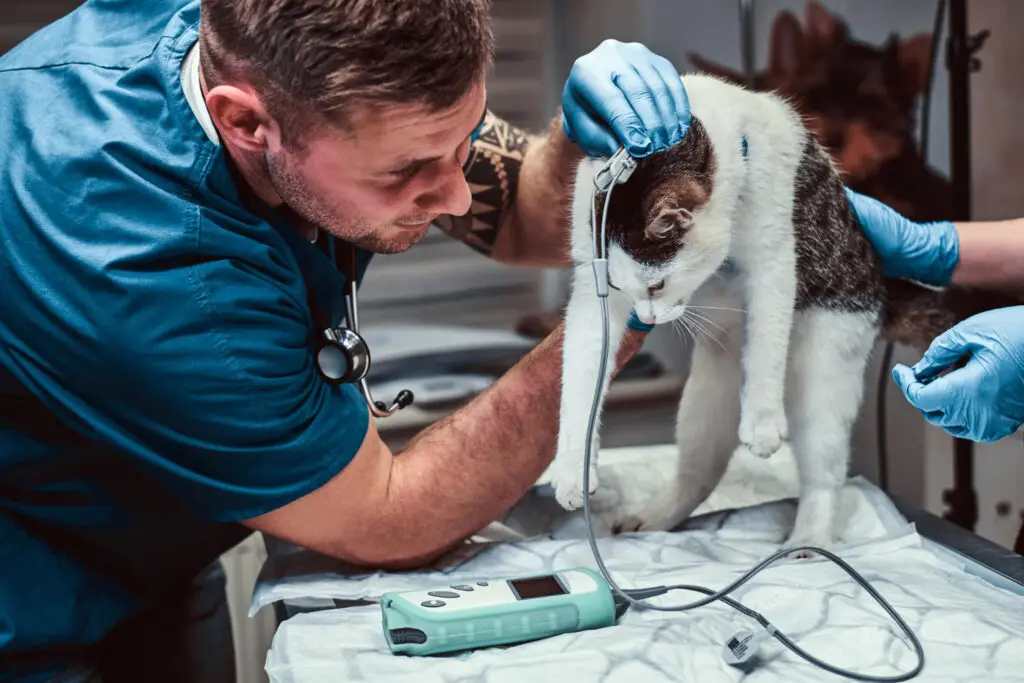
Scheduling a procedure for a pet is rarely a casual decision. Whether your dog is booked for a routine spay or your cat needs a more involved operation, the hours and days before surgery shape how smoothly the whole experience goes. Preparation is an important step in ensuring a safe surgical experience for pets, and much of that preparation rests in your hands rather than the operating room. Fasting, medication review, lab work, and a recovery plan all happen before your pet ever sees the surgical suite.
This guide walks through what veterinary teams typically ask of pet owners, from the pre-op checklist to the first quiet days at home afterward. The exact instructions for your pet will come from your own veterinarian, and those instructions always take priority over general recommendations.
Why Preparation Before Surgery Matters
A pre-operative checklist usually covers four things: fasting, medications, lab tests, and recovery planning. Each one exists for a specific reason. Food in the stomach can complicate anesthesia. An undisclosed medication can interact with drugs used during the procedure. Lab results give the veterinarian a baseline for how your pet’s organs are functioning. A prepared home makes the days after surgery safer and less stressful for everyone.
Owners who work through these steps in advance tend to have fewer last-minute surprises on surgery day. They also ask better questions, because they already know which details matter.
Fasting Guidelines Before Anesthesia
One of the most common guidelines is withholding food and water before surgery. Your veterinarian will give you the exact time to stop feeding your dog, and that written instruction should be followed closely rather than adjusted on your own. Most veterinarians recommend withholding food for about 12 hours before surgery, though specific timing may vary based on your pet’s age and overall condition.
Other veterinary sources describe a similar approach from a different angle: pets may consume a normal meal up to 8 hours prior to the scheduled start of the anesthetic or procedure, with fasting beginning after that point. The two framings point to the same idea. There is a cutoff, and it is set by your veterinary team, not by a general rule of thumb.
Typical Fasting Timelines
| Guideline | What it suggests | What to keep in mind |
|---|---|---|
| Most common veterinary recommendation | Withhold food for roughly 12 hours before surgery | Timing may vary based on your pet’s age and condition |
| Pre-surgical instruction from some practices | A normal meal is acceptable up to 8 hours before the scheduled anesthetic or procedure | The fasting window begins after that meal |
| Your veterinarian’s written instruction | The exact time to stop feeding your pet | Always follow this over any general guideline |
Follow the Time Your Veterinarian Gives You
Fasting windows are adjusted for individual patients. A young, healthy dog on a routine procedure may receive different instructions than an older pet with a chronic condition. The safest approach is to confirm the exact cutoff time with your veterinary team and write it down, including whether the instruction covers food only or food and water together.
Food and Water Are Not Always the Same Instruction
Withholding food and water before surgery is often mentioned together, but that does not mean every pet is asked to skip both for the same number of hours. Ask specifically what applies to your pet. If you are unsure whether water should be available overnight, call the hospital rather than guessing, since an incorrect assumption in either direction can affect the procedure.
Medication Review and a Complete Medical History
Discussing medications with the veterinary team is a standard part of surgery preparation, and so is providing a complete medical history. Bring more information than you think is necessary. It is easier for the team to set something aside than to discover a gap once your pet is already in the hospital.
- Prescription medications, including the dose and the time of day each one is given
- Over-the-counter products your pet takes regularly
- Supplements, joint chews, and any powder or oil added to meals
- Flea, tick, and heartworm preventives, including the date of the most recent dose
- Any recent changes in appetite, energy, drinking, or urination
- Previous illnesses, injuries, or treatments you have been told about
Once the team has the full picture, your veterinarian can advise which medications to continue, which to pause, and which may need to be given on a different schedule around the procedure. Do not change or stop anything on your own before speaking with the hospital.
Pre-Anesthetic Lab Tests
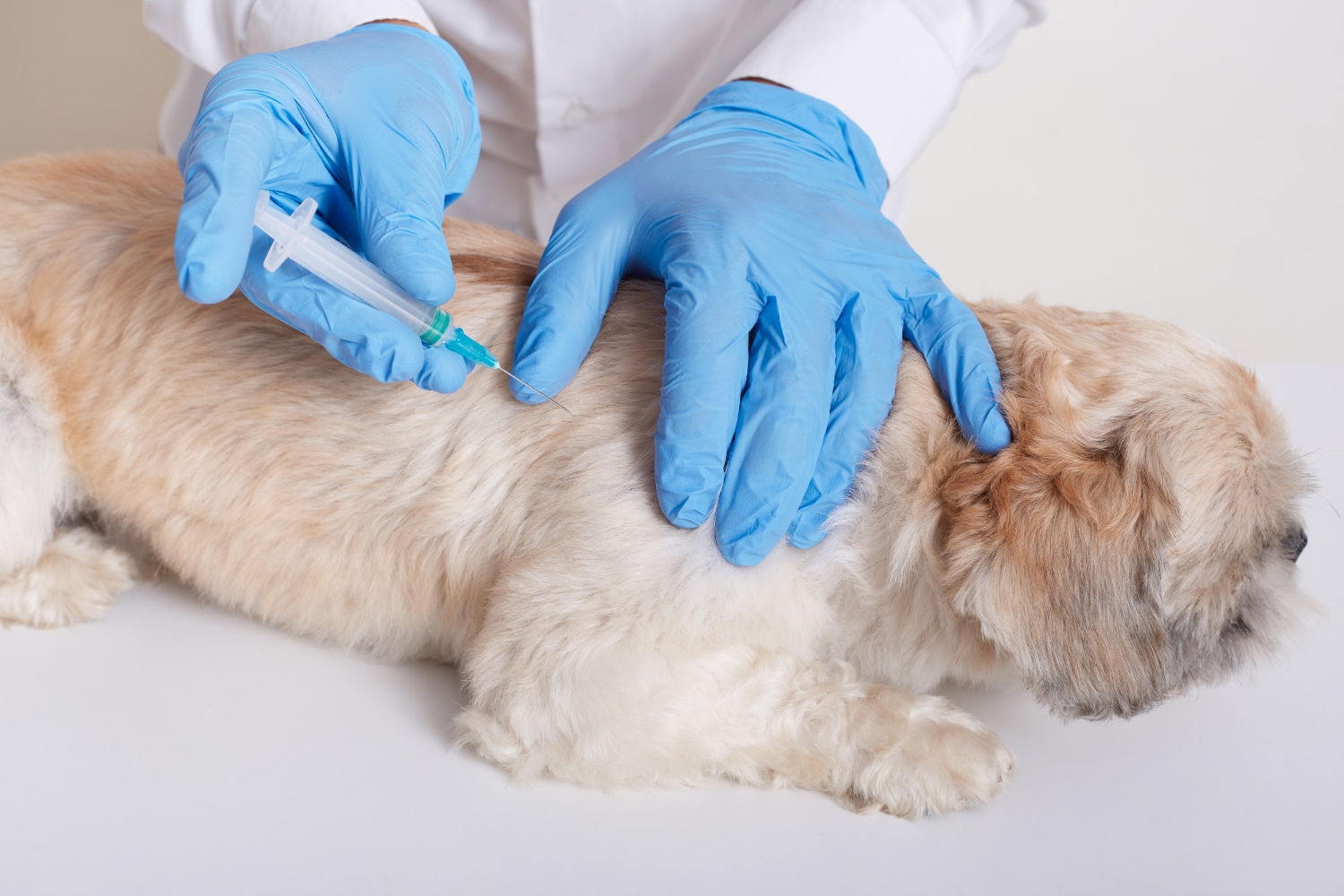
Completing recommended lab tests is one of the core preparation steps for surgery. Your veterinarian may order bloodwork or other diagnostics before anesthesia, and the results help the team plan safely. Ask which tests are being run, what the results showed, and whether anything in the findings changes the plan for the procedure. If you have questions about the purpose of a specific test, the pre-op visit is the right time to ask them.
Bathing and Grooming Before Surgery
It is a good idea to have your four-legged friend bathed or groomed in the week leading up to surgery so they are clean and ready for the procedure. A clean coat and skin make the surgical area easier to prepare, and it gives you one less task to juggle during recovery.
Ask your veterinary team whether a bath is appropriate for your pet and when it should happen. Timing matters, and your veterinarian may have a preference based on the type of procedure scheduled and your pet’s skin or coat condition.
Planning for Recovery Before Surgery Day
Recovery planning belongs on the pre-op checklist, not on the list of things to figure out afterward. Before the procedure, prepare your home for recovery. Set up a quiet space with clean bedding, easy access to water, and limited activity. Doing this a day or two ahead means you are not rearranging furniture while your pet is still groggy from anesthesia.
Setting Up a Recovery Space
- Choose a quiet area away from the busiest parts of the home
- Use a comfortable bed with clean bedding that is easy to wash
- Place water within easy reach so your pet does not have to walk far
- Plan how you will limit activity, including stairs and jumping
- Keep the space calm and consider how other pets in the home will be managed
Expect Drowsiness After Anesthesia
Most pets feel drowsy after a procedure, which is normal. A soft, low-traffic resting spot helps them settle while the anesthesia wears off. Keep the space quiet, check on your pet regularly, and follow any discharge instructions your veterinary team provides about feeding, medication, and activity.
A Simple Pre-Op Checklist
- Confirm the exact fasting time, including whether it covers food only or food and water
- Write out a complete medication and supplement list with doses
- Gather your pet’s medical history and any records from other clinics
- Complete every recommended lab test before the procedure
- Schedule a bath or grooming appointment in the week before surgery
- Set up the recovery space with clean bedding and easy water access
- Confirm drop-off details, contact numbers, and who will pick your pet up
Questions to Ask Your Veterinary Team
Good questions before surgery prevent confusion afterward. Consider asking about the fasting cutoff, which medications to give or skip on the morning of the procedure, what the lab results showed, how much activity is allowed during recovery, and who to call if something concerns you at home. Write the answers down so you are not relying on memory during a stressful day.
Frequently Asked Questions
How long before surgery should my pet stop eating?
Most veterinarians recommend withholding food for roughly 12 hours before surgery, although the timing can change based on your pet’s age and condition. Some pre-surgical guidelines allow a normal meal up to 8 hours before the scheduled procedure. Your veterinarian will give you an exact time, and that instruction should take priority over any general recommendation.
Should I bathe my pet before surgery?
Veterinarians often suggest bathing or grooming your pet in the week leading up to surgery so they are clean and ready for the procedure. Ask your veterinary team first, because the right timing depends on your pet’s condition and the type of surgery planned. Cleaning your pet early also keeps the days right before surgery calm.
What should I have ready at home for recovery?
Set up a quiet space before surgery day. A comfortable bed, clean bedding, easy access to water, and a way to limit activity are the basics. Most pets feel drowsy after anesthesia, so a calm, low-traffic area helps them rest. Keep your veterinary hospital’s phone number within reach in case questions come up.
Why does my pet need lab tests before anesthesia?
Completing recommended lab tests is one of the standard preparation steps for surgery, along with fasting and a medication review. The results give your veterinarian baseline information before anesthesia is administered. Ask your team which tests are planned, what the results showed, and whether anything in the findings changes the approach to the procedure.
What should I tell the veterinary team about medications?
Share a complete list of everything your pet takes, including prescription medications, over-the-counter products, supplements, and preventives. Discussing medications with the veterinary team before surgery is a core part of preparation. Your veterinarian will explain which items to continue, pause, or adjust, and what to do if a dose is given at the wrong time.
Prepare Your Pet for a Safer Surgical Experience
Preparing your pet for surgery does not end with following fasting instructions. Reviewing medications, completing recommended lab work, grooming your pet, and setting up a calm recovery space can make the process easier for both of you. Since every pet and procedure is different, always follow the specific instructions provided by your veterinary team. If your pet is scheduled for surgery or you have questions about pre-op care, contact Wareham Animal Hospital to discuss the preparation steps and care your pet may need before and after the procedure.