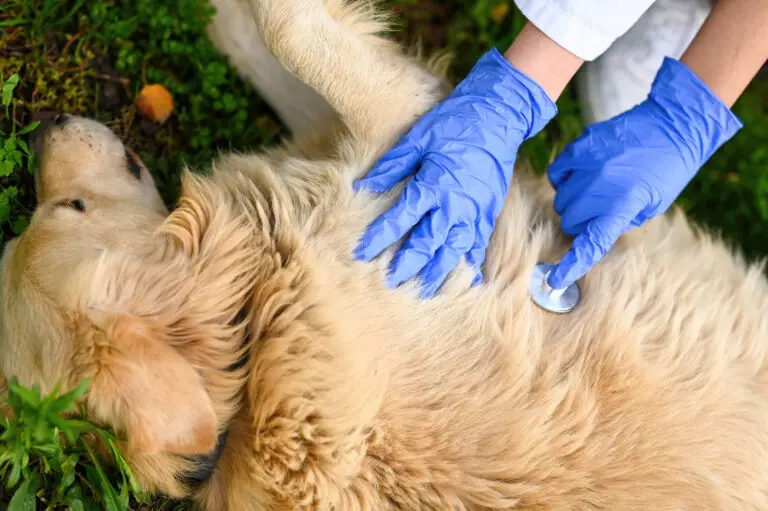

Summer is a time when many of us look forward to longer days, outdoor adventures, and warm sunshine. For our pets, it can also be a season of joy with plenty of playtime outside. However, for some dogs and cats, summer also means the arrival of pollen and other allergens that can trigger uncomfortable allergic reactions. As flowers bloom and grasses grow, pollen levels soar, and pets that love being outside can find themselves suffering from constant itching, sneezing, or irritated skin.
Many pet owners are surprised to learn that summer allergies in animals often show up differently than they do in humans. While people might get watery eyes and runny noses, pets often display skin problems, ear infections, or excessive scratching. The good news is that with a better understanding of pollen allergies and a few preventive steps, you can help your pet stay comfortable and healthy all season long.
This guide will walk you through what summer allergies are, the types of allergens that affect pets, the symptoms to watch for, ways to protect your pets from pollen, treatment options, and how to keep allergies from affecting their long-term health.
Key Takeaways
- Summer pollen can cause skin, ear, eye, and respiratory issues in pets.
- The most common triggers are grass, weed, and tree pollens, along with flea saliva and certain foods.
- Prevention includes limiting outdoor time during peak pollen hours, regular grooming, and improving indoor air quality.
- Treatments can involve medications, topical therapies, nutritional support, and immunotherapy.
- Early diagnosis and consistent care can protect your pet from long-term discomfort.
What Are Summer Allergies in Pets?

Summer allergies in pets are immune system reactions to substances like pollen that are common during warmer months. These allergens can come from grass, weeds, trees, mold, or even dust mites. While allergens are harmless to most animals, in pets with allergies, the immune system overreacts and causes symptoms that range from mild itching to more serious skin and respiratory problems.
The most frequent summer allergens include:
- Grass and weed pollens such as Bermuda grass, Timothy grass, and ragweed.
- Tree pollens from plants in bloom.
- Mold spores thrive in warm, damp environments.
- Dust and dust mites can collect indoors.
In addition to environmental triggers, summer can also worsen flea allergies, as flea populations peak in warmer months. Flea saliva is a powerful allergen and can cause intense itching even from a single bite. Food allergies may also play a role, with common triggers being chicken, beef, wheat, and corn. Contact allergens, like certain shampoos, cleaners, or fabrics, can further aggravate a pet’s skin during summer.
Types of Allergies in Pets
Pets can be affected by different types of allergens, especially during the summer months when pollen levels are at their highest. Understanding these categories helps in identifying triggers and finding the right approach to prevention and treatment.
Environmental Allergens
Grass and weed pollens are major culprits, including Bermuda grass, Timothy grass, and ragweed. These tiny particles can easily settle on your pet’s fur, nose, and paws, irritating when inhaled or touched. Seasonal tree pollens, blooming plants and flowers, mold spores, and household dust mites also contribute to allergic reactions.
Food Allergens
Some pets react to ingredients in their diet, even if they have eaten them for years without trouble. Common food allergens include proteins like chicken and beef, as well as grains like wheat and corn. Food allergies may cause skin problems, gastrointestinal upset, or a combination of both.
Contact Allergens
Direct contact with certain substances can trigger skin irritation. This may include flea saliva, cleaning products, shampoos, perfumes, and specific fabrics. Contact allergies often result in localized redness, itching, or rashes.
Flea Allergies
Flea Allergy Dermatitis (FAD) is one of the most common skin conditions in pets. Even a single flea bite can cause severe itching, hair loss, and skin infections. Summer heat often means higher flea activity, making prevention essential.
By understanding these types of allergies, pet owners can be more proactive in minimizing their pet’s exposure and reducing discomfort during high-risk months.
“Allergies in pets can come from many sources, from the food they eat to the air they breathe. Knowing whether it’s pollen, fleas, or diet helps us target the cause and bring your pet lasting relief.”— Dr. Alberto L. Fernandez
Recognizing the Symptoms
Identifying the signs of summer allergies early can help prevent your pet’s discomfort from escalating. Unlike humans, pets often show allergic reactions through their skin rather than their respiratory system.
Common symptoms include:
- Excessive itching and scratching, especially on paws, belly, and face.
- Skin irritation such as redness, rashes, or bald patches.
- Ear infections may cause redness, odor, or head shaking.
- Watery or red eyes from allergic conjunctivitis.
- Respiratory issues like sneezing or nasal discharge.
Some pets also develop gastrointestinal issues, such as vomiting or diarrhea, if their allergies are related to food. Seasonal allergies may cause recurring problems during certain times of the year, while others may have symptoms year-round. Chronic ear infections, facial discomfort, and ongoing itchy skin are signs that professional help is needed.
How Veterinarians Diagnose Summer Allergies
A proper diagnosis is the first step toward relief. Veterinarians start with a thorough history and physical exam. They will ask about your pet’s environment, diet, and the timeline of symptoms to identify possible triggers.
Diagnostic methods include:
- Intradermal skin testing for environmental allergens.
- Elimination diets to identify food allergies.
- Cytology tests or skin scrapings to rule out infections or parasites.
Accurate diagnosis is essential because allergy symptoms can mimic other conditions. A clear understanding of what is causing the reaction allows for targeted treatment that works effectively.
Prevention and Protection Strategies
While there is no cure for pollen allergies, you can reduce your pet’s exposure and minimize their discomfort.
Reduce Outdoor Exposure:
- Limit time outside during high pollen days.
- Take walks early in the morning or late in the evening when pollen counts are lower.
- Avoid grassy fields during peak bloom seasons.
Maintain Good Grooming Habits:
- Bathe your pet weekly with a gentle, vet-approved shampoo to remove pollen from the coat.
- Wipe paws and fur with pet-safe wipes after outdoor activities.
- Keep fur trimmed to make it easier to spot skin irritation.
Improve Indoor Air Quality:
- Use HEPA filters in your home’s air system.
- Vacuum carpets and furniture regularly with a HEPA-filter vacuum.
- Wash pet bedding and toys frequently in hot water.
These steps help create a safer environment, especially for pets prone to seasonal allergies.
Treatment Options for Summer Allergies
Once a pet has been diagnosed, treatment focuses on controlling symptoms and preventing flare-ups.
Medications:
Antihistamines like cetirizine or loratadine can help reduce itching and sneezing. In more severe cases, medications like Apoquel or Cytopoint may be prescribed to control allergic itch. Short-term corticosteroids may be used for intense flare-ups, but they require careful monitoring due to side effects.
Immunotherapy:
Allergy shots or oral drops can gradually desensitize the immune system to allergens. This approach can take months to show improvement, but offers long-term relief for many pets.
Topical Care:
Medicated shampoos, conditioners, and ointments can soothe irritated skin and prevent infections caused by scratching. Regular ear cleanings are important for pets prone to ear allergies.
Nutritional Support:
Special diets that promote skin health, along with omega-3 fatty acid supplements, can reduce inflammation and make other treatments more effective.
Long-term Effects of Untreated Allergies
If allergies are not treated, they can lead to chronic discomfort, skin infections, ear problems, and respiratory issues. Persistent itching can cause self-inflicted wounds, while long-term inflammation can weaken the skin’s protective barrier. Over time, pets may become more sensitive to allergens, making symptoms harder to control. Allergies can also affect a pet’s mood, leading to irritability, anxiety, or reduced activity levels.
Early intervention prevents these problems and helps your pet maintain a happy, active lifestyle.
Why Choose Wareham Animal Hospital
Wareham Animal Hospital understands that your pet is a beloved member of your family, and their comfort and health matter deeply. Our experienced veterinary team is committed to providing thorough, compassionate care for pets suffering from seasonal allergies. From accurate diagnosis using advanced testing to tailored treatment plans, we ensure each pet receives the attention they need to feel better and stay healthy. Our approach focuses not only on symptom relief but also on prevention, so your pet can enjoy the summer months without constant discomfort. With a combination of medical expertise, state-of-the-art facilities, and a genuine love for animals, we work closely with you to create a plan that supports your pet’s well-being year-round.
The Bottom Line
Summer allergies can be frustrating for pets and their owners, but they do not have to limit your pet’s enjoyment of the season. By recognizing the signs early, taking preventive steps, and working closely with a trusted veterinary team, you can protect your pet from the discomfort of pollen and other allergens. Consistent care and attention can make a significant difference, allowing your furry friend to stay active, happy, and healthy throughout the summer.
Frequently Asked Questions
1. Can pets outgrow summer allergies?
Most pets do not outgrow allergies, but symptoms can be managed effectively with treatment and preventive care.
2. Are pollen allergies dangerous for pets?
While not usually life-threatening, untreated allergies can cause chronic discomfort, skin infections, and other health issues over time.
3. How can I tell if my pet’s symptoms are from pollen or fleas?
A veterinarian can perform tests to determine the cause. Flea allergies often cause itching around the tail base, while pollen allergies usually affect paws, belly, and face.
4. Can changing my pet’s diet help with pollen allergies?
While diet changes mainly help with food allergies, improving nutrition can strengthen your pet’s skin and immune system, making them less reactive to environmental allergens.
5. How often should I bathe my pet during pollen season?
Once a week is usually recommended during high pollen months, but always use a gentle, pet-safe shampoo to avoid drying out the skin.