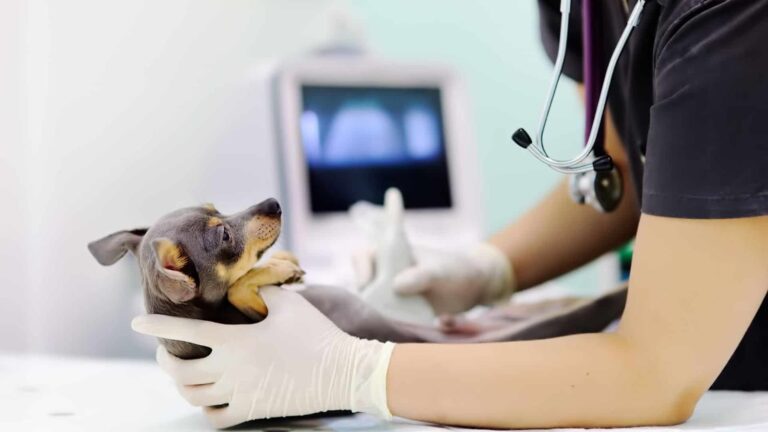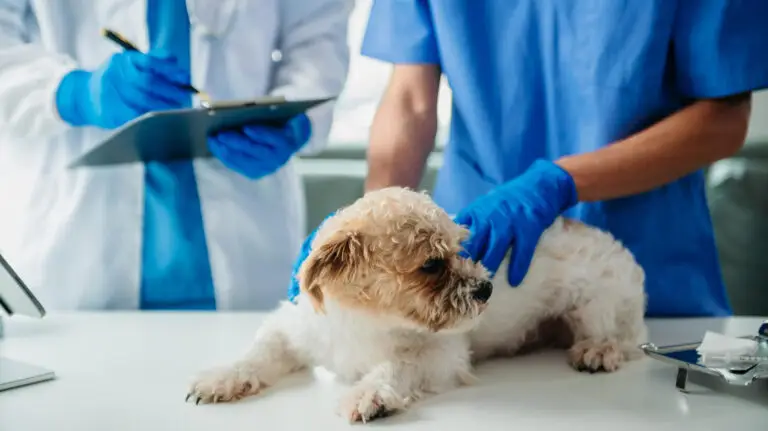

As pet parents, we always strive to give our furry companions the healthiest and happiest lives possible. One topic that’s gained a lot of traction recently is probiotics for pets. With promises of better digestion, improved immunity, and even reduced anxiety, probiotics are popping up in pet aisles and online recommendations more than ever. But are they really the miracle supplement they’re made out to be? Or could there be downsides to consider?
If you’re a dog or cat owner wondering whether probiotics could benefit your pet, this blog offers an in-depth yet straightforward look at their potential upsides, possible risks, and the importance of involving your veterinarian in the decision-making process.
Key Takeaways
- Probiotics are live microorganisms that help maintain a healthy gut in pets.
- Benefits include improved digestion, stronger immunity, and stress relief.
- Consultation with your veterinarian is crucial before introducing probiotics.
What Are Probiotics?

Probiotics are live bacteria and yeasts that support gut health. While “bacteria” might sound alarming, not all bacteria are harmful. Some types are essential for a well-functioning digestive system. These beneficial microorganisms help keep the gut microbiome balanced, assisting in digestion, nutrient absorption, and immune system regulation.
Pets, just like humans, naturally have bacteria in their gastrointestinal tracts. When illness, diet changes, antibiotics, or stress disrupt this balance, probiotics can help restore harmony in the gut.
Benefits of Probiotics for Pets
Improved Digestive Health
One of the most well-known benefits of probiotics is their ability to promote digestive health. Dogs and cats experiencing symptoms such as diarrhea, vomiting, or bloating may find relief with the help of probiotics. These supplements support the replenishment of beneficial gut flora, making it easier for your pet’s body to process food and absorb nutrients.
In studies, up to 72% of cats with chronic digestive issues showed noticeable improvements after taking probiotics. Pets recovering from dietary indiscretions or antibiotic use may also benefit from added probiotic support.
Enhanced Immune Function
Probiotics do more than help with digestion. They also strengthen the immune system by regulating how the body responds to harmful microorganisms. Dogs on probiotic supplements have shown increased levels of beneficial bacteria and enhanced immune responses. These benefits can make a big difference in how well your pet handles everyday infections and illnesses.
Stress and Anxiety Reduction
A healthy gut can also influence your pet’s behavior. The gut and brain are connected by what’s known as the gut-brain axis. When the gut is in good shape, your pet is more likely to feel calm and balanced. Probiotics can help reduce symptoms of anxiety, especially in high-stress situations like boarding, traveling, or visiting the vet.
Allergy and Skin Condition Support
For pets suffering from allergies or skin problems, probiotics might offer some relief. They can help regulate the immune system and reduce reactions to allergens. Improved gut health can translate to fewer flare-ups, less itching, and overall better skin condition.
Support for Chronic Health Conditions
In more complex medical cases, such as inflammatory bowel disease or urinary tract infections, probiotics may serve as part of a comprehensive treatment plan. These conditions often require long-term management, and probiotics can assist by reducing inflammation and promoting gut stability. They’re even being explored as alternatives to antibiotics, helping to control harmful microbes without upsetting the entire digestive system.
“I’ve seen how the right probiotics can make a real difference for pets. They help with digestion, calm their tummies, and just make them feel better overall. It is always about finding what works best for each pet.” — Dr. Alberto L. Fernandez, Wareham Animal Hospital
Risks and Considerations: A Closer Look
Possible Side Effects
Although probiotics are generally safe, they can cause side effects, especially if introduced too quickly or given in high doses. Some pets may experience gas, constipation, or diarrhea as their digestive systems adjust. Most of these issues are short-lived, but it’s important to monitor your pet during this period.
Increased production of certain fatty acids in the gut may lead to loose stools in some dogs. Other symptoms, such as temporary loss of appetite or mild nausea, may occur but usually resolve without intervention.
Allergic Reactions
Allergies to probiotics are rare, but they can happen. Symptoms might include itching, redness, or swelling. If you notice any unusual reactions after starting your pet on a probiotic, stop the supplement immediately and consult your vet. The inactive ingredients in some probiotic formulas may be the culprit, so it’s crucial to review the ingredient list with your veterinarian.
Who Should Avoid Probiotics?
Not every pet is the right fit for probiotics. If your pet is very ill, recovering from surgery, or has a weakened immune system, introducing live bacteria might actually do more harm than good. This is why it’s so important to talk with your veterinarian first. They can take a close look at your pet’s overall health and help you decide if probiotics are a safe and helpful option.
It’s also important to consider any medications your pet may be taking. Antibiotics and antifungal medications can reduce the effectiveness of probiotics by wiping out both the harmful and beneficial bacteria in the gut. Timing and dosage really matter here, and your vet can guide you on how to balance both. Just as important is the quality of the probiotic itself. Some products may not contain the strains they claim or might lose their strength before you even open the bottle. Choosing a supplement that’s made with veterinary guidance, tested by a third party, and produced in a high-quality facility can make all the difference in how well it works for your pet.
Veterinary Guidance is Crucial
Personal Recommendations
Each pet is different, and what works for one might not work for another. Your veterinarian can provide a personalized recommendation based on your pet’s health history, diet, and current medications. They can also guide you on the correct dosage and monitor your pet’s response to the supplement.
Monitor for Reactions
Even with a vet’s guidance, it’s important to observe your pet closely when starting a new probiotic. Signs like vomiting, decreased appetite, or unusual behavior should be reported right away. Your vet might suggest adjusting the dosage or switching to a different strain if needed.
Supplements Should Not Replace Nutrition
While probiotics can help manage certain health issues, they aren’t a substitute for a balanced diet. Good nutrition should always come first. Supplements like probiotics are meant to support, not replace, essential nutrients and healthy eating habits.
Product Selection Tips
To choose a good probiotic, look for products designed specifically for pets. Human probiotics may not be appropriate or effective. Also, verify that the supplement lists the strains of bacteria used and the number of colony-forming units (CFUs). Products that have undergone third-party testing provide added assurance of quality.
Why Choose Us at Wareham Animal Hospital
At Wareham Animal Hospital, we don’t just offer recommendations; we offer compassionate care and science-based guidance customized to your pet’s individual needs. Our team takes the time to understand your pet’s health history, current concerns, and lifestyle to provide probiotic suggestions that make sense for you and your furry friend. We believe that every treatment decision should be made with thoughtfulness, clarity, and a genuine interest in your pet’s long-term well-being. We’re here to support you with honest advice, thorough follow-ups, and a warm, community-driven approach to veterinary care. Contact us today and experience the difference in your pet’s health.
The Bottom Line
Probiotics have a lot to offer when it comes to supporting your pet’s digestive health, immune function, and emotional well-being. But they aren’t a one-size-fits-all solution. Consulting your veterinarian ensures you make informed choices personalized to your pet’s unique needs. By selecting quality products, introducing them with care, and monitoring closely, you can give your pet the best chance at reaping the full benefits while minimizing any risks.
Learn more about your pet’s health by reading our blogs here.
Frequently Asked Questions
1. Can I give my pet human probiotics?
Human probiotics are not formulated for pets and may not be effective or safe. Always use supplements specifically designed for pets and consult your veterinarian first.
2. How long does it take for probiotics to work in pets?
Some pets may show improvement within a few days, while others might take several weeks. Consistency and correct dosage are key factors in seeing results.
3. Are there any natural sources of probiotics for pets?
Yes, some natural foods like plain yogurt or kefir (without added sugar) can be sources of probiotics, but they should only be given in moderation and with your vet’s approval.
4. What signs should I watch for when starting my pet on probiotics?
Monitor for digestive changes like gas, diarrhea, or constipation. Also, look for behavioral changes or signs of allergies like itching or swelling. Report anything unusual to your vet.
5. Do older pets benefit from probiotics?
Yes, senior pets often benefit from probiotics, especially if they experience digestive issues, weakened immunity, or age-related stress. Vet guidance is especially important for older animals.