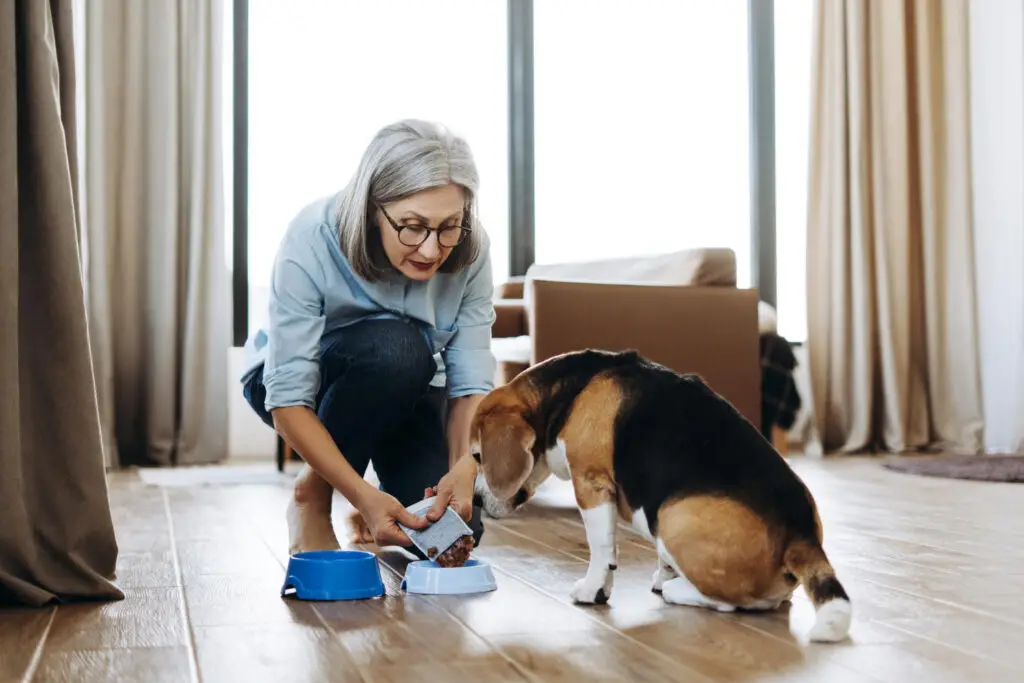
Pets do not stay young forever, and their nutritional needs change as the years pass. A diet that supported a dog or cat through adulthood may no longer fit once the body slows down, muscles thin out, or a health condition appears. Senior pet nutrition is the practice of adjusting food and feeding routines to match these changes. The goal is simple: help an aging pet stay strong, comfortable, and at a healthy weight for as long as possible.
Why Senior Pets Need a Different Approach
Senior pets face unique challenges, including slower metabolisms, decreased activity levels, and age-related health conditions. These changes require thoughtful dietary adjustments to maintain quality of life. What was appropriate during the active adult years is not automatically appropriate for the later stage of life, and waiting until a problem becomes severe can make recovery harder.
Commercial senior diets are not interchangeable. In fact, there is a huge range of levels of key nutrients, such as protein, phosphorus, sodium, and fat, in commercial senior diets. One formula may provide generous protein, while another offers far less. Sodium and phosphorus also vary considerably, and both are relevant to aging kidneys and hearts. Pet owners should evaluate what a specific food contains rather than assuming a senior label means the same thing across brands.
Because the aging process varies from pet to pet, there is no single senior diet that works for every animal. Some pets enter their senior years with excellent muscle tone and stable weight, while others develop conditions that change their nutritional requirements quickly. Regular monitoring is essential in either case.
Physical Changes That Shape Nutritional Needs
Aging changes the way the body uses food. Metabolism slows, so many older pets need fewer calories. Activity level typically drops as well, lowering daily energy requirements further. Meanwhile, the digestive system may absorb nutrients less efficiently, which means the quality of those nutrients becomes more important.
Studies on aging dogs and cats continue to clarify how the digestive tract responds over time. In one study, dogs between 6 and 12 years showed improved digestibility of crude protein, total dietary fiber, calcium, and phosphorus when fed a specific modified diet. The finding suggests that food composition, not just portion size, has a measurable effect on how well an aging body extracts the nutrition it needs.
Lean muscle preservation is one of the biggest concerns in senior pets. If the dog is losing lean body mass, then a diet higher in protein may be necessary. Protein is necessary to build and maintain muscles, and an older pet that does not receive enough can gradually lose strength, mobility, and condition.
Key Nutrients to Focus On for Senior Pets
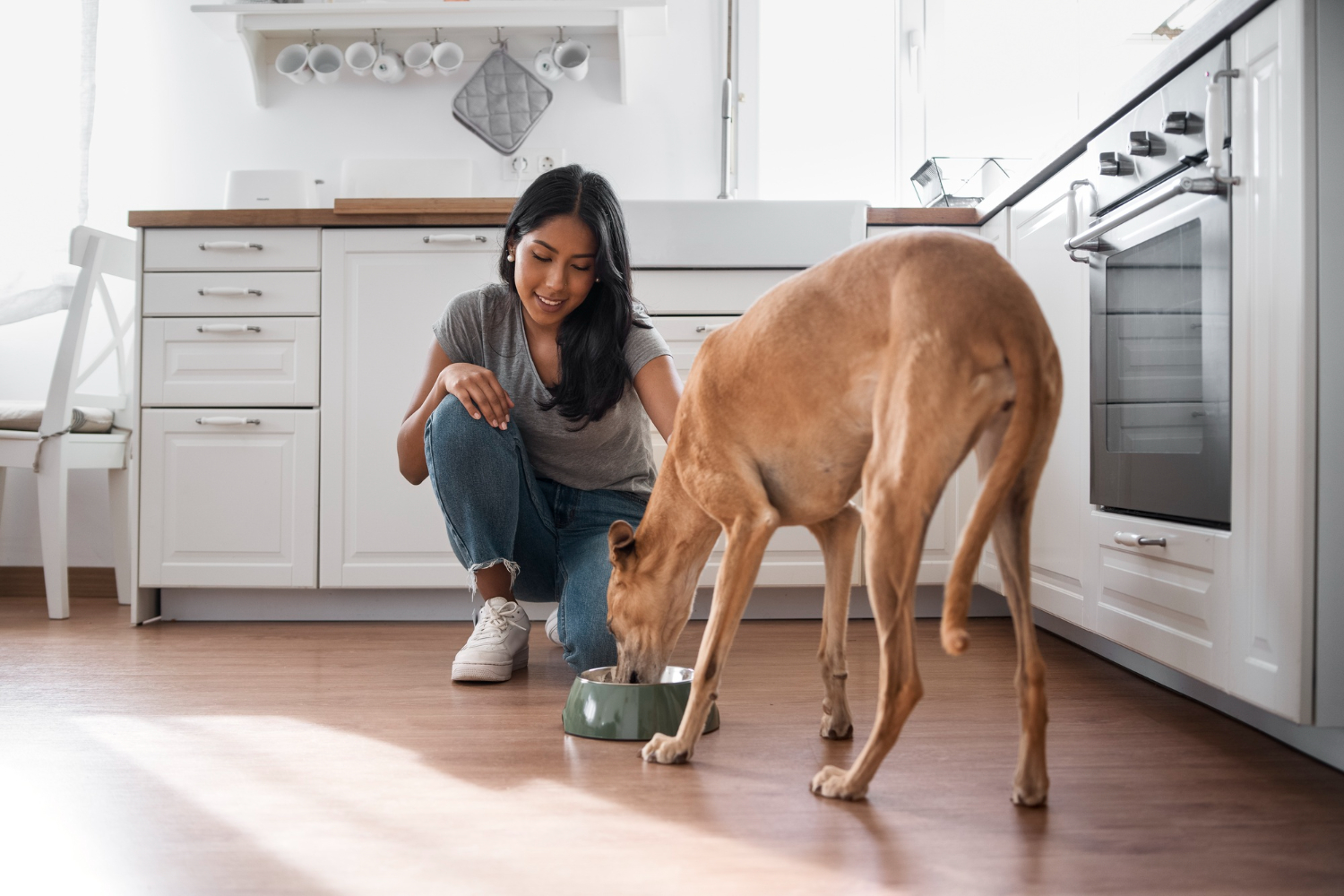
The ideal senior diet depends on the individual pet, but several nutrients deserve special attention when evaluating any food label.
Protein
Senior dogs require a high-quality, easily digestible protein source. Older pets often benefit from diets that are lower in calories but rich in easily digestible protein to maintain muscle mass. When calorie intake drops, the protein level of the diet becomes even more important, because the body still needs enough building material to preserve lean tissue.
Calories and Fat
Senior pet foods are typically formulated with fewer calories per cup while maintaining essential nutrients. Many senior pets benefit from this approach, especially when activity has declined. Feeding a senior dog food that is lower in calories and fat while providing increased levels of protein and antioxidants may help keep your dog in ideal body condition.
Fiber
Dietary fiber supports regular digestion and can also influence how other nutrients are absorbed. Research in aging dogs has shown that digestibility of crude protein, calcium, and phosphorus can shift with dietary fiber content, so this nutrient deserves attention when choosing a senior food. Balanced fiber levels help a reduced-calorie diet stay satisfying without interfering with nutrient absorption.
Antioxidants and Vitamins
Older pets often need more than basic calorie control. Vitamins such as E and C are also important for senior pets, and antioxidants are frequently included in senior formulas. These nutrients support the aging body’s natural defenses and pair well with a diet designed to protect muscle and maintain ideal body condition.
Omega Fatty Acids
Omega-3 and omega-6 fatty acids are common components of senior diets. Ingredients such as omega-3 fatty acids are valued for their effects on joints, skin, and coat, all of which can be affected by aging. Fatty acids also help a lower-calorie diet remain palatable and nutritionally complete.
Minerals
Minerals must be kept in balance for aging pets. Phosphorus and sodium deserve particular attention because levels vary widely among commercial senior diets and both are relevant to kidney and heart health. Many senior formulas are designed with balanced minerals to support these systems, which is one reason a targeted senior food can be helpful for pets with early organ changes.
Do Senior Diets Really Make a Difference?
The answer depends on the pet. There is no universal reason to switch an aging dog to a senior diet unless specific concerns arise, such as muscle loss, arthritis, or obesity. For a healthy older dog that maintains good muscle condition and a stable weight, a complete adult maintenance diet may be perfectly adequate.
Advice about feeding older dogs can be conflicting, and much of the available information is influenced by pet food marketing. A senior formula is most useful when its nutrient profile matches the pet’s individual needs. That is why the decision to switch to senior food should be based on the dog’s health, body condition, and nutritional needs rather than age alone.
Signs It May Be Time to Adjust the Diet
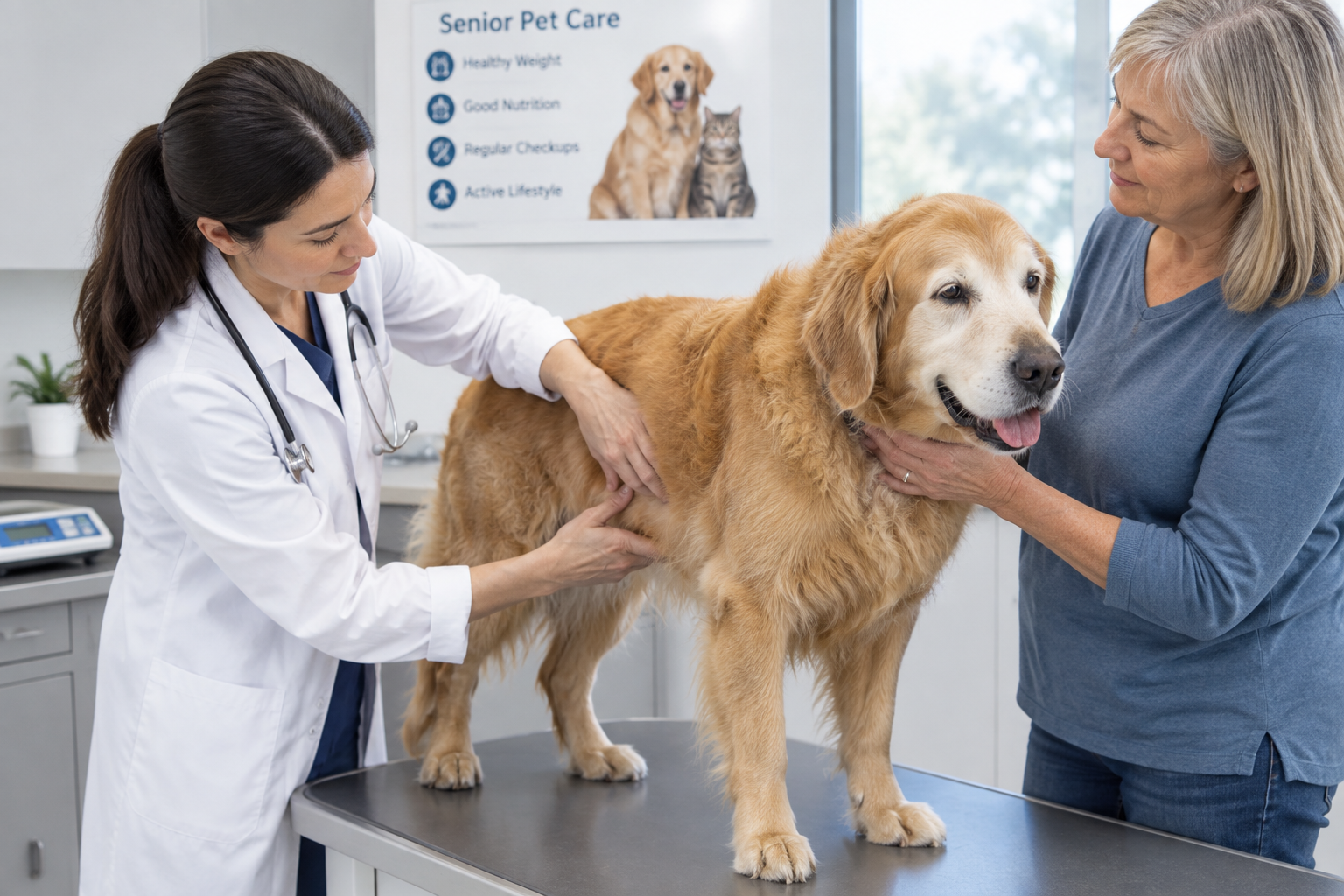
A senior pet that is gaining weight despite normal portions may be receiving too many calories for its current activity level. A pet that is losing muscle along the spine or hind legs may need more protein. Stiffness from arthritis, reluctance to move, or weight gain around the midsection can also signal that nutrition should be reviewed. These signs do not automatically mean a senior formula is required, but they are good reasons to schedule a veterinary visit and discuss diet.
Healthy Treats and Weight Management
Extra treats can quietly undo the benefits of a well-chosen senior diet. Water-based vegetables, like fresh or frozen green beans, carrots, cucumbers, broccoli, and lettuce, are very low in calories and make good choices for senior pets. They add moisture and crunch without pushing daily calorie intake too high, making them a practical option for pets that need to maintain or lose weight.
Building a Senior Nutrition Plan With Your Veterinarian
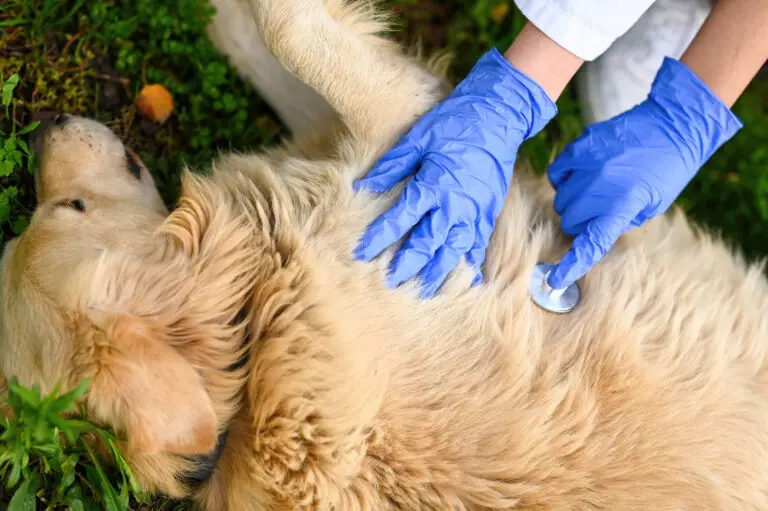
Proper nutrition lays the foundation for healthy aging in pets. A veterinarian can assess your pet’s body condition, muscle mass, and activity level, then recommend a diet that addresses the specific challenges of this life stage. Because every senior pet is different, the most effective nutrition plan is a personalized one.
Regular veterinary visits also help catch problems early. When a diet change is needed, your veterinary team can help you transition safely and monitor the results. Senior pet nutrition is not a one-time decision; it is an ongoing part of helping your pet age with comfort and confidence.
Frequently Asked Questions
Here are answers to several common questions about feeding older pets.
Does senior dog food really make a difference?
Senior pet foods are typically formulated with fewer calories per cup while maintaining essential nutrients, and many senior pets may benefit from this approach. However, nutrient levels can vary widely among commercial senior diets. A senior diet may not be necessary unless your dog has a specific concern, such as lean body wasting, arthritis, or obesity. Your veterinarian can help determine whether a senior formula is appropriate for your pet.
Should senior pets eat fewer calories?
Many senior pets benefit from diets that are lower in calories but rich in essential nutrients. Aging pets often have slower metabolisms and reduced activity levels, so their daily energy needs may decline. At the same time, protein needs may increase if your pet is losing lean body mass. Since portion changes can easily go too far in either direction, your veterinarian can help determine the appropriate calorie intake based on your pet’s body condition.
What treats are safe for a senior pet?
Water-rich vegetables, such as fresh or frozen green beans, carrots, cucumbers, broccoli, and lettuce, are generally low in calories and can make suitable treats for senior pets. These foods can add moisture and variety without contributing excessive calories. Because every pet has different health needs, ask your veterinarian which treats best fit your pet’s overall nutrition plan.
When should I switch my pet to a senior diet?
There is no single age that applies to every pet. A senior diet may be helpful when an aging pet develops specific concerns, such as lean body loss, arthritis, or obesity. For pets with these conditions, adjusting protein, calories, and other nutrients may support their overall health and quality of life. Schedule a veterinary evaluation before making a dietary change so your pet’s individual nutritional needs can be considered.
Conclusion
Senior pet nutrition is not about choosing a food simply because it says “senior” on the label. Your pet’s age, body condition, muscle mass, activity level, and overall health should all be considered when deciding what to feed them. Regular veterinary evaluations can help identify changing nutritional needs and make timely adjustments to the diet.
If you are unsure whether your aging pet needs a different diet, Wareham Animal Hospital can help. Schedule a veterinary appointment to discuss your pet’s nutrition, weight, and health needs and create a personalized plan to support healthier, more comfortable aging.