
An older pet’s slower pace is easy to accept as a normal part of growing older. In many cases it is. But common senior pet health issues such as arthritis, kidney disease, and heart problems often begin quietly, and those subtle changes are exactly what owners should not overlook.
Senior dogs and cats share many of the same age-related challenges. Cancer, heart disease, kidney and liver disease, diabetes, arthritis, and vision or hearing loss top the list for dogs, while senior cats frequently face kidney disease, vision problems, and hearing loss. Understanding what can go wrong is the first step toward helping a beloved pet age comfortably.
Why Senior Pets Need Extra Attention
Aging affects nearly every system in the body. Senior pets experience decreased immune function, a slower metabolism, and natural wear and tear on organs. Joints begin to degenerate, and sensory functions weaken over time. What makes this stage of life complicated is that many age-related illnesses begin with subtle symptoms that a pet parent might mistake for simple slowing down.
Arthritis, heart disease, kidney dysfunction, and cognitive decline can all present with quiet changes that mirror natural aging. The encouraging news is that these conditions often respond well to treatment when they are identified. Because pets age faster than people, a three-year-old pet is roughly equivalent to a thirty-year-old person. Health changes can therefore move quickly, and routine veterinary checkups become more valuable as pets grow older.
Arthritis and Joint Pain
Osteoarthritis is the most common condition seen in senior dogs, and arthritis is one of the most common conditions among older pets overall. Large-breed dogs are especially prone to joint problems. Ongoing joint degeneration makes movement painful, so affected pets may hesitate to jump, climb stairs, or join walks they once loved.
Pets cannot tell us where it hurts, so owners should watch for stiffness after rest, reduced activity, or a reluctance to be touched in certain areas. Arthritis symptoms can be subtle at first and easy to write off as a normal part of getting older. Treatment plans for arthritis focus on comfort and mobility, and with a veterinarian’s help, many pets continue to move well for years.
Dental Disease
Dental disease is one of the two most common health conditions in senior dogs. The mouth is easy to overlook because pets rarely complain, but dental problems cause real discomfort and can affect overall health. Tartar, inflamed gums, and loose or infected teeth make eating painful and allow bacteria to spread through the body.
Senior pets with dental disease may drop food, chew on one side of the mouth, or develop a stronger odor. Regular examination of the teeth and gums should be part of every senior wellness plan. Addressing dental issues early helps protect comfort and supports whole-body health, since the health of the mouth is connected to so many other systems.
Kidney and Liver Disease
Kidney disease is a common problem in both senior dogs and senior cats. The kidneys filter waste from the bloodstream, and when they lose function, toxins build up gradually. Early signs can be subtle, such as drinking more water or urinating more frequently, which owners may dismiss as harmless changes. Liver disease also ranks among the common health issues in aging dogs, and it can present with similarly mild symptoms.
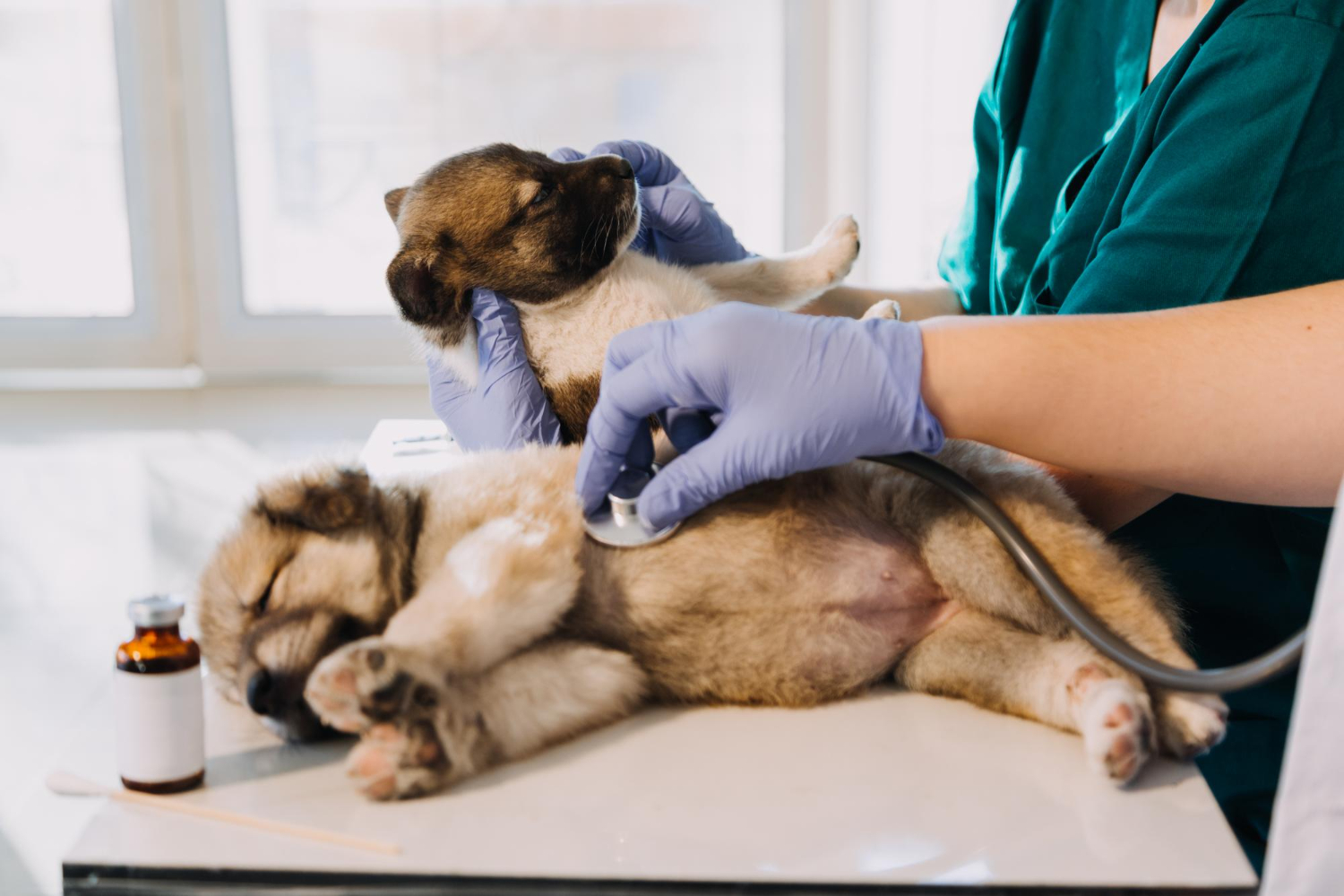
Because the early signs of kidney and liver disease are easy to miss, routine blood work is an important part of senior pet care. Blood tests can reveal changes long before outward signs appear. When kidney or liver disease is caught early, treatment and dietary adjustments can slow its progress and preserve a better quality of life.
Heart Disease
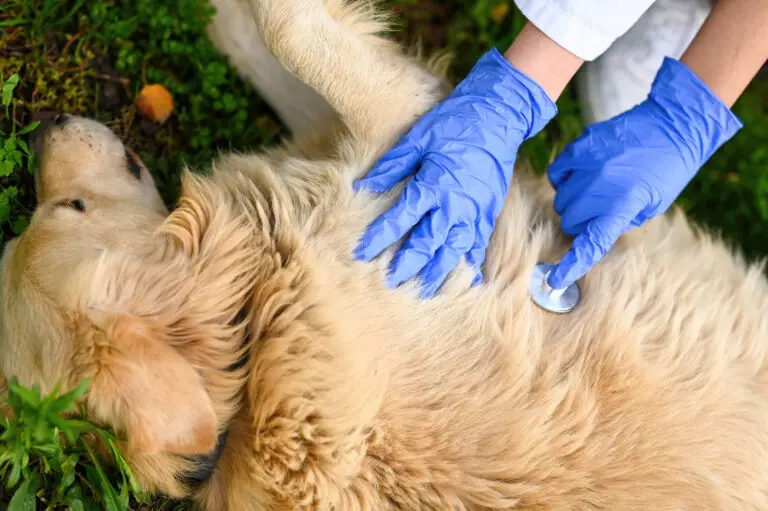
Heart disease is another common diagnosis in senior dogs. As the heart ages, its ability to pump efficiently can decline, leading to changes in circulation and fluid buildup. The symptoms may be subtle at first, including reduced stamina, a soft cough, or heavier breathing after mild activity.
Many owners assume an older dog is simply slowing down when the real problem is the heart. Heart disease responds much better when it is detected early. A veterinarian can listen for murmurs or rhythm changes during routine examinations and recommend further testing if something seems off. With appropriate management, many senior pets with heart disease remain stable and comfortable for a long time.
Cancer
Cancer is one of the most common health issues in senior dogs. The risk rises with age, and the disease can appear in many different forms, from skin masses to internal tumors. Because senior dogs often have other conditions at the same time, cancer can be harder to recognize without regular examinations.
Lumps that grow or change, unexplained weight loss, and shifts in appetite or energy all warrant a veterinary visit. With so many possible presentations, routine physical exams are one of the best tools for catching cancer early. Finding a tumor or other concerning change promptly opens up more treatment options and can have a meaningful impact on the outcome.
Vision and Hearing Loss
Sensory decline is common in older pets. Vision problems frequently appear in aging dogs and cats, and hearing loss is a familiar issue for both species as well. A pet with failing vision may bump into furniture, seem startled by movement, or become hesitant in unfamiliar places. A pet with hearing loss may stop responding to calls, sleep more soundly, or appear confused.
These changes can be managed. Keeping furniture in familiar places, using hand signals alongside spoken commands, and approaching a deaf pet gently from the front all help. Owners who notice sudden vision or hearing changes should have their pet examined, since some causes of sensory decline are treatable.
Cognitive Dysfunction Syndrome
Cognitive Dysfunction Syndrome, also known as CDS, is a common concern in senior dogs. It resembles age-related cognitive decline in people and affects memory, learning, and awareness. A dog with CDS may pace, stare at walls, get lost in familiar rooms, or forget previously reliable house training.
These behavioral changes can be distressing for owners who assume the pet is simply acting strange. The symptoms may look like stubbornness or normal aging, but cognitive decline is a medical condition. While there is no cure, cognitive issues often respond well to treatment and management strategies. Reporting behavior changes to a veterinarian is an important step in supporting an aging pet’s quality of life.

Diabetes and Other Metabolic Changes
Diabetes appears on the list of common health issues in senior dogs, and hormonal imbalances are also part of the aging picture. These conditions can produce changes in appetite, thirst, weight, and energy that owners may notice at home. Weight changes are among the most common concerns for senior pets in general.
As metabolism slows, some pets gain weight, while others lose weight as chronic disease takes a toll. Sudden weight loss or gain should always be discussed with a veterinarian, because it can point to underlying conditions such as kidney disease, diabetes, or cancer. Routine veterinary visits, including blood work, are the most reliable way to identify these problems early, when they are often easier to manage.
Supporting a Senior Pet at Home
Owners play a central role in helping older pets stay comfortable. Small home adjustments, such as providing orthopedic bedding, can ease joint pain and make rest more restorative. Keeping daily routines steady, monitoring food and water intake, and noting any unusual behaviors all help owners spot problems before they become serious.
Routine examinations remain the foundation of senior care. The symptoms of arthritis, heart disease, kidney dysfunction, and cognitive decline are subtle and mirror natural aging, yet they respond well to treatment when recognized. A veterinarian can create a plan tailored to a pet’s specific conditions, which makes a meaningful difference in the senior years.
Frequently Asked Questions
How do I know whether changes in my senior pet are normal aging or illness?
Many age-related illnesses begin with subtle symptoms that look like natural slowing down. Reduced activity, stiffness, changes in appetite, and altered sleep patterns can all signal an underlying condition. Your veterinarian is the best person to make that call. Routine examinations and blood work can identify problems early, when they often respond well to treatment.
What are the most common health issues in senior dogs?
The list includes cancer, heart disease, kidney and liver disease, diabetes, arthritis, and vision or hearing loss. Osteoarthritis is the most common condition in senior dogs, and dental disease is close behind. Cognitive dysfunction syndrome is also a frequent concern. Because some conditions produce few symptoms at first, regular veterinary examinations are important for early detection.
Do senior cats develop the same diseases as senior dogs?
Senior cats share many of the health challenges seen in older dogs. Kidney disease is common in both species, and vision problems and hearing loss also affect aging cats. Because cats tend to hide illness, changes may go unnoticed until they become more advanced. Veterinary examinations help catch these common senior pet health issues while they are still manageable.
Can arthritis in senior pets be treated?
Yes. Arthritis and osteoarthritis are common in older pets, and treatment focuses on comfort, mobility, and quality of life. The symptoms of arthritis often respond well to veterinary care, especially when the condition is diagnosed early. Owners can support treatment with simple home adjustments such as orthopedic bedding, giving an older pet a softer, more supportive place to rest.
Help Your Senior Pet Enjoy a Healthier, More Comfortable Life
Aging does not mean your dog or cat must live with pain or declining health. Early recognition of arthritis, dental disease, kidney problems, heart disease, diabetes, and cognitive changes can improve treatment outcomes. Watch for changes in appetite, weight, mobility, thirst, behavior, or daily routines. Regular senior wellness exams and diagnostic testing help identify concerns early and support personalized care. Contact Wareham Animal Hospital to discuss your pet’s needs and help them remain comfortable, active, and happy throughout their golden years.