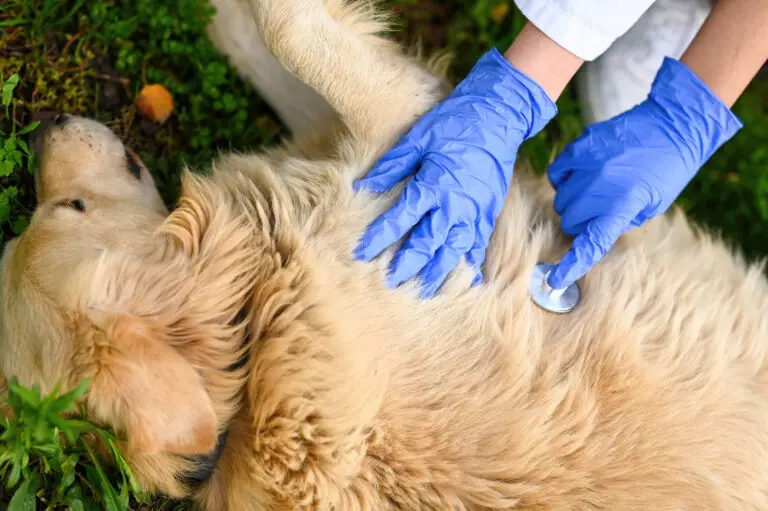

Pet obesity has quietly grown into one of the most common and serious health concerns among companion animals.
According to the Association for Pet Obesity Prevention, more than 50% of dogs and cats in the United States are overweight or obese. This means millions of beloved pets face preventable health risks every day. While many owners think a few extra pounds might be harmless, the reality is much different. Extra weight can shorten life expectancy, decrease mobility, and increase the likelihood of long-term health conditions such as diabetes, arthritis, and heart disease.
As pet owners, we all want our furry companions to enjoy long, active, and happy lives. Managing obesity is one of the most impactful steps we can take to protect our well-being. It begins with awareness, continues with education, and succeeds with consistent action.
In this blog, we will explore what pet obesity really is, the main causes behind it, the health problems it creates, and the strategies that make the most difference in helping pets achieve and maintain a healthy weight.
Key Takeaways
- Over half of U.S. pets are overweight or obese.
- Extra weight increases risks of diabetes, heart disease, breathing problems, joint issues, and some cancers.
- Common causes include overfeeding, limited exercise, genetics, and lifestyle habits.
- Management focuses on balanced nutrition, daily activity, and consistent monitoring.
- Prevention with regular vet visits, portion control, and enrichment is more effective than treatment later.
What is Pet Obesity?

Pet obesity occurs when an animal carries excess body fat beyond its ideal weight. Veterinarians often measure this using a Body Condition Score (BCS), which ranges from 1 to 9. A score of 4 to 5 indicates a healthy weight, while higher numbers reflect overweight or obese conditions. Obesity develops when calorie intake consistently exceeds energy expenditure. Over time, this imbalance leads to fat accumulation, which affects organs, joints, and overall physical function.
It is important to understand that obesity is not just a cosmetic issue. Unlike humans, who may associate weight with appearance, pets do not recognize their size in the same way. Instead, obesity in pets is a direct health threat. It affects how they move, breathe, and interact with their environment. It also influences their behavior, sometimes leading to irritability, lethargy, or decreased interest in play.
Causes of Pet Obesity
Obesity rarely happens overnight. It develops gradually due to a combination of factors that often go unnoticed. Let’s look at the most common causes.
Overfeeding
Many pet owners unintentionally overfeed their pets. Misjudging portion sizes, offering table scraps, or giving too many calorie-rich treats adds up quickly. Free-feeding, where food is left available throughout the day, often leads to overeating. Begging behavior is another trap, as owners may mistake it for hunger when it is actually a learned habit.
Lack of Exercise
Modern lifestyles often limit pets’ opportunities for movement. Dogs may get fewer walks if owners are busy, and indoor cats may lack stimulation that encourages activity. Without regular play and exercise, calories are not burned, and weight increases.
Genetic Predisposition
Some breeds are more likely to gain weight than others. For example, Labrador Retrievers, Beagles, and Dachshunds are genetically inclined to store fat. When combined with feeding mistakes or limited activity, these breeds can become overweight quickly.
Age and Health Conditions
Older pets tend to have slower metabolisms and reduced energy levels. Conditions like hypothyroidism can also contribute to weight gain. As pets age, careful monitoring of their diet and exercise becomes even more important.
Environmental and Societal Influences
The rise of convenient, high-calorie pet foods and treats has contributed to obesity. Marketing often emphasizes indulgence instead of health. Urban living can also limit outdoor activity, leaving pets without enough space to run and play.
Signs and Symptoms of Pet Obesity
Recognizing obesity early can make weight management more effective. Pet owners should look for both physical and behavioral signs.
Physical Signs
- Lack of a visible waistline.
- Difficulty feeling ribs through layers of fat.
- Noticeable weight gain or round body shape.
- Reduced stamina or reluctance to move.
- Breathing problems after light activity.
Behavioral Signs
- Decreased interest in play or walks.
- Increased irritability or frustration.
- Lethargy or frequent resting.
Veterinarians can confirm weight status using a Body Condition Score. Routine monitoring helps detect obesity before it becomes severe.
“I’ve seen how extra weight quietly changes how pets feel and behave. Often, they slow down, lose their spark, and even breathing can become a struggle. Spotting those early signs gives us a chance to help them feel like themselves again.”— Dr. Alberto L. Fernandez, DVM
Health Implications of Obesity
Obesity does more than reduce a pet’s energy levels. It creates serious, long-term health risks.
Diabetes and Metabolic Disorders
Obese pets are more likely to develop diabetes, particularly cats. Diabetes interferes with insulin function and can cause complications like cataracts, infections, and nerve issues.
Cardiovascular Disease
Carrying extra weight increases the strain on the heart. This can lead to high blood pressure, heart disease, or heart failure.
Respiratory Problems
Obese pets may struggle to breathe comfortably. Breathing difficulties are especially noticeable in short-nosed breeds like Bulldogs or Pugs, where excess fat compounds airway restrictions.
Joint and Bone Issues
Added weight puts stress on joints and bones, leading to arthritis and decreased mobility. Larger breeds may develop musculoskeletal problems earlier if overweight.
Increased Risk of Cancer
Research suggests obesity may increase the risk of certain cancers. Fat tissue can influence hormones and inflammatory responses, contributing to disease development.
Lower Quality of Life
Beyond specific conditions, obesity limits a pet’s quality of life. Overweight pets may find it harder to enjoy daily activities, leading to frustration for both them and their owners.
Management Strategies for Pet Obesity
Helping pets lose weight and stay healthy requires a structured approach that combines diet, exercise, and behavior changes.
Customized Diet Plans
Weight management begins with nutrition. A veterinarian can recommend diet options that support weight loss while keeping pets satisfied. Key strategies include:
- Feeding the correct portion sizes.
- Choosing food formulas with higher protein and fiber to promote satiety.
- Reducing high-calorie treats and replacing them with healthier options like baby carrots or green beans.
Exercise and Activity
Activity is essential for burning calories and maintaining muscle mass. Depending on the pet, strategies can include:
- Daily walks, with gradual increases in duration and intensity.
- Fetch, tug-of-war, or agility exercises for dogs.
- Interactive toys or climbing structures for cats.
- Indoor activities for urban pets, like chasing laser pointers or engaging puzzle toys.
Behavioral Adjustments
Changing routines can support better weight management. Establish set feeding times instead of free-feeding. Use rewards like affection or playtime instead of treats. Encourage activity by creating stimulating environments.
Monitoring and Progress Checks
Weight loss should be steady and controlled. Ideally, pets should lose about 1 to 2 percent of their body weight per week. Regular check-ins with a veterinarian help adjust plans and ensure safe progress.
Preventive Measures
Prevention is the best approach to pet obesity, and building healthy habits early makes long-term management much easier. Regular veterinary check-ups play an important role, as they help track weight trends and catch concerns before they become serious. Portion control is equally essential, since accurately measuring food prevents overeating and supports steady nutrition.
A balanced diet that matches your pet’s age, breed, and activity level should go hand in hand with daily exercise, whether it’s walks, playtime, or interactive activities. Mental enrichment, such as puzzle toys or engaging games, helps prevent boredom that can lead to unnecessary snacking. Regular monitoring at home, including routine weigh-ins, gives owners a clear picture of their pet’s progress and ensures adjustments can be made when needed.
Why Choose Wareham Animal Hospital?
Wareham Animal Hospital understands that every pet is unique, and so are their health needs. Our team is committed to providing compassionate, individualized care that supports your pet’s journey toward better health. Whether it is developing a tailored weight management plan, performing routine check-ups, or offering guidance on nutrition and exercise, we work closely with pet owners to create lasting results.
Our experienced staff combines medical expertise with genuine dedication, ensuring that your pets receive the attention they deserve in a welcoming and supportive environment. When you choose us, you are choosing partners who care deeply about helping your pet live a healthier and happier life.
The Bottom Line
Pet obesity is a widespread but manageable issue. By recognizing the causes, addressing unhealthy habits, and committing to long-term strategies, pet owners can make a life-changing difference for their companions. Weight management not only reduces health risks but also enhances quality of life, making every day more active and enjoyable.
Wareham Animal Hospital is here to guide you through every step, offering the care and knowledge needed to keep your pet on a healthy path. Together, we can ensure your furry friend enjoys the long, vibrant life they deserve.
Read more of our related blogs here.
FAQs
1. How do I know if my pet is overweight?
You can assess your pet’s weight by checking for a defined waistline and feeling their ribs. If you cannot feel ribs easily or see a waist, your pet may be overweight. A veterinarian can confirm using a Body Condition Score.
2. Can obesity shorten my pet’s lifespan?
Yes, studies show that obese pets live shorter lives compared to pets at a healthy weight. They face higher risks of diabetes, arthritis, heart disease, and other chronic conditions.
3. Are some breeds more likely to become obese?
Yes, certain breeds such as Labrador Retrievers, Beagles, and Dachshunds are genetically predisposed to weight gain. Extra care should be taken with their diets and exercise routines.
4. How fast should my pet lose weight?
Safe weight loss for pets is gradual, ideally around 1 to 2 percent of body weight per week. Rapid weight loss can cause health issues, especially in cats.
5. What role does exercise play in managing obesity?
Exercise helps burn calories, maintain muscle, and improve overall health. Daily walks, playtime, and interactive toys are effective ways to increase activity levels for both dogs and cats.