A surgery date for your dog or cat tends to arrive with a long list of questions attached. What time do you drop off? Does your pet eat breakfast? How quiet does the house need to be afterward, and for how long? Most of those answers follow a fairly predictable pattern, and knowing the sequence in advance removes a good deal of the anxiety for both you and your pet.
The information below walks through the stages in order: the pre-anesthetic examination, fasting and medication rules, the morning of the procedure, the phone call that follows, the first night home, the confinement period, warning signs to watch for, and the recheck that closes out the recovery window. Every patient is different, so treat this as a general framework and follow the specific written instructions your own veterinary team gives you.
The Pre-Anesthetic Examination Comes First
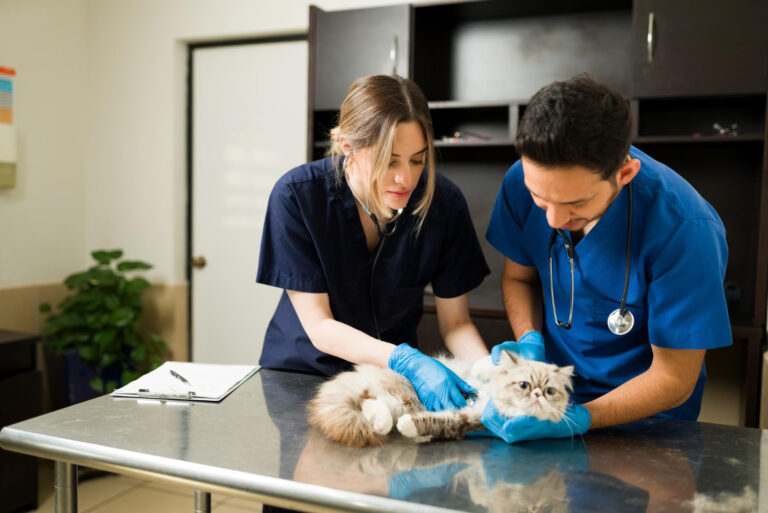
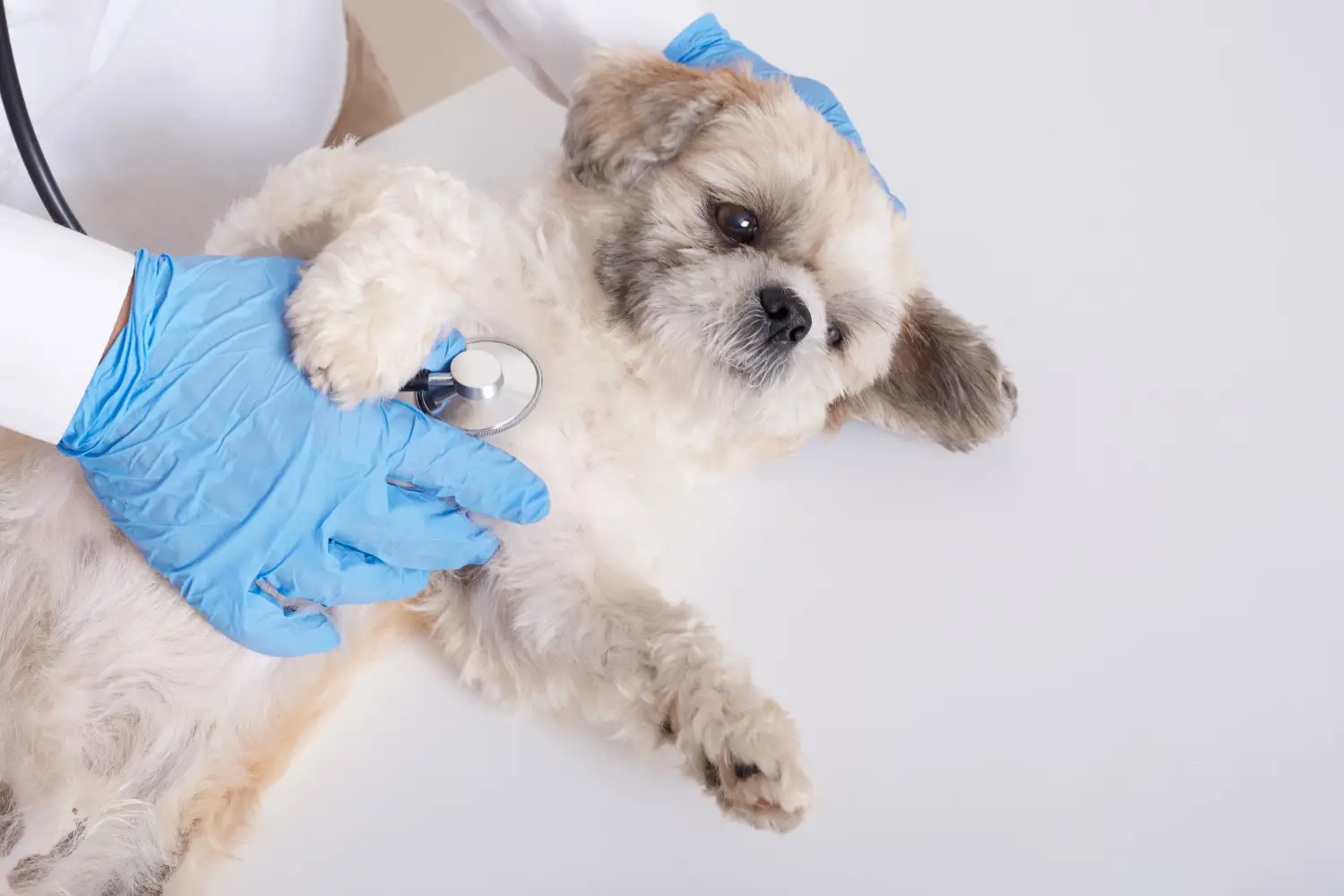
Before a procedure is scheduled, your veterinarian performs a physical examination that focuses on your pet’s overall health status. That visit typically includes a check of vital signs and careful listening to the heart and lungs. The purpose is simple: anesthesia affects the whole body, not just the part being operated on, so the exam helps confirm your pet can handle the drugs and the procedure itself.
Depending on what the examination turns up and on your pet’s age, your veterinarian may recommend additional testing before the surgery is booked. Ask questions during this visit. It is far easier to plan for recovery when you understand what the operation is meant to accomplish and what the realistic recovery timeline looks like.
Hospitals with advanced diagnostic tools, including abdominal and thoracic ultrasound and echocardiography, can gather a more complete picture of heart and organ function before anesthesia. At Wareham Animal Hospital in Wareham, Massachusetts, those diagnostics are part of the same full-service practice that handles surgery, special procedures, emergency care, and personalized wellness plans for pets across southeastern Massachusetts.
Fasting and Medication Instructions for the Night Before
The single most common instruction is that your pet gets no breakfast on the morning of surgery. In many clinics the same rule applies to antibiotic and pain medication that morning, and you will be told specifically to skip those doses. That can feel counterintuitive, especially if your pet is already uncomfortable, but it is a deliberate part of anesthesia safety.
Fasting guidelines differ by species, age, and the drugs being used, so the window comes from your own clinic rather than from a neighbor’s experience or an internet forum. Confirm three things before the appointment: the exact cutoff time for food, whether water should be withheld or left available, and which regular medications should be given or skipped. Never adjust a medication schedule on your own.
The Morning of Surgery: Check-In and the Waiting Hours
Check-in is an important part of the surgical process. The veterinary team will admit your pet, confirm the planned procedure, review any necessary instructions, and prepare your pet for surgery. Arriving as instructed helps the team keep the day’s surgical schedule organized.
When you hand your pet over, leave the best phone number for reaching you and ask when you should expect an update. Many practices place a call once the procedure is finished, and that call usually covers how the surgery went, how your pet is waking up, and when pickup is expected. Keep your phone nearby and answer unknown numbers in case the veterinary team needs to reach you.
Bring your pet on a leash or in a carrier, even for a short trip from the parking lot. A nervous animal in an unfamiliar parking area is a real flight risk, and a secure carrier can also help keep your pet calm in a busy waiting room.
The First Night Home
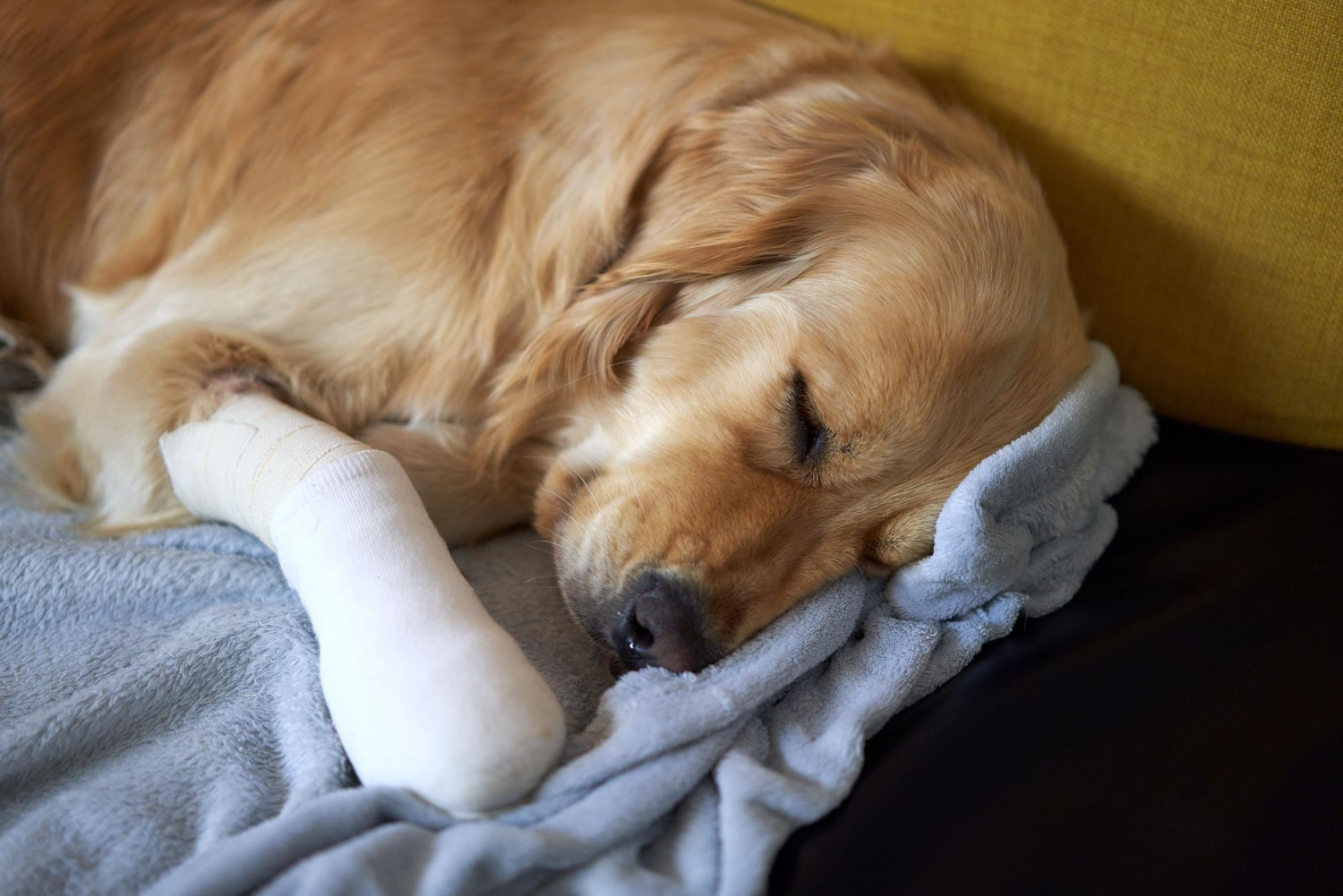
Most pets come home groggy, unsteady, or unusually quiet. That is normal in the hours right after anesthesia. Expect your pet to sleep heavily, to move slowly, and possibly to seem a little disoriented. Set up a soft, warm place to rest in a quiet part of the house, away from loud noise, other animals, and small children who may want to handle a recovering pet.
Follow your veterinarian’s post operative instructions to the letter, including when to offer food and water and when to give any prescribed medication. Do not add over-the-counter medications or supplements without checking first, since many human pain relievers are dangerous to pets. If something on the discharge sheet is unclear, call the clinic before you guess.
Activity Restriction During Recovery
This is the part owners underestimate most often. Most surgeries require your pet to be in confinement for two weeks, up until the recheck appointment. Confinement usually means strict crate rest or a small, fully enclosed space, with only brief, controlled trips outside for bathroom breaks.
The reason is mechanical. Running, jumping onto furniture, climbing stairs at speed, and wrestling with another pet all put tension on healing tissue and sutures. A patient who feels better on day four can undo several days of healing in a single leap off the couch. Follow the instructions you were given rather than your pet’s energy level, and ask specifically how to handle stairs and whether short leash walks are allowed.
Setting Up a Calm Recovery Space at Home
Creating a calm, comfortable recovery space ahead of time makes the confinement period far easier on everyone. Gather your supplies before surgery day rather than the night you bring your pet home, since you may be tired and distracted after pickup.
- A crate or small enclosure sized so your pet can stand, turn around, and lie down comfortably
- Clean, washable bedding that can be changed easily if there is any discharge or an accident
- A water bowl that will not tip over inside the crate
- A quiet room away from household traffic, other pets, and street noise
- An easy, short route to the door for bathroom breaks, with no stairs if that can be avoided
- Written copies of the discharge instructions and your clinic’s phone number in one place
Appetite, Energy, and Behavior in the Early Days
Recovery needs vary depending on the type of surgery and the individual pet. Some animals are back to their usual personality within a day, while others take considerably longer to seem like themselves again. Age, temperament, and the extent of the procedure all play a role.
What matters more than the exact timeline is the direction of travel. A pet who eats a little more, moves a little more comfortably, and seems a little brighter each day is generally on track. A pet who is slipping backward, or who shows any of the warning signs below, needs a call to the veterinary team rather than another day of waiting.
Warning Signs of Post-Surgery Complications
Certain symptoms are common enough warning signs after surgery that they should prompt a call right away. Contact your veterinarian if you notice any of the following.
- Excessive swelling or redness around the incision
- Persistent bleeding or discharge from the surgical site
- Loss of appetite or refusal to eat
Also call if your pet seems to be in significant pain despite medication, cannot urinate or has not had a bowel movement for longer than expected, or behaves in a way that worries you. Hospitals that offer emergency care can advise you on whether your pet needs to be seen after hours, and the safest approach is to ask rather than to monitor overnight and hope for improvement.
The Two-Week Recheck
For most surgeries, the two-week mark brings your pet back to the hospital for a recheck. The veterinarian examines the incision, assesses healing, and decides what activity restrictions can be lifted and which should continue. Some pets are cleared for normal life at that visit; others need a longer, staged return to full activity.
Write down your questions before the appointment. Owners commonly want to know when walks can get longer, when stairs are allowed, when they can bathe their pet, and when a return to dog parks, grooming, or daycare is safe. Those answers depend on the procedure, so ask them directly instead of comparing notes with friends whose pets had something different done.
Risks and Benefits Worth Discussing Beforehand
Surgery is recommended because the expected benefit outweighs the risk. A successful procedure can relieve pain, restore mobility, or eliminate disease, which improves quality of life in ways medication alone often cannot. For many pets, that means walking comfortably again, eating without discomfort, or recovering from a condition that would otherwise keep getting worse.
Risks exist with any anesthetic event and any incision. Your veterinarian should explain what those risks look like for your specific pet and what can be done to lower them. If you are weighing whether surgery is right for your animal, ask about alternatives, expected outcomes with and without the procedure, and what the recovery will realistically demand from you in terms of time and daily care.
Questions to Bring to Your Appointment
- What exactly does this procedure involve, and what is the expected outcome?
- What are the risks for my pet specifically, given age and health status?
- What testing, if any, is recommended before anesthesia?
- What are the exact fasting and medication instructions for the morning of surgery?
- How long will confinement last, and what counts as confinement for my pet?
- Which warning signs should trigger a phone call, and who do I call after hours?
- When is the recheck, and what happens at it?
Frequently Asked Questions
How long does my pet need to stay quiet after surgery?
Most surgeries require confinement for two weeks, right up until the recheck appointment. During that time your pet should stay in a crate or small enclosed area except for short, controlled bathroom trips. Your veterinarian may extend or shorten that window depending on the procedure and how the incision looks at the recheck, so treat the discharge instructions as the final word.
What should I do if my pet will not eat after surgery?
Loss of appetite or refusal to eat is one of the common warning signs after surgery, so contact your veterinary team rather than waiting it out. Some grogginess and mild disinterest in food can happen in the first hours as anesthesia wears off, but a pet who continues to refuse food needs to be assessed. The clinic can advise on what to offer and whether an exam is needed.
Will my pet be in pain after the procedure?
Some discomfort is expected after surgery, and your veterinarian will explain what pain management is appropriate and when to give it. Note that many clinics instruct owners to skip antibiotic and pain medication on the morning of surgery itself. Never give human pain relievers or leftover prescriptions, and call if your pet seems uncomfortable despite the medication plan you were given.
Is surgery risky for an older pet?
Age alone does not determine whether a pet can have surgery. What matters is overall health status, which is why the pre-anesthetic examination checks vital signs and evaluates the heart and lungs before a procedure is scheduled. Your veterinarian can explain the risks and benefits for your individual pet, including whether advanced diagnostics such as ultrasound or echocardiography would help clarify the picture beforehand.
Planning ahead is the most useful thing you can do for a pet facing surgery. Confirm the fasting rules, prepare a quiet recovery space, keep your phone close on the day of the procedure, and follow the confinement instructions even when your pet starts acting like their old self. If anything about the recovery looks wrong, call your veterinary team early rather than waiting for the next scheduled visit.