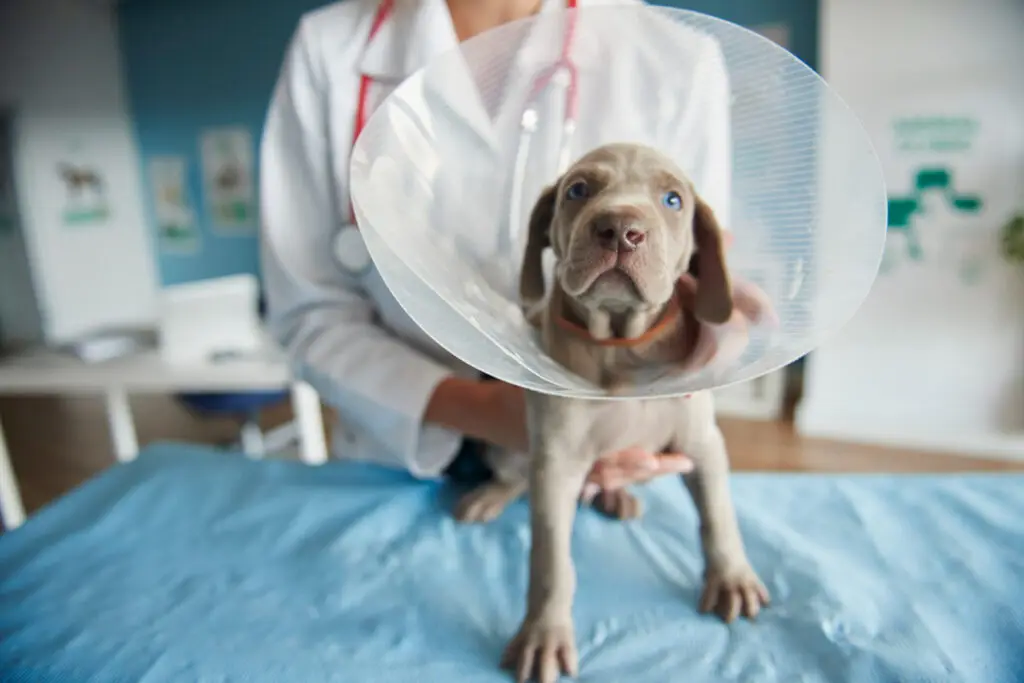
Bringing your dog home after an operation is a relief, but it marks the start of a stretch of work that matters just as much as the surgery itself. Post-surgery care for dogs revolves around a handful of repeatable tasks: following discharge instructions, limiting movement, giving medication on schedule, checking the incision, and watching appetite and bathroom habits. This checklist walks through each step in the order most owners need them, plus the timeline to expect and the signs that mean a phone call to your veterinarian.
Before Your Dog Comes Home
A little preparation on pickup day prevents a rushed scramble later. Set up the recovery area before your dog walks through the door, so the first hours at home are calm rather than chaotic.
Build a Quiet Recovery Space
Create a calm, comfortable recovery space at home, ideally in a room with less foot traffic than the kitchen or main hallway. Soft bedding, steady temperature, and easy access matter more than the size of the space. If your dog normally sleeps on a bed or couch, plan for the floor or a crate during recovery so there is no jumping up or down while healing is underway.
Remove Hazards and Stock Supplies
Walk through the recovery area and remove anything your dog could trip over, knock into, or use as a step. Stairs, slick flooring, and furniture your dog likes to launch off are the usual culprits. Gather the supplies you will need before pickup day:
- Written discharge instructions and your veterinarian’s phone number in an easy-to-find spot
- Soft bedding that is simple to wash
- Food and water bowls placed within easy reach of the resting spot
- A leash for bathroom breaks
- Any medication, protective collar, or special diet items your veterinary team tells you about
Step 1: Follow Your Discharge Instructions
Your veterinarian’s post-operative instructions take priority over any general advice you read online, because they are written for the specific procedure your dog had. Read them the same day, and ask questions before you leave the hospital rather than guessing later. Useful questions include when each medication is due, when the next recheck happens, what the incision should look like, and which changes should prompt a call. If two sets of instructions conflict, the one from your own veterinary team wins.
Step 2: Restrict Activity
For most procedures, activity should be restricted for 7 to 10 days after surgery. Running, jumping, and other high-impact movement are off the table during that window. After spay or neuter surgery, exercise restriction is commonly recommended for 10 to 14 days. Keep your dog closely supervised and on an exercise restriction for the full period your veterinarian specifies, even on days when your dog seems back to normal.
Making Rest Work for an Energetic Dog
An energetic dog on restricted activity needs structure more than willpower. Keep bathroom breaks short and on a leash so your dog cannot bolt, and move food, water, and bedding close together so there is less walking between them. Mental engagement such as quiet chew items or gentle grooming can burn energy without stressing the surgical site. If your dog is climbing the walls, call your veterinary team rather than loosening the restrictions on your own.
Step 3: Give Medications as Directed
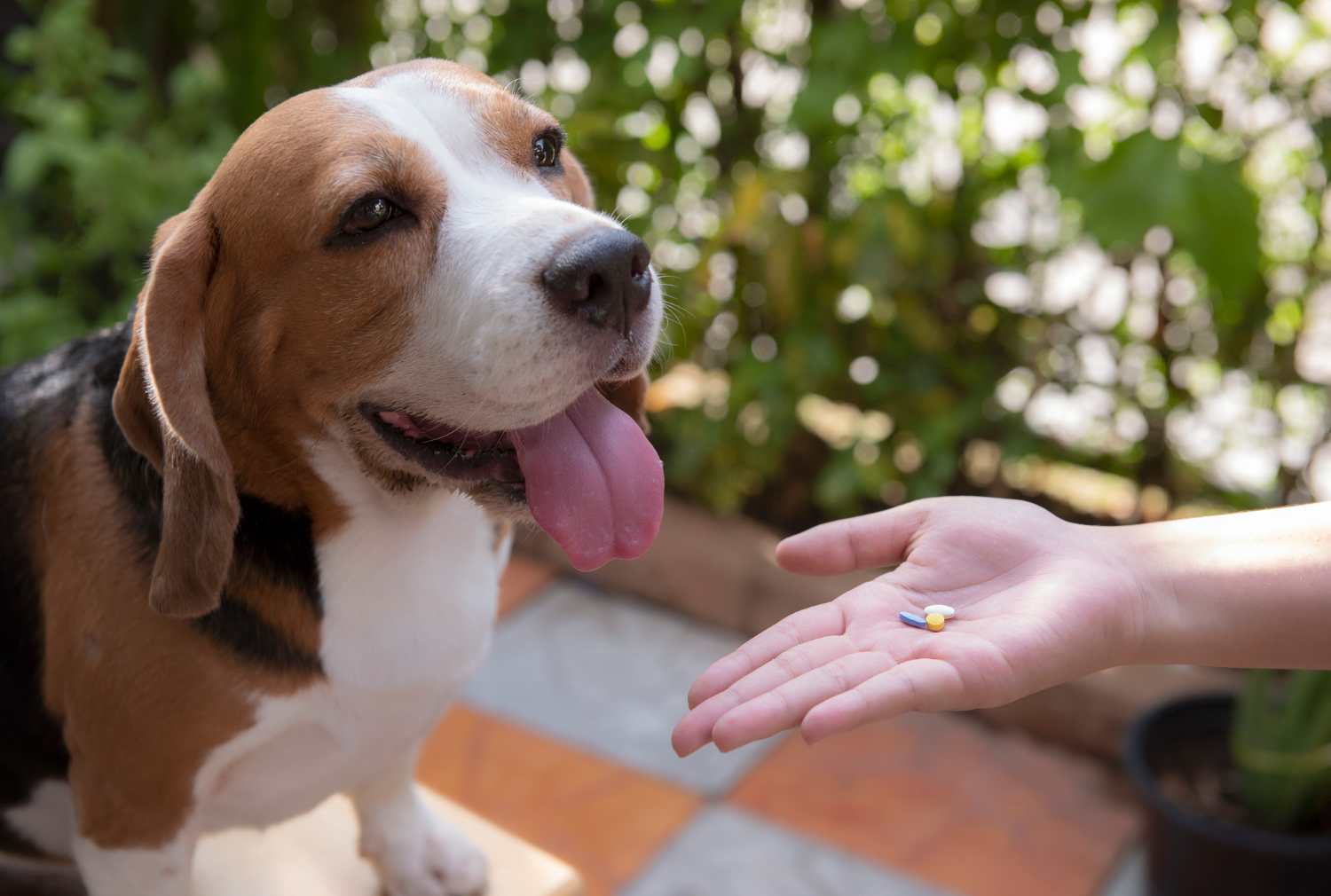
Managing medication is one of the core parts of dog surgery aftercare. Set reminders so doses are not missed, and finish the course exactly as prescribed rather than stopping early once your dog perks up. Ask your veterinarian before giving any medication that was not part of the discharge plan, including supplements, human pain relievers, or leftover prescriptions from a previous visit. If a dose is missed or vomited up, call the clinic for guidance instead of doubling up.
Step 4: Check the Incision Twice Daily
Check the incision twice daily until it is healed. Look at the whole site in good light, and note any change in size, color, or moisture. Hands-off inspection is enough for most dogs. Keep the incision dry, and do not apply topical ointments, creams, or home remedies to the site unless your veterinarian specifically tells you to. Avoid bathing your dog until you have been cleared to do so.
Keeping the Incision Dry
Moisture slows healing and softens the tissue around a repair. That means no baths, no swimming, and no lingering in wet grass during the recovery window. If the incision gets damp during a bathroom trip, pat it gently and let your veterinarian know if it stays weepy or develops an odor. Your discharge notes may include a protective collar or another barrier if your dog tends to lick or chew at the surgical site.
Step 5: Watch Eating, Drinking, and Bathroom Habits
Your dog should return to a regular feeding and bathroom routine within 48 hours. If that does not happen, call your veterinarian to make sure there is no reason for concern. Small changes in appetite on the first evening are common as anesthesia wears off, but a dog who refuses food, will not drink, or has not produced stool or urine on a normal schedule needs a professional opinion rather than another day of waiting.
Step 6: Keep Your Dog Comfortable and Calm
Grogginess or fatigue from anesthesia is expected in the hours after surgery, so a sleepy, unsteady dog on the first evening is usually not a crisis. Most dogs show significant improvement within 7 to 10 days, though complete healing can take several weeks to months depending on the procedure. Keep the home quiet, limit visitors, and let your dog set the pace for resting. Comfort at this stage comes from a warm, dry, low-traffic spot and consistent pain management, not from extra activity.
Recovery Timeline at a Glance
| Timeframe | What to expect | What to do |
|---|---|---|
| First hours | Grogginess or fatigue from anesthesia is common | Keep the space quiet and allow rest |
| First 48 hours | Most dogs return to a regular feeding and bathroom routine | Call your veterinarian if that routine does not return |
| 7 to 10 days | Significant improvement for most dogs; activity restricted for most procedures | Prevent running and jumping; keep the leash on outdoors |
| 10 to 14 days | Exercise restriction and twice-daily incision checks commonly recommended after spay or neuter | Keep the incision dry and skip bathing until cleared |
| Weeks to months | Complete healing varies with the procedure | Follow your veterinarian’s recheck schedule |
When to Call Your Veterinarian
Your surgical team would rather answer a worried phone call than treat a complication that went unmentioned. Call if your dog has not returned to a regular feeding or bathroom routine within 48 hours, if the incision looks or smells different than it did at discharge, or if your dog seems painful despite medication. Do not wait for a scheduled recheck if something seems wrong. Keep your discharge paperwork and the clinic’s contact information within reach so you are not searching for it at midnight.
If your dog was treated at a hospital in the Wareham area, your surgical team already knows the procedure, the sutures used, and the medication sent home, which makes them the fastest source of accurate answers. Owners in the surrounding southeastern Massachusetts towns can also ask their veterinary team what time frame counts as urgent versus after-hours before a problem comes up.
Frequently Asked Questions
How long should I stay home with my dog after surgery?
There is no single answer that fits every procedure. Plan to be home, or arrange supervision, for at least the first day, since grogginess from anesthesia is common and a waking dog may try to jump or paw at the incision. Ask your veterinary team how closely your dog needs watching during the full activity restriction period.
How long after surgery will my dog act normally?
Most dogs show significant improvement within 7 to 10 days, but recovery does not stop there. Complete healing can take several weeks to months depending on the procedure. Energy, appetite, and behavior often improve at different speeds, and the type of surgery, your dog’s age, and overall health all shape the timeline.
What should I have on hand for my dog after surgery?
Stock up before pickup day. A quiet crate or pen with washable bedding, bowls placed within reach, a leash for short bathroom breaks, and a written copy of your discharge instructions cover the basics. Your veterinary team will tell you whether medication, a protective collar, or a special diet is needed, so ask before you leave the hospital.
Is it normal for my dog to cry at night after surgery?
Some whining or restlessness can happen as anesthesia wears off and your dog adjusts to a disrupted routine, and discomfort is possible too. Because pain and complications can be hard to tell apart at home, call your veterinarian if the crying is persistent or your dog seems painful. They can decide whether medication changes or a recheck is needed.
Conclusion
Proper post-surgery care helps your dog recover safely and comfortably. Follow all discharge instructions, limit activity, give medications as prescribed, and check the incision regularly. Monitor your dog’s appetite, bathroom habits, energy, and overall behavior for changes. If you notice concerning symptoms or are unsure whether something is normal, contact your veterinary team promptly. If your dog recently had surgery, contact Wareham Animal Hospital for trusted post-surgery guidance and compassionate veterinary care to support a smooth recovery.