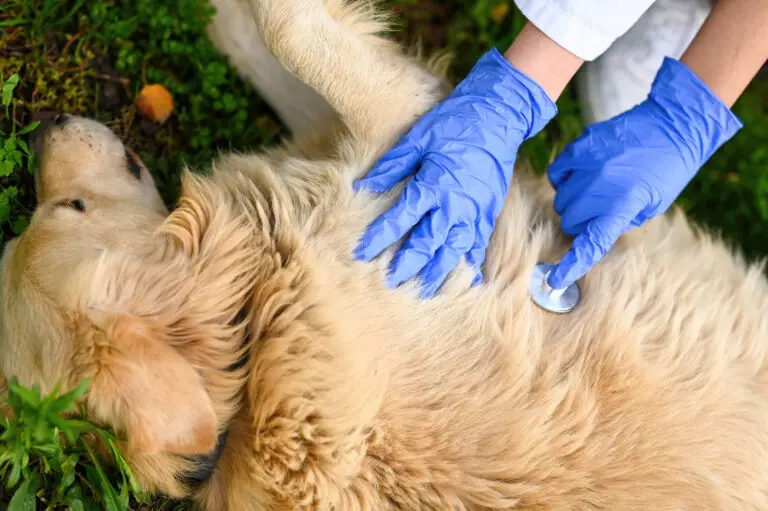

Imagine a playful afternoon at the park when suddenly your dog trips and grazes their paw, or your cat jumps onto a hot surface and recoils in pain. In those moments, every second counts, and knowing what to do can make a big difference. Home first aid for pets is about being prepared and calm when emergencies happen. It is not about replacing veterinary care. Instead, it gives pet owners the tools and confidence to stabilize a situation until professionals can take over. By recognizing common emergencies and acting quickly, you may be able to prevent further harm and help your pet recover faster. With simple steps and the right supplies, you can be your pet’s first hero.
Key Takeaways
- Learn how to recognize and respond to common pet emergencies
- A basic home first aid kit can make a critical difference
- Simple first aid skills can help stabilize your pet in emergencies
- Knowing when to go to the vet is just as important as treating at home
- Confidence and calmness are essential in emergency care
What Is Home First Aid for Pets?

Home first aid for pets refers to the immediate care you give your furry friend when they face a health crisis. It begins at the moment you notice something is wrong and continues until you arrive at the veterinarian. The goal is to keep your pet safe, comfortable, and stable while at the same time reducing pain or bleeding and preventing a situation from getting worse. This type of care includes providing basic medical attention, assessing your pet’s condition, and knowing what supplies and skills can help until a professional can step in.
Common Pet Emergencies You Should Be Ready For
Pet emergencies can take many forms. Here are some of the most common that may come up:
Severe Bleeding
Heavy bleeding can quickly become life-threatening. If your pet is bleeding profusely or the bleeding lasts more than five minutes, it is a serious situation. Use a clean cloth or sterile dressing to apply direct pressure. When possible, elevate the leg to help slow the bleeding. However, do not try to clean deep wounds at home. Transport your pet to the vet immediately.
Choking
Choking can be fatal if not addressed quickly. Watch for signs like coughing, pawing at the mouth, or difficulty breathing. Carefully open the mouth and try to remove visible obstructions. If you cannot reach the object, use firm back blows or abdominal thrusts to dislodge it. Even if the object is removed, your pet needs veterinary evaluation afterward.
Burns
Burns from hot surfaces or chemicals can be painful and serious. Run cool water over the burn for at least ten minutes. Do not use ice, creams, or oils. Cover the area with a clean, damp cloth and seek veterinary care right away. Burns can hide deeper tissue damage, even when the surface looks minor.
Heatstroke
High temperatures or humidity can lead to heatstroke in pets. Watch for heavy panting, red gums, weakness, or collapse. Move your pet to a cool, shaded area immediately. Offer small sips of cool water and mist their body with water. Do not allow them to drink too fast. Seek emergency help right away. Heatstroke needs immediate medical attention.
Accidents and Trauma
Being hit by a car or falling from a height can cause internal injuries that may not be obvious. Control visible bleeding and gently move your pet only if necessary. Use a towel or blanket to support their body and transport them to a vet as soon as possible. Internal injuries require professional treatment.
Seizures
Witnessing a pet have a seizure can be distressing. Keep your pet safe by moving nearby objects away. Do not hold their mouth or insert anything. Time the seizure. If it lasts longer than two minutes or occurs frequently, go straight to the vet. Keep your pet warm and calm after the seizure until professional care is available.
Poisoning
Pets are curious and may ingest toxic items such as plants, medications, chocolate or household chemicals. If your pet shows sudden vomiting, drooling, trembling, or seizures, identify what they may have eaten. Do not induce vomiting unless your vet tells you to. Get to the vet or poison control at once.
GDV (Gastric Dilatation and Volvulus)
This is a life-threatening condition, more common in large dogs, where the stomach twists and traps gas and food. Look for a swollen belly, unproductive retching, and distress. GDV requires immediate veterinary attention and does not improve at home.
“Emergencies can happen in a blink. Whether it’s choking, bleeding, or sudden collapse, being ready can truly make all the difference for your pet.” — Dr. Alberto L. Fernandez, DVM, Owner & Veterinarian, Wareham Animal Hospital
First Aid Steps You Can Take at Home
Here are simple steps you can take to help stabilize your pet during emergencies:
● Bleeding
Apply firm pressure with a clean cloth. Keep the cloth in place; do not remove it to check. When possible, elevate the bleeding area. Seek vet care after stabilization.
● Choking
Open the mouth gently. If you can see the object, remove it carefully. If it is unseen or unreachable, try back blows or abdominal thrusts. Always take your pet to the vet afterward.
● Burns
Rinse the burn with cool running water for 10 minutes. Wrap with a clean cloth. Do not apply ice or ointments. Visit your vet right after.
● Seizures
Time the seizure and keep your pet safe from harmful objects. Allow the seizure to finish. Afterward, comfort your pet and transport them to the vet if needed.
● Heatstroke
Move your pet to a cool area. Offer small sips of water. Use water mist or wet towels to cool them down. Get medical help quickly.
● Poisoning
Identify the substance your pet took. Do not give water or food or induce vomiting unless your vet says it’s okay. Go to the vet or contact animal poison control.
● CPR for Dogs
If your dog collapses and is not breathing, perform CPR. Lay them on their right side. For medium to large dogs, place your hands over the widest part of the chest and push down hard. Do thirty compressions and then give two breaths if you can. Keep going while getting help.
● Cleaning Minor Wounds
Clip hair if needed. Clean gently with water or saline. Pat dry and place a non-stick pad over it. Use bandages loosely if needed. Never wrap too tightly.
● Handling Broken Bones
Use a towel or blanket to support the limb. Avoid trying to set the bone. Get to the vet right away.
Assembling a Pet First Aid Kit: An Essential
Being ready means having the right tools. Put together or buy a kit that includes
Essential Items
- Non-stick pads, gauze, and wraps
- Styptic powder (for nail bleeding)
- Saline solution for cleaning
- Tweezers for splinters and ticks
- Diphenhydramine (Benadryl) with dosage guidance
- Digital rectal thermometer
- Antiseptic wipes
- Instant cold pack and emergency blanket
- Pet first aid manual
Helpful Add-ons
- Muzzle (if your pet may bite)
- Towels and clothes
- Slip lead or soft leash
- Syringe for fluids/meds
- Honey packet for low blood sugar
Keep the kit visible and check the contents every six months. Replace expired items and restock as needed.
Why Emotional Calm Matters
Your pet can sense your emotions, especially when you’re feeling stressed or afraid. Staying calm during an emergency not only helps you think clearly but also reassures your pet. Start by taking a few deep breaths to center yourself. Speak in a soft, gentle voice and move slowly to avoid startling your pet. Focus on handling one step at a time rather than panicking about the whole situation. It’s also helpful to have your veterinarian’s phone number easily accessible so you can contact them quickly if needed. Pets tend to respond better and recover faster when their owners remain composed and steady.
Why Choose Us at Wareham Animal Hospital
At Wareham Animal Hospital, we are more than just veterinarians. We are your partners in keeping pets safe and healthy. You will receive compassionate care and expert guidance when emergencies happen. Our team has the tools and experience to treat anything from minor injuries to severe trauma quickly and carefully. We offer help and support beyond just medical treatment. When you trust us, you are choosing a team that cares deeply about your pet’s life, health, and comfort.
Read our other blogs on common reasons why pets need surgery and prevent serious conditions for your pet.
Frequently Asked Questions
1. How do I know if my pet needs a vet right away or can wait?
If your pet is having trouble breathing, uncontrolled bleeding, seizures, collapse, or showing severe distress, go to the vet without delay. If symptoms seem mild, call and ask for advice.
2. Can I use human medications like acetaminophen or ibuprofen for my pet?
Never give human medications unless prescribed by a vet. Many can be harmful or fatal.
3. How often should I update the first aid kit?
Check your kit every six months. Replace expired items and refill any supplies you have used.
4. What if my pet bites me during an emergency?
Use a towel or muzzle if needed. Try to reassure your pet. If injured, wash and disinfect the wound and see a doctor.
5. Are first aid courses for pets worth it?
Absolutely. A hands-on class helps you learn CPR and emergency skills in a safe setting and boosts confidence.