
Emergency Care for Pets: Warning Signs, First Aid and When to Go In
Is your dog or cat acting strange? Maybe they have stopped eating, or you have noticed a limp. Knowing what counts as an emergency is the first step, and it is easier to judge when you have thought it through before a crisis.
One fact stands out: many pet emergencies come without warning, catching families off guard.
This guide covers the signs to watch for, from pale gums to fast breathing, and the first aid you can start at home. It also explains how our team in Wareham helps pet owners from Plymouth and the surrounding towns when something goes wrong.
Below you'll find the warning signs that mean a trip to the vet, safe first aid you can start at home, and how to decide between calling us and heading to a 24-hour emergency hospital.
Key Takeaways
- In an emergency, watch for signs like pale gums, rapid breathing, or trouble standing in pets.
- If your pet eats something toxic, call a vet and follow their advice right away.
- First aid steps include cleaning wounds and performing the Heimlich maneuver if needed.
- Our urgent and emergency care is led by a board-certified emergency and critical care veterinarian. We are open Monday to Friday 12:00pm to 10:00pm and Saturday 12:00pm to 6:00pm.
- Digital X-rays, ultrasound and in-house bloodwork at our Wareham clinic help the team find the problem quickly.
Recognizing Emergency Care for Pets

Pets can’t tell us when they’re in trouble, but their bodies sure do. If your furry friend is acting out of sorts, showing signs like not eating, hiding more than usual, or being super thirsty, it might be time to sound the alarm.
These aren’t just quirky behaviors; they could signal something serious like poisoning or a bad tummy ache. Keep an eye out for these red flags because catching them early could save your pet’s life.
Signs of severe illnesses
Keep an eye on these warning signs that your pet might be in big trouble. Pale gums are a bad sign. Rapid breathing or an unusual heartbeat, either too fast or too slow, means something is wrong.
Look out if they feel too hot or too cold to the touch, or struggle to stand up properly. These are all red flags that need immediate attention.
If you see your pet unable to move, fainting, having seizures, or bleeding heavily, it’s critical to act quickly. These symptoms indicate serious illness and demand prompt action. Don’t hesitate; time is crucial for your pet’s health in these situations.
Symptoms of toxic ingestion
If your pet starts acting weird or feels sick after eating something bad, it might be because they swallowed poison. Watch out for signs like vomiting, seeming dizzy, drooling more than normal, or having trouble breathing.
These symptoms can show that your pet ate something dangerous. The ASPCA Animal Poison Control Center is a good place to call in this situation. They have experts who know all about poisons and can tell you what steps to take.
Never make your pet vomit unless a vet or poison control tells you to. Whether it helps depends on what was swallowed, how long ago, and your pet's age and health, and for some substances it can cause more harm.
Always stay alert for these serious signs and be ready to act quickly.
Knowing what actions to take right away when you see these scary symptoms in your beloved animal could save their life.
Immediate Steps to Take in a Pet Emergency
In a pet emergency, every second counts. Act fast but stay calm; your first move is to apply simple first aid and then speed dial Wareham Animal Hospital.
First-aid measures
In the blink of an eye, pets can find themselves in sticky situations. Knowing what to do can turn a panic moment into a handled situation.
- For cuts or scrapes, clean the wound gently with water. Then press a clean cloth against it to stop bleeding.
- If your pet won’t stop bleeding, keep the wound high and tight. Press down harder and head to the vet.
- Seeing your pet choking is scary. First, look in their mouth and remove any visible blockage carefully with your fingers.
- Can’t see the block? Use a modified Heimlich maneuver to try and dislodge the object.
- Your furry friend ate something toxic? Don’t wait! Call your vet right away for advice on what to do next.
- For heatstroke, move your pet to a cool, shaded spot, offer small sips of cool water, and wet the coat with cool (not ice-cold) water while you head to the vet.
- Got a pet that’s not breathing? Lay them on their side and gently give rescue breaths into their nose, not too hard though.
- No heartbeat or breathing? Have someone call us or drive while you begin chest compressions on the side of the chest. Keep going until you reach a veterinary team.
- Shock can set in quickly after an accident or injury—keep them warm and calm while you rush to Wareham Animal Hospital.
- Save our number (508-273-7149) in your phone. During our open hours we can guide you by phone until you arrive. Outside those hours, go straight to the nearest 24-hour emergency hospital.
When to rush to the vet
If your pet stops eating, starts vomiting, or has trouble breathing, don’t wait. These are clear signs that something is wrong. Also, if they seem hurt after a fall or an accident, it’s time to act fast.
Call Wareham Animal Hospital right away and tell them you’re on your way. This helps us get ready for your arrival.
Pets can’t tell us how bad they feel, so look for clues. If they whine more than usual or hide in odd places, these could be cries for help. For any severe symptoms like bleeding or seizures, bring them in immediately.
Our urgent care is owned and managed by a board-certified emergency and critical care veterinarian (DACVECC), and our nursing team is led by a Specialty Veterinary Technician in Emergency Care (VTS ECC).
Advantages of Choosing our Emergency Care for Pets
At Wareham Animal Hospital, your pet is seen by a team that handles urgent cases every week. Our emergency equipment and experienced staff let us act quickly and explain each step to you as we go.
Experienced veterinarians
Having an experienced vet is beneficial for pets. The vets here are not ordinary animal health experts. They’ve handled everything from minor troubles like chewed shoes to serious emergencies.
These professionals possess sharpened skills and broad knowledge, always on guard for any issues your pet may confront. They comprehend the urgency and immediate action required for pet emergencies.
Our team is well-versed with pets. Whether they’re performing chest compressions or administering artificial respiration, they handle critical situations with accuracy and care. This superior level of expert care offers your furry companion a great chance at a speedy recovery.
Opting for this clinic means placing your faith in competent hands that ensure your pet journeys through challenging times securely.
State-of-the-art emergency facilities
Continuing our discussion about our proficient veterinary doctors, let’s proceed with the central area of Wareham Animal Hospital – our emergency room. Advanced technology graces our clinic, prepared to attend to any predicament faced by your pet.
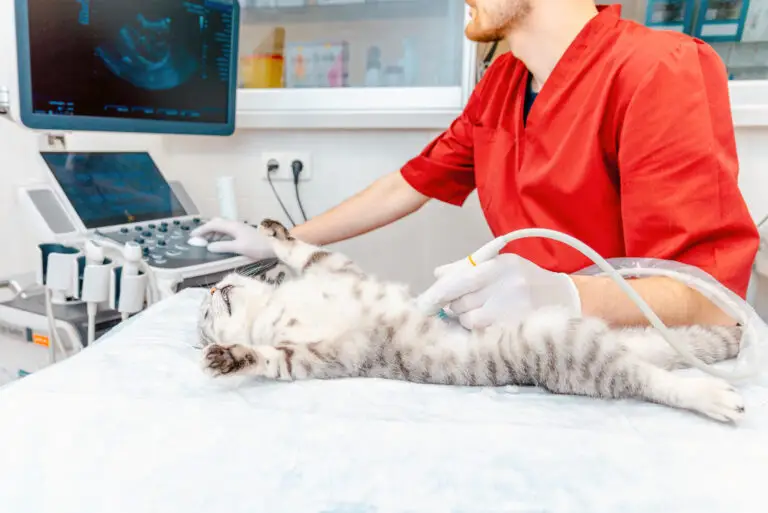
Visualize devices capable of non-invasive inner inspections of our patients, plus tools to maintain their cardiac health. We operate around the clock, ensuring assistance is consistently available whenever required.
Our team is highly familiar with emergencies. They blend empathy and proficiency to treat every animal like they’re extraordinary. Be it fractures or digestive disturbances, we are equipped with the necessary technology and knowledge for immediate solutions or comprehensive evaluations for more severe cases.
Opting for our services guarantees that your pet receives premier care, no matter the time they require it.
Conclusion
Ready to Keep Your Furry Friend Safe? Join Us!
Your pet is part of the family. That’s why, at Wareham Animal Hospital, we’re here to help when emergencies strike. Call or visit us today and make sure your pets always get the care they need.
Why trust our clinic for your pet’s emergency needs
Our clinic is open 24/7, ready to jump into action whenever your pet needs help. Our team of emergency vets has the experience and skills to handle any situation that comes their way.
With our on-site labs and imaging equipment, we can quickly figure out what’s wrong.
We make sure to explain things in a way that’s easy to understand, keeping you informed every step of the way. Our approach to care isn’t just about treatments; we know these moments are hard for both pets and owners.
We’re equipped with everything necessary for surgeries and intensive care right here. So choosing us means you get peace of mind, while your pet gets the best possible care.
FAQs
1. How can I afford emergency veterinary care if I don’t have health insurance for my pet?
Don’t fret! There are options to make it less burdensome on your wallet. Some veterinary clinics accept payment via credit card or offer payment plans with interest. You might also consider crowdfunding platforms like GoFundMe.
2. Are there specific animal hospitals that deal with emergencies?
Absolutely! Many cities have specialized animal hospitals equipped to handle emergencies around the clock for your beloved companions, and Wareham Animal Hospital is one of them.
3. If I adopt a pet from an animal shelter, will they provide any kind of emergency care guide?
Yes indeed! Most reputable animal shelters equip new owners with a comprehensive guide covering everything from routine check-ups to handling unexpected health scares.
4. Where can I find frequently asked questions about effective emergency care for pets?
You’re already on the right path asking here! But you can also look at resources provided by credible organizations such as HSUS or your local veterinary clinic’s website.
Emergencies That Should Not Wait
Some situations need a veterinary team right away, even if your pet seems to be coping:
- Swollen, hard belly with unproductive retching, especially in deep-chested dogs, which can mean bloat.
- A male cat straining to urinate or producing little or no urine.
- Seizures lasting more than a few minutes, or several in a row.
- Hit by a car or a fall from height, even if your pet walks away.
- Eye injuries, such as a bulging, cloudy or squinting eye.
- Known poisons such as xylitol, grapes and raisins, chocolate, rodent bait, or lilies in cats.
If you are unsure, call us and describe what you are seeing.
Call Us or Go to a 24-Hour ER?
We are open Monday to Friday from 12:00pm to 10:00pm and Saturday from 12:00pm to 6:00pm at 1 Tobey Rd C 3, Wareham, MA 02571. Within those hours, call 508-273-7149 on your way so the team can prepare for your pet.
When we are closed, don’t wait for us to open if your pet is in trouble. Go to the nearest 24-hour emergency hospital and tell them what happened. Once your pet is stable, we are glad to handle follow-up visits, rechecks and ongoing care.
How to Move an Injured Pet Safely
A frightened, hurting animal may bite or scratch, even if it is gentle at home. Move slowly and speak calmly.
- Small dogs and cats: place them in a carrier or a box with a towel.
- Large dogs: slide a blanket, board or large towel under the body and carry it with a helper to keep the spine level.
- Muzzle with care: use a soft strip of cloth only if your pet is not vomiting or struggling to breathe.
- Keep them warm and still in the car, with someone sitting beside them if you can.
What to Bring and What to Tell the Team
A few details help us act faster. If your pet swallowed something, bring the packaging, plant or a photo of it, and note roughly how much and when. Bring a list of current medications and supplements, and any recent records if you have them at hand.
Tell us when the problem started, what you have already done, and whether your pet has eaten or vomited since. Being specific gives the veterinarian a head start on the examination and tests.
What Happens When You Arrive
Our team first checks how stable your pet is, since the most serious patients are seen first. Breathing, heart rate, gum color and pain level are assessed, and treatment to stabilize your pet begins if needed.
The veterinarian then explains what they found, which tests or treatments are recommended, and what the options are. We tailor care to your pet’s needs and your budget, and we keep communication honest and clear. Our multilingual team can assist Spanish-speaking owners.
Emergencies in Exotic Pets and Small Mammals
Rabbits, guinea pigs, birds and other small pets hide illness well, so by the time they look unwell the problem is often advanced. A rabbit that stops eating, a bird fluffed up on the cage floor, or any small pet that is open-mouth breathing should be seen promptly.
All pets are welcome at Wareham Animal Hospital, including exotic animals and small mammals. Call before you come so we can prepare, and keep your pet warm and in a quiet, covered carrier.