Dogs and cats age more quickly than the people who care for them. A pet that seems perfectly healthy in the spring can show real changes by autumn, and many of those changes begin inside the body before they are visible from the outside. Senior pet wellness is a preventive approach to veterinary medicine built for this stage of life. It combines more frequent exams, targeted testing, and closer observation so that age-related problems are found early, when treatment can make the biggest difference. For owners who want their aging companions to stay active and comfortable, knowing what senior pet wellness includes is a valuable first step.
What Is Senior Pet Wellness?
Senior pet wellness is a program of preventive care designed around the health needs of older pets. It includes thorough physical examinations, comprehensive blood work, urinalysis, and diagnostic imaging to assess how the body is holding up. This style of care is not about treating a single illness. It is about monitoring the health changes that come with age, addressing discomfort early, and helping owners make thoughtful decisions about their pet’s care.
The value of this approach shows over time. Older pets may develop age-related problems, and good senior care allows them to live happy, healthy, and active lives in their senior years. Because many conditions develop gradually, repeated exams at regular intervals give the veterinary team a clearer picture of what is normal for an individual pet and what should be investigated.
When Do Pets Become Seniors?
Most veterinarians use age 7 as a general starting point for senior care in dogs. Senior pets experience health changes more rapidly than younger animals, so veterinary teams recommend a different schedule of care once a dog passes this milestone. Cats also benefit from senior-focused care as they age, and many practices include them in the same wellness programs.
Age alone is not the entire story because every pet is different, but age 7 is the threshold that most senior wellness programs use to trigger additional monitoring. If you are unsure whether your pet has reached the senior stage, a wellness visit is the easiest way to get a clear answer.
Why Senior Pets Need Exams Every Six Months
Most veterinarians recommend twice-yearly wellness exams for dogs over age 7. For a senior pet, six months is a long stretch of life. Health can shift meaningfully in that window, and subtle signs that an owner might dismiss as the pet simply slowing down can actually point to something treatable.
A yearly checkup was designed for younger animals whose health is relatively stable. Senior pets change faster, and their bodies accumulate wear and tear more quickly. A six-month interval means problems are spotted sooner, measured against a recent baseline, and managed before they interfere with quality of life.
Early detection is the reason behind this schedule. Subtle shifts in a senior pet’s health can go unnoticed until a problem becomes serious, and waiting twelve months gives those shifts time to compound. Twice-yearly exams close that gap.
What Happens During a Senior Pet Wellness Exam
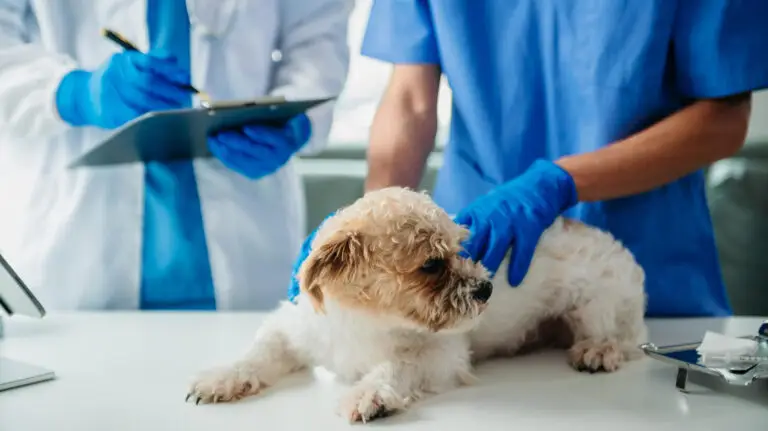
A senior wellness visit goes beyond the basics. Practices that offer senior pet wellness services build the exam around a complete evaluation with the following components.
Thorough Physical Examination
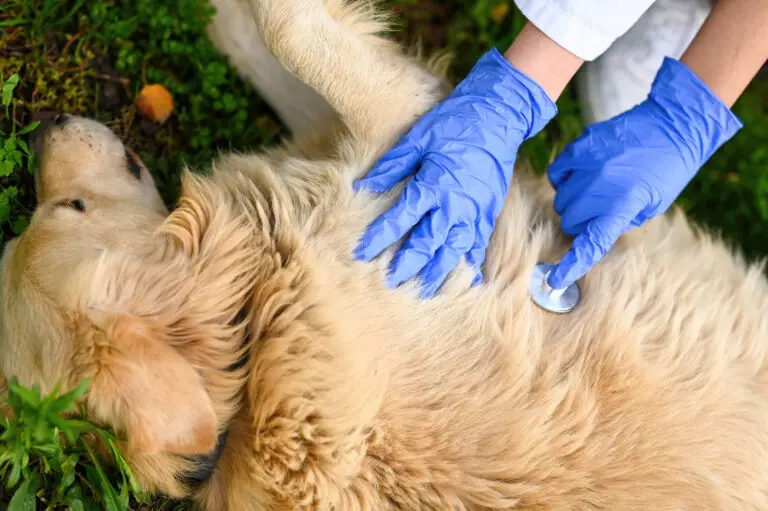
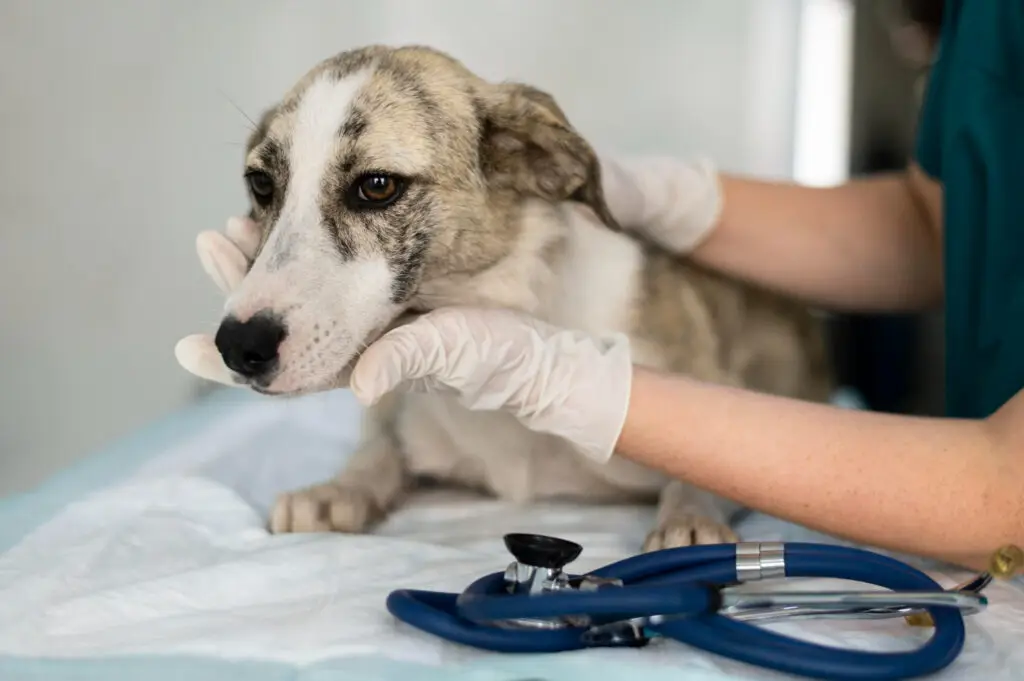
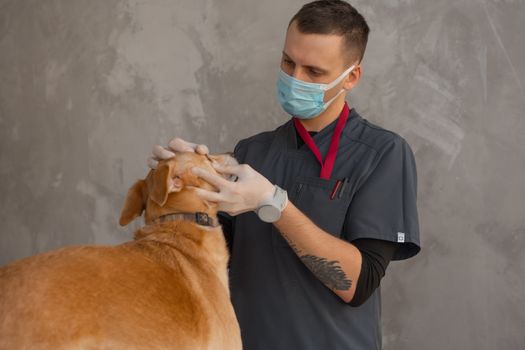
The heart of the visit is a thorough and complete physical examination. The veterinarian evaluates the pet from nose to tail, looking for lumps, discomfort, weight changes, and other physical clues that something has changed since the last visit. Many age-related problems leave physical traces, and this exam is where they are often first noticed.
Dental and Oral Examination
The mouth receives special attention during a senior wellness visit. The evaluation includes a dental and oral exam to check the teeth, gums, and surrounding tissues for any issues that could affect eating and comfort. Examining the mouth on a regular schedule helps keep dental problems from building up unnoticed between visits.
Blood Work
Comprehensive blood work is one of the most important parts of senior pet wellness services. Bloodwork is used to check organ function and to screen for diabetes or thyroid disease. These are conditions that can develop quietly, and laboratory values often reveal them before a pet shows clear signs at home.
Urinalysis
Urinalysis is included alongside blood work in most senior wellness panels. Testing the urine adds information about how the body is processing waste and helps complete the picture of an aging pet’s internal health. When blood work and urinalysis are reviewed together, the veterinary team gains a much fuller understanding of organ function.
Diagnostic Imaging
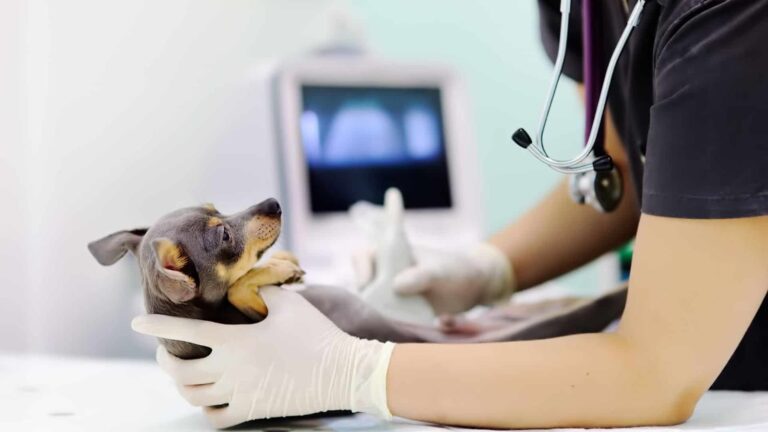
Senior pet wellness services may also include diagnostic imaging to assess internal structures that cannot be felt from the outside. Imaging can help the veterinarian evaluate the organs and can be repeated over time to document changes. It is most useful when combined with the physical exam and laboratory findings.
Parasite and Disease Screening
The full senior evaluation also includes intestinal parasite screening, heartworm screening, and tick disease screening. Screening keeps the list of possibilities narrow when a pet is not feeling well and supports a complete record of the pet’s health over time. These checks are simple and routine, yet they add important information to the senior wellness picture.
How Early Detection Helps Senior Pets
When a problem is caught early, the options are broader and the treatment is often less stressful for the pet. Senior pet wellness programs are designed to catch these changes at their earliest stage. Bloodwork screens for diabetes and thyroid disease, urinalysis adds detail about organ health, and imaging can reveal structural changes before they cause visible symptoms.
This is why veterinarians talk about early detection so often. An older pet cannot describe stiffness, nausea, or fatigue. The exam room is the only place where many of these problems come to light, and a regular schedule ensures those discoveries happen at six-month intervals instead of after a crisis.
Supporting Your Senior Pet Between Office Visits
Veterinary visits are only part of senior pet wellness. What happens at home between exams matters just as much. The most useful thing an owner can do is watch for change: changes in appetite, energy, sleep patterns, mobility, or behavior. If something seems different, write it down and mention it at the next visit.
Consistency also helps. Follow the recommended schedule of wellness visits every six months, and keep up with the blood work, urinalysis, and other testing your veterinarian suggests. If a pet seems uncomfortable or begins acting differently, do not wait for the next scheduled appointment. A quick call to the hospital can determine whether an earlier visit is needed.
Senior pet wellness is about adding good years to a pet’s life through careful attention and early action. By following a twice-yearly exam schedule, staying informed about the testing that matters, and remaining attentive at home, owners can help their aging dogs and cats remain comfortable, active, and content through their senior years.
Frequently Asked Questions
How often should a senior pet have a wellness exam?
Most veterinarians recommend twice-yearly wellness exams for dogs over age 7. Senior pets experience health changes more rapidly than younger animals, which is why a six-month interval makes sense for this age group. This schedule gives the care team a chance to track trends, follow up on earlier findings, and adjust the plan before a small problem becomes a serious one. Your veterinarian may suggest a different rhythm based on your pet’s individual condition.
What is included in a senior pet wellness exam?
A senior pet wellness exam typically includes a thorough and complete physical examination, a dental and oral exam, intestinal parasite screening, heartworm and tick disease screening, comprehensive blood work, urinalysis, and diagnostic imaging. Blood work is used to check organ function and screen for diabetes or thyroid disease. Urinalysis and imaging add information that helps the veterinarian assess the pet’s overall health more completely.
At what age is a pet considered senior?
Most veterinarians use age 7 as the general starting point for senior care in dogs. Senior wellness programs are designed for pets over this age because health changes happen more quickly after that point. Cats also benefit from senior-focused care, so practices often place older cats in the same wellness category. If you are unsure whether your pet qualifies, ask your veterinarian at the next visit.
Why is early detection so important for senior pets?
Senior pets experience health changes more rapidly than younger animals, and subtle shifts in their health can go unnoticed until a problem becomes serious. Regular wellness visits with blood work, urinalysis, and physical examination help uncover developing conditions at an earlier stage, when treatment options are broader and the approach is typically less stressful for the pet. That is the core reason senior pet wellness exams are scheduled every six months.
Give Your Senior Pet the Care They Deserve
Senior pets need more than routine checkups. Regular wellness exams, appropriate diagnostic testing, dental care, and close monitoring can help identify health concerns before they affect your pet’s comfort and quality of life. By staying proactive and watching for changes at home, you can give your aging dog or cat the best opportunity to stay healthy, active, and comfortable.
If your pet is 7 or older, now is a good time to make senior wellness a priority. Contact Wareham Animal Hospital today to discuss a personalized senior pet wellness plan and take the next step toward supporting your pet’s health for years to come.