No pet owner wants to think about a sudden injury or illness, but emergencies happen. One moment your dog is playing in the yard, and the next they have swallowed something they should not have. Your cat may seem fine in the morning and show alarming symptoms by the afternoon. When these moments occur, every minute counts, and panic can make even simple decisions feel overwhelming.
That is why preparation matters. Knowing how to prepare for an emergency vet visit before a crisis hits means you can gather the right supplies, find the right information, and reach the right hospital without wasting time. A little planning now can make a frightening situation easier for you, your family, and your pet.
Build a Pet Emergency Kit Before You Need It
A dedicated emergency kit for your pet should be ready at all times, not just before a planned trip. This kit keeps essential supplies in one place so you are not searching through drawers or closets during a stressful situation. Store it somewhere easy to reach, and make sure every member of your household knows where it is.
Your pet emergency kit should include:
- A pet first aid kit
- Two weeks worth of food
- Two weeks worth of any medications
- Current veterinary records
- A leash or carrier
- Comfort items such as a favorite toy or blanket
For cats, add a travel litter box and a supply of litter. For dogs, include plastic bags for waste clean-up. The first aid portion of the kit should contain gauze, adhesive tape, antiseptic wipes, scissors, tweezers, and a digital thermometer. Prescribed medications belong in the kit as well. Check expiration dates every few months and replace anything that is outdated or running low.
Keep the kit in a bag or container that is easy to grab on the way out the door. If you have more than one pet, label each kit clearly or add separate supplies for each animal. The goal is to reach the emergency clinic knowing you have everything your pet may need.
Keep Your Pet’s Medical Records Ready
Emergency clinics need a clear picture of your pet’s health to make treatment decisions quickly. Bring your pet’s medical records, a list of current medications, any known allergies, and contact information for your regular veterinarian. Having these details written down in advance prevents delays and reduces the chance of miscommunication when you are under pressure.
Store this information in a safe place near your emergency kit, or keep a digital copy on your phone. Whichever method you choose, make sure everyone in the household knows how to find it. In a real emergency, you may not be the person driving your pet to the hospital, and the person who goes needs access to the same records.
Review the information at least once a year. Medications change, allergies may be discovered, and your pet’s medical history grows over time. An updated record is far more useful than an outdated one.
Call the Emergency Hospital Ahead of Time
Calling ahead before heading to the emergency hospital can do more than just let the staff know you are coming. The team can provide immediate guidance about what to do on the way, such as how to handle a bleeding wound or how to keep your pet comfortable during the drive. The call also gives the hospital time to prepare for your pet’s arrival.
When you call, have basic information ready. Be prepared to describe your pet’s symptoms, how the injury or illness started, and any medications your pet takes. The staff may ask whether your pet has underlying health conditions or known allergies. Answering these questions calmly helps the team understand the situation before you even walk through the door.
If you are unsure whether the situation is truly an emergency, the phone call can help with that decision too. The veterinary team can explain what signs to watch for and whether you should come in immediately or contact your regular veterinarian first.
Know What Happens at an Emergency Vet Clinic
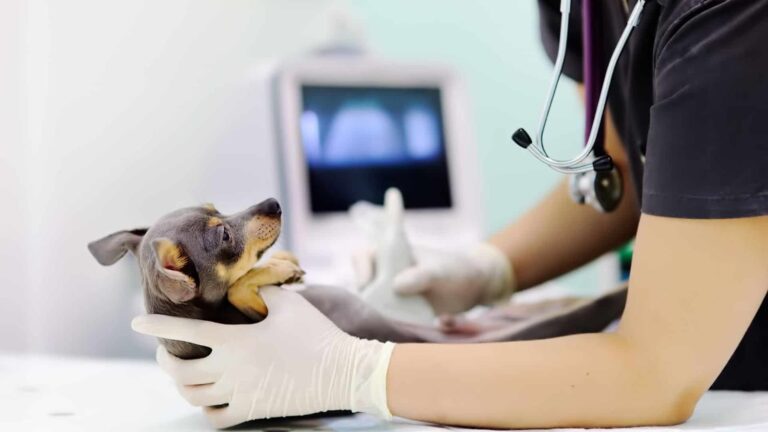
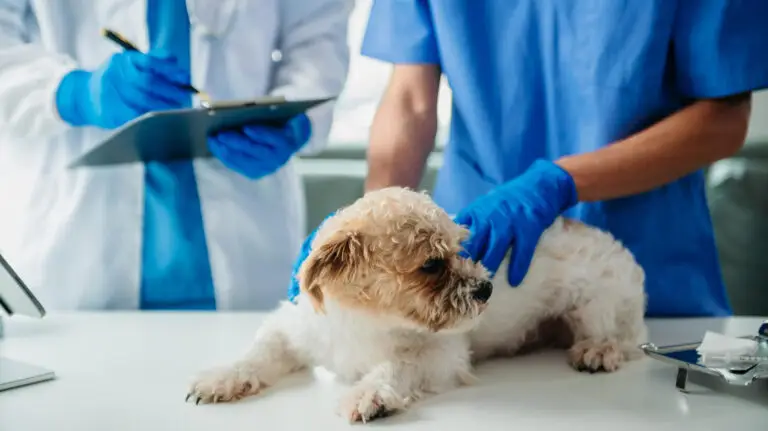
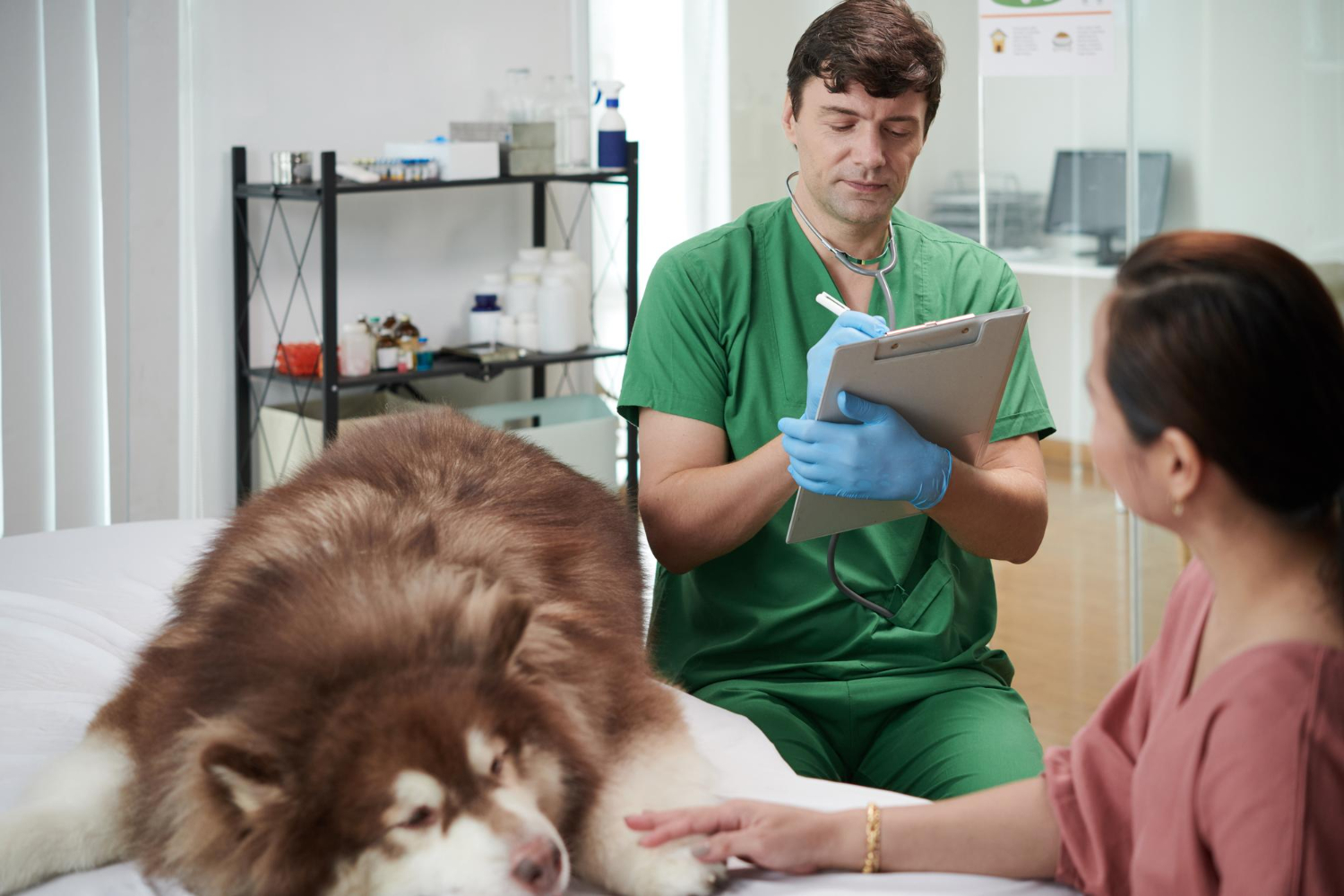
Emergency vet clinics operate on a triage system, which means they prioritize pets based on the severity of their condition, similar to a human emergency room. A pet with a life-threatening issue will be seen before a pet with a less urgent problem, even if the less urgent pet arrived first. This system can feel confusing, but it exists to save lives.
The process typically follows a clear sequence:
- Initial assessment by the veterinary team
- Stabilization if the pet’s condition requires it
- Diagnostics such as blood work or imaging
- Treatment planning with the pet owner
- Potential hospitalization for continued monitoring and care
Being prepared with your pet’s medical history and your contact information will make this process smoother. You should also expect to explain what happened, when symptoms first appeared, and what your pet has eaten recently. The care team will guide you through each step and keep you informed along the way.
Follow Safe First Aid Steps at Home
Basic first aid knowledge can make a difference before you reach the clinic, but it is important to follow safe practices. If your pet is injured, gently lay them on a flat surface and keep them as warm as possible. Moving an injured animal slowly and carefully reduces the risk of making the injury worse.
If your pet has ingested something toxic, contact a veterinarian or poison control center before doing anything else. Inducing vomiting without professional guidance can be dangerous depending on what was swallowed. Some substances cause more harm when brought back up, and some pets have health conditions that make vomiting risky.
Never give more than one dose of any medication unless a veterinarian specifically instructs you to do so. More medication is not always better, and giving extra doses can cause additional harm. When in doubt, call for guidance before taking action.
Help Your Pet Feel Calmer at the Clinic
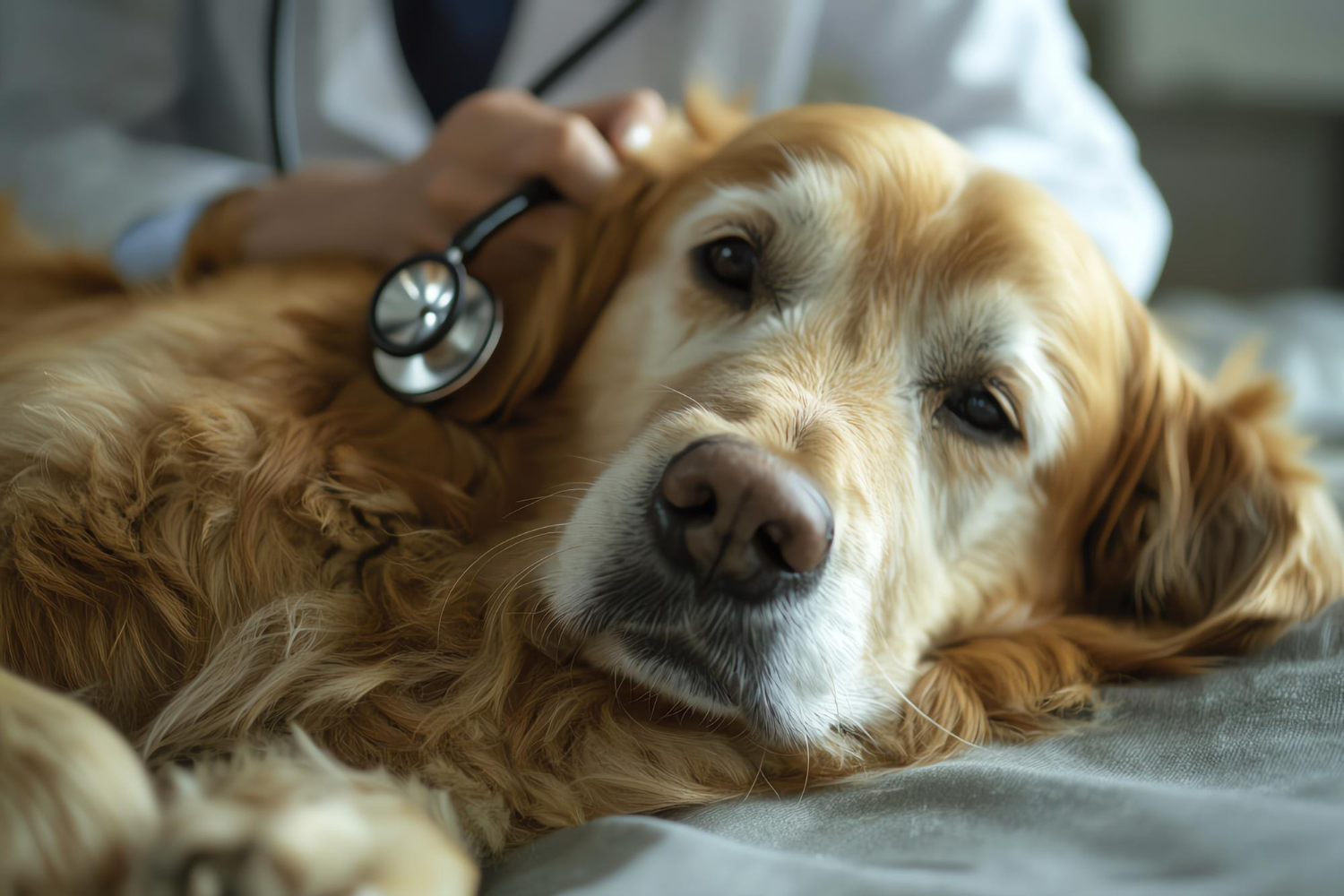
For many pets, the veterinary clinic feels unfamiliar and stressful. The sights, sounds, and smells are unlike anything in their normal routine. You can reduce that anxiety by visiting the emergency clinic when your animal is in a good mood, not just when they are sick or hurt.
Take some time to visit the clinic when your pet is healthy and relaxed. A casual visit lets your pet explore the building while feeling happy and comfortable. Keep the visit short, offer praise or a favorite treat, and leave on a positive note. These routine visits help your pet learn that the clinic is not a scary environment, and they also help your pet become familiar with the staff who may care for them in an emergency.
Stay Connected With Your Regular Veterinarian
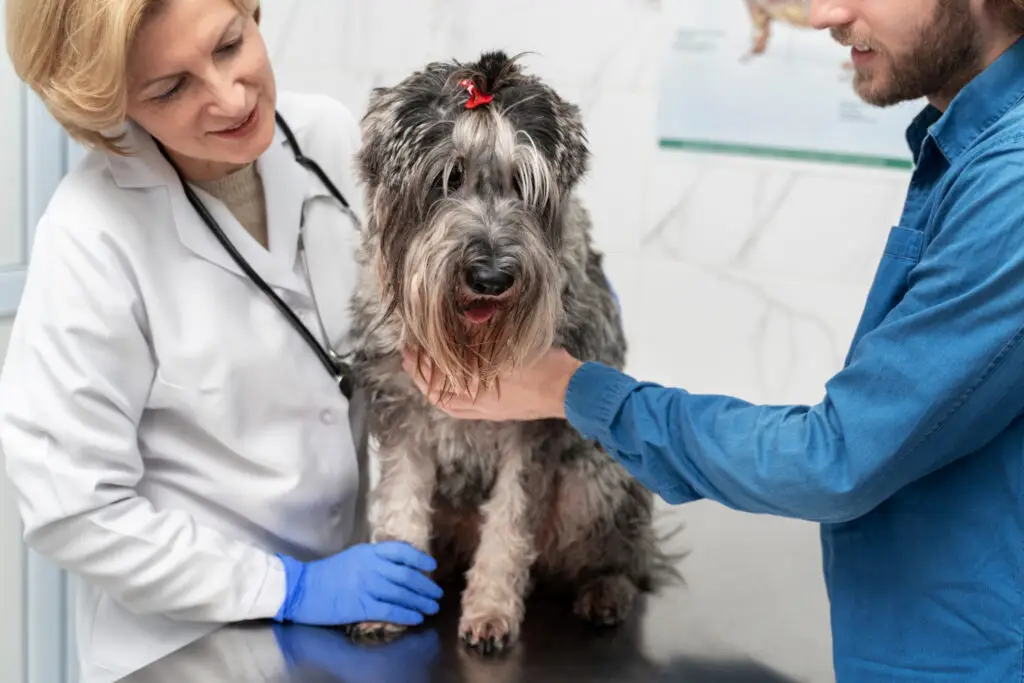
Having an established relationship with your local veterinary practice is one of the best ways to prepare for a pet emergency. Your regular veterinarian already knows your pet’s history, temperament, and normal health patterns. That familiarity becomes incredibly useful when urgent decisions need to be made and there is no time to explain everything from the beginning.
In an emergency, your regular veterinarian can also coordinate with the emergency hospital and share records quickly. This connection between practices helps ensure your pet receives consistent care and that nothing important is missed.
Along with that relationship, have a clear plan of action. Decide in advance which emergency clinic you would use, how you would get there, and who would care for your pet if you were unavailable. Make sure family members, neighbors, or pet sitters know the plan as well. Knowing these answers ahead of time removes guesswork from a frightening situation and lets you focus entirely on your pet.
Frequently Asked Questions
What should I bring to an emergency vet visit?
Bring your pet’s medical records, a list of current medications, any known allergies, and contact information for your regular veterinarian. If you have an emergency kit prepared, bring it along as well. Having this information written down in advance helps the veterinary team make faster, more accurate decisions about your pet’s care.
What items should be in a pet emergency kit?
A pet emergency kit should include a pet first aid kit, two weeks worth of food, two weeks worth of medications, vet records, a leash or carrier, and comfort items. For cats, add a travel litter box and litter. For dogs, include plastic bags. The first aid supplies should cover gauze, adhesive tape, antiseptic wipes, scissors, tweezers, and a digital thermometer.
Should I call the emergency vet before arriving?
Yes. Calling ahead provides immediate guidance and helps the hospital prepare for your pet’s arrival. The staff can give you instructions about what to do on the way and what to expect when you get there. It also allows the team to ask questions about your pet’s symptoms and readiness before you walk through the door.
How do emergency clinics decide which pet to treat first?
Emergency vet clinics use a triage system, prioritizing pets based on the severity of their condition, similar to a human emergency room. Pets with life-threatening conditions are treated before pets with less urgent issues, even if the less urgent pet arrived first. This process ensures the most critical cases receive immediate attention.
Conclusion
Preparing for a pet emergency can save precious time when your dog or cat needs help most. Keep an emergency kit ready, organize medical records, learn basic first aid, and know where to seek care. Having a plan helps you remain calm and make informed decisions during stressful moments. If your pet is injured, suddenly ill, or showing concerning symptoms, contact Wareham Animal Hospital for prompt emergency veterinary care. Call before arriving so our team can guide you and prepare for your pet’s needs.