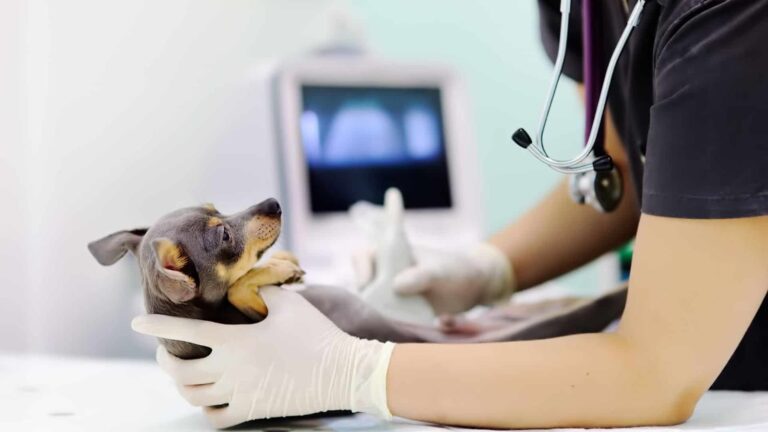

When your veterinarian recommends an echocardiogram, you may feel uncertain about what lies ahead for your dog or cat. This imaging test is a standard part of cardiac care in veterinary medicine, and it is designed to be gentle for your pet. Knowing what to expect can calm your nerves and help your pet remain relaxed from check-in to discharge. The more familiar the process feels to you, the more at ease your pet is likely to be.
The information below explains what a pet echocardiogram is, why a veterinarian might recommend one, how the appointment typically unfolds, and what the images reveal about a pet’s heart. You will also find answers to common questions about safety, comfort, and the role of the owner during the scan. Whether your pet is having a first heart evaluation or a follow-up scan, understanding the process makes the visit smoother for everyone.
What Is a Pet Echocardiogram?
An echocardiogram, often called a cardiac ultrasound, is a safe, non-invasive test that lets the veterinary team take a close, real-time look at the heart. The test uses high-frequency soundwaves to create detailed images, similar to the ultrasound technology used for other parts of the body. Because the images are captured in motion, the team can observe the heart as it beats and evaluate how well it is pumping. An echocardiogram is specifically used to monitor the size, shape, and function of the heart, all of which matter for diagnosing and managing heart disease in pets.
Some people imagine this test to be more involved than it is. The ultrasound probe is placed on the outside of the body, and the entire experience is built around keeping your pet calm and comfortable. This makes an echocardiogram one of the most accessible advanced imaging tools available in veterinary practice today.
Why Your Veterinarian May Recommend an Echocardiogram
A veterinarian may recommend an echocardiogram whenever the heart needs a closer evaluation. The test helps detect and monitor heart conditions such as congestive heart failure and cardiomyopathy. It can also provide an important baseline, giving the team a detailed look at the heart when no problems are yet visible. A physical exam and careful listening can suggest that something may be off, but an echocardiogram shows the actual structure and movement of the heart.
Because the images are produced in real time, the veterinarian can watch the heart as it contracts and fills with blood. This allows for measurements of the heart’s chambers and a clear assessment of heart function. The test is equally valuable for pets already receiving treatment for a heart condition. Follow-up echocardiograms allow the team to see whether treatment is slowing the disease or whether adjustments are needed. For conditions like congestive heart failure, this type of ongoing monitoring is a central part of care.
How the Exam Unfolds
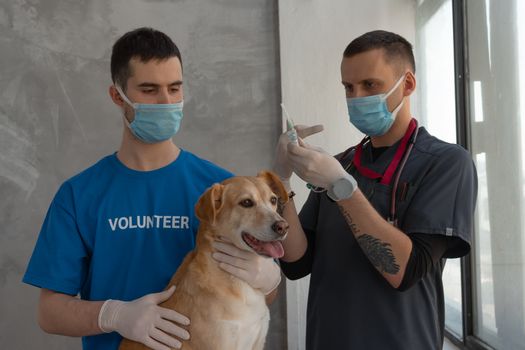
A pet echocardiogram is typically painless, and the appointment is often held in a quiet, dark room to reduce stress. The calm setting helps pets settle into the experience, and most pets are able to lie comfortably without stress during the exam. The veterinary team may dim the lights, keep noise to a minimum, and work at a gentle pace so your pet does not become anxious.
During the exam, your pet lies on an exam table while an ultrasound probe is placed on the chest against the heart. The probe sends and receives high-frequency soundwaves, which create moving images on a screen. The team reviews these images as they appear, adjusting the position of the probe to get a complete view of the heart. You may be able to sit nearby, since the owner may be present for comfort. The team’s focus is on collecting clear images while helping your pet feel safe and supported.
What the Images Reveal
The images from an echocardiogram show the heart in action. The veterinary team can measure the size of the heart and its chambers, observe the shape of the heart, and evaluate how well it is functioning. These details matter because conditions like congestive heart failure and cardiomyopathy alter the heart’s structure and performance over time. A single scan can reveal changes that a physical exam would not show.
The real-time nature of the test adds another layer of information. The team can watch the heart with each beat, noting how the chambers fill and empty and how the overall rhythm looks on screen. When a pet returns for a future scan, the team can compare images side by side with earlier studies. That comparison is a powerful tool for monitoring a condition over time and for deciding whether the current treatment plan is still appropriate.
A Safe, Non-Invasive Procedure
Echocardiography is a safe, non-invasive ultrasound that helps veterinarians diagnose and manage heart disease in pets. The test depends on high-frequency soundwaves, not surgery or incisions. Nothing enters your pet’s body during the imaging itself, which means there is no wound to heal and no recovery period tied to the procedure. Most pets can return to their normal routine right after the visit.
The low-risk nature of the test is part of why veterinarians rely on it so heavily. It provides detailed information about a vital organ without subjecting the pet to a stressful or painful experience. As with any veterinary procedure, the team will tailor the approach to your individual pet. If your pet is nervous, the team will adjust the environment and handling to make the experience as smooth as possible.
Preparing Your Pet for the Appointment
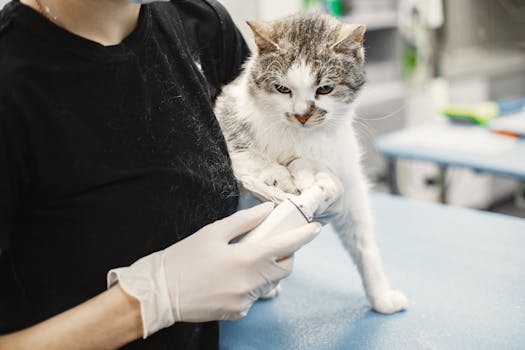
The veterinary team at your hospital will give you specific guidance before the appointment, and it is always wise to ask what to expect on the day of the visit. Since the test is non-invasive and typically painless, there is often little preparation required. The quieter and more relaxed you can keep the morning of the appointment, the easier it will be for your pet to settle into the exam room.
Because the echocardiogram is often performed in a quiet, dark room, arriving with a calm demeanor helps. Move slowly, speak in a low voice, and follow the team’s instructions when it is time to enter the exam space. If you believe your presence helps your pet stay comfortable, mention that to the team. Many practices welcome the owner to be present for comfort during the scan, and your familiarity can make a meaningful difference.
Questions to Ask Your Veterinary Team
Before the appointment, take a moment to think about what you want to know. Good questions include: Why is the echocardiogram being recommended, and what will it tell us about my pet’s heart? Should I plan to be in the room during the scan? When will we discuss the results, and will my pet need follow-up scans in the future? Asking these questions helps you feel prepared and ensures that you leave the hospital with a clear understanding of the plan.
Advanced Heart Imaging at a Full-Service Hospital
Advanced diagnostic imaging is an important part of comprehensive veterinary care. At Wareham Animal Hospital, echocardiography is offered as part of the hospital’s diagnostic services, alongside the surgical, emergency, and wellness care that pets in southeastern Massachusetts rely on. Having an echocardiogram available locally means your pet can be evaluated with advanced imaging technology without the added stress of a long referral journey, keeping the entire experience more comfortable for both of you.
Frequently Asked Questions
Here are answers to some of the questions pet owners ask most often before a cardiac ultrasound.
Is an echocardiogram painful for my pet?
No. Echocardiograms are typically painless, and most pets are able to lie comfortably without stress during the exam. The procedure involves placing an ultrasound probe on the outside of the chest against the heart, and it uses high-frequency soundwaves to create images. The testing area is usually kept quiet and dark, which helps pets relax while the veterinary team captures the images they need.
Can I stay with my pet during the echocardiogram?
The owner may be present for comfort in many cases. A familiar person can help a pet feel more at ease in the quiet, dark exam room. The veterinary team will guide you on where to sit or stand so your presence is calming without interfering with the imaging. If your pet is calmer when you are nearby, the team will work to make that possible.
What heart conditions can an echocardiogram detect?
An echocardiogram helps veterinarians detect and monitor heart conditions such as congestive heart failure and cardiomyopathy. It also provides information about the size, shape, and function of the heart, helping the team recognize structural changes over time. Because the test offers a real-time view, it gives the veterinary team a level of detail that supports both diagnosis and ongoing treatment decisions.
Is echocardiography safe for pets?
Yes. Echocardiography is a safe, non-invasive ultrasound that helps veterinarians diagnose and manage heart disease in pets. The test creates images using high-frequency soundwaves, and it does not involve surgery or an incision. Because the test is non-invasive and typically painless, it is considered a low-risk diagnostic option for most dogs and cats.
Conclusion
An echocardiogram gives veterinarians a detailed view of your pet’s heart, including its structure, movement, and function, without surgery or invasive procedures. This diagnostic tool can help identify heart conditions, evaluate symptoms, and monitor existing diagnoses, allowing your veterinarian to develop a personalized care plan.
If your dog or cat has been referred for an echocardiogram, understanding what to expect can make the experience easier. Wareham Animal Hospital offers echocardiography and advanced diagnostic imaging in southeastern Massachusetts. Contact our team to learn more about pet echocardiograms and supporting your pet’s heart health.