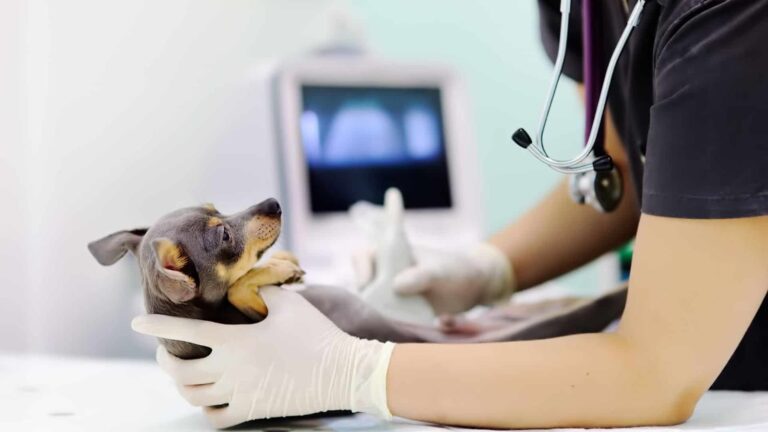
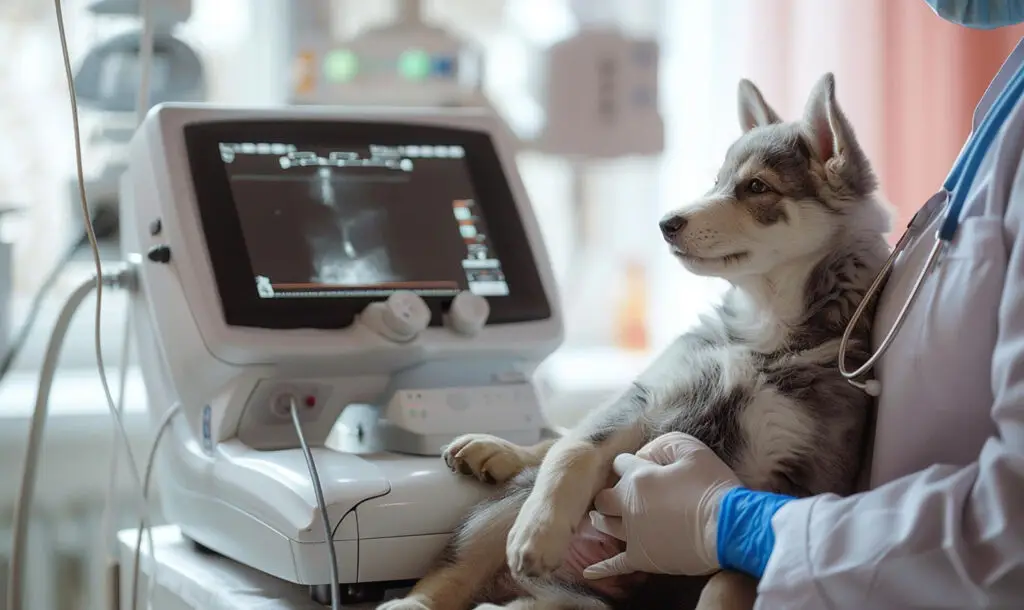
When a veterinarian recommends an ultrasound for a dog or cat, the first question many owners ask is what the test will cost. Pet ultrasounds are an important diagnostic tool because they allow veterinarians to see a pet’s internal organs in ways that X-rays cannot. The price of the scan can vary widely by region, clinic, and the type of study performed. For pet owners in Massachusetts, knowing the typical national benchmarks and the factors that shape the final bill can help with planning and decision making.
What Is a Pet Ultrasound?
An ultrasound uses sound waves to create real-time images of a pet’s internal structures. It gives veterinarians a detailed view of organs such as the liver, kidneys, spleen, bladder, and heart. This imaging method can reveal problems that X-rays cannot detect, which is why veterinarians may recommend it when they need a closer look at what is happening inside the body.
Veterinary practices typically offer abdominal and thoracic ultrasound, and some also provide echocardiography for the heart. The scan itself is non-invasive, but the quality of the images and the accuracy of the interpretation depend on the experience of the person performing and reading the study. Published cost information focuses mostly on dogs, though cat owners often see similar ranges. The best approach is to ask the treating hospital for an estimate based on the specific patient.
When Does a Pet Need an Ultrasound?
A veterinarian may recommend an ultrasound to investigate unexplained symptoms or internal health concerns.
Your pet may need one for:
- Vomiting, diarrhea, or loss of appetite
- Weight loss or abdominal pain
- Changes in urination or bowel movements
- Abnormal blood or urine test results
- Suspected organ problems or internal masses
The veterinarian will recommend an ultrasound based on your pet’s symptoms and medical history.
Pet Ultrasound: What to Expect
There is no single approach to a pet ultrasound, as the type of imaging your pet needs depends on their symptoms, medical history, and the area being examined. Ultrasound uses sound waves to create detailed images of internal organs and soft tissues, helping veterinarians evaluate conditions that may not be visible during a routine physical examination.
A general ultrasound can help assess organs and identify abnormalities that require further investigation. Depending on your pet’s condition, the veterinarian may recommend a more detailed abdominal ultrasound to examine structures such as the liver, kidneys, spleen, bladder, gastrointestinal tract, and other abdominal organs.
The veterinarian will determine the most appropriate type of ultrasound based on your pet’s individual needs. In some cases, ultrasound may also be used alongside other diagnostic tests to provide a more complete picture of your pet’s health and help guide the next steps in treatment.
Why Pet Ultrasound Recommendations Vary
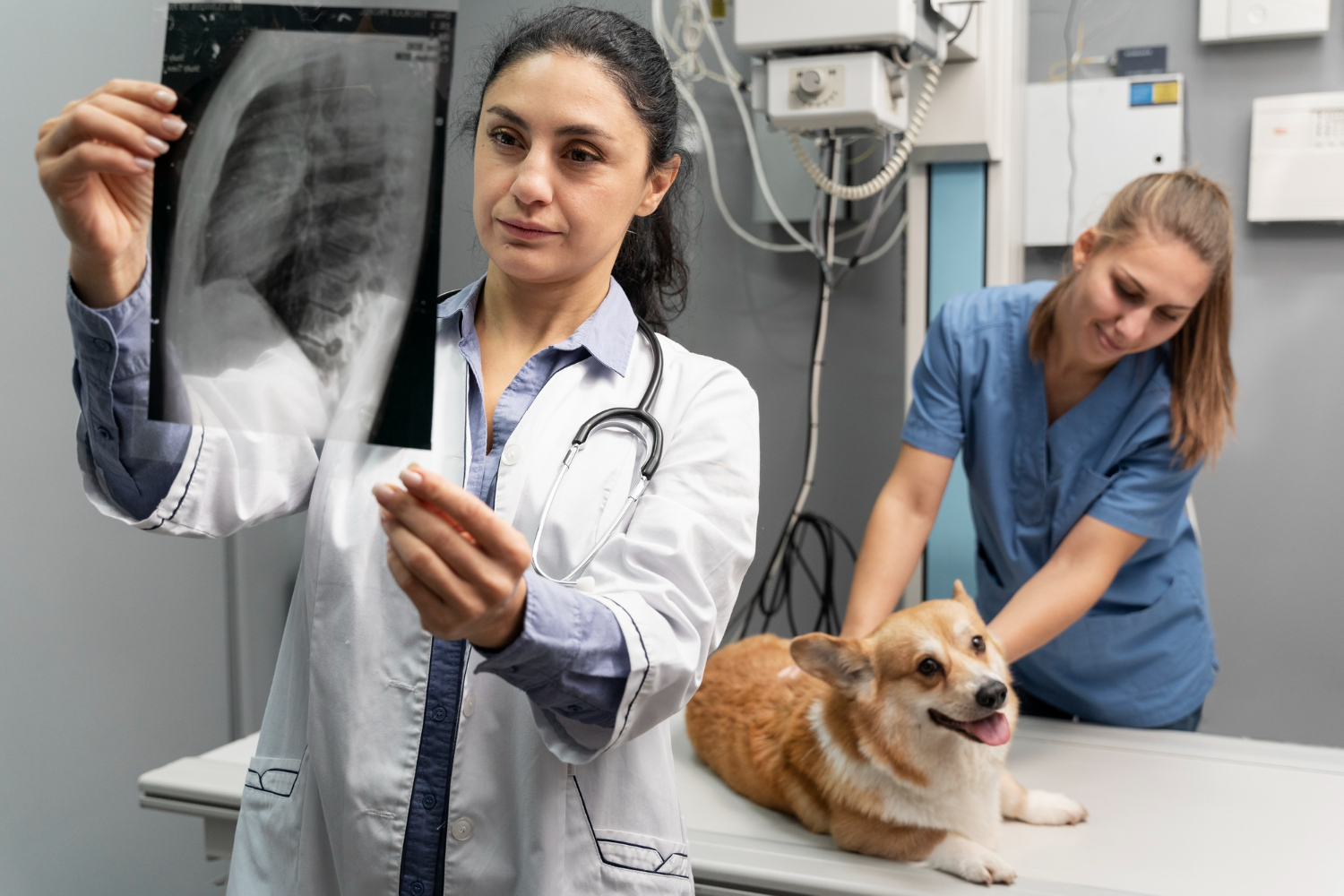
Several factors can influence the type and extent of a pet ultrasound. Understanding these variables can help pet owners know what to expect when their veterinarian recommends diagnostic imaging.
Scope of the Study
A focused scan of a specific organ is different from a full abdominal study. A comprehensive abdominal ultrasound examines multiple organs and structures, including the liver, kidneys, spleen, bladder, and gastrointestinal tract. The veterinarian will recommend the appropriate scope based on your pet’s symptoms, medical history, and diagnostic needs.
Additional Procedures
If the veterinarian identifies an area that requires closer examination during the ultrasound, additional diagnostic procedures may be recommended. In some cases, this can include collecting a tissue or fluid sample for further testing. These procedures can provide additional information and help the veterinarian better understand an abnormal finding.
Location and Practice Type
Ultrasound services can be provided in different veterinary settings. Some hospitals perform diagnostic imaging in-house, while others may refer pets to a specialty imaging center. The equipment available, level of veterinary expertise, and type of facility can influence how the examination is performed.
Who Reads the Images
Ultrasound images may be evaluated by the veterinarian performing the examination or reviewed by a veterinary imaging specialist or radiologist. Specialist interpretation can provide additional insight when a case is complex or when an abnormality requires a more detailed evaluation. Ask your veterinary team how the images will be reviewed and how the findings will be explained.
What the Ultrasound Fee Usually Covers
Before booking the appointment, it helps to understand what is included in the estimate. Many quotes cover the imaging scan itself and a basic review of the findings. Some practices may add a separate charge when a specialist interprets the images. In addition, if sedation is needed or if the patient requires monitoring during the procedure, those costs may be itemized separately. Every practice structures its fees differently, so a written estimate is the best way to avoid surprises on the day of the visit.
Questions to Ask Before the Ultrasound
Before your pet’s ultrasound, asking a few questions can help you understand the procedure and what to expect during the visit:
- What type of ultrasound does my pet need?
- Which organs or areas will be examined?
- Will my pet need sedation or any preparation before the ultrasound?
- Who will perform and interpret the ultrasound?
- Will additional diagnostic tests or procedures be recommended if an abnormality is found?
- When will the veterinarian discuss the ultrasound findings with me?
Having these details in advance can help you feel prepared and understand how the ultrasound may contribute to your pet’s diagnosis and treatment plan.

Ultrasound Services in Massachusetts
Massachusetts pet owners have access to full-service veterinary hospitals with advanced diagnostic capabilities. Wareham Animal Hospital, for example, offers ultrasound and echocardiography as part of its diagnostic services for pets in Wareham and surrounding southeastern Massachusetts communities, including Fall River, Mashpee, Taunton, Lakeville, Berkley, Plymouth, Duxbury, Bridgewater, Falmouth, and New Bedford. Advanced imaging allows the care team to evaluate a pet’s internal health on site rather than referring the patient elsewhere.
Because pricing is set locally, owners should contact their veterinary hospital for a current estimate. The cost of a pet ultrasound in Massachusetts will depend on the specific study recommended, the condition being evaluated, and the fee schedule of the practice providing the care.
Planning for the Cost of a Pet Ultrasound
Ultrasound pricing can feel stressful, especially when a pet is already unwell. Knowing the national ranges helps owners prepare, but the final cost is determined by the local practice. A full-service hospital can explain what the scan involves, why it is recommended, and what the total fee will be before the procedure is performed. Taking time to ask for a detailed estimate and reviewing what is included makes the process more predictable for everyone.
Frequently Asked Questions
What is a pet ultrasound used for?
A pet ultrasound uses sound waves to create detailed images of internal organs and soft tissues. Veterinarians may recommend this diagnostic test to investigate symptoms, identify abnormalities, or evaluate organs that cannot be fully assessed during a physical examination.
Why might my pet need an ultrasound?
An ultrasound may be recommended when a veterinarian needs more information about a pet’s condition. It can help evaluate abdominal organs, investigate unexplained symptoms, and provide additional information when other diagnostic tests do not give a complete picture.
Does the veterinarian interpret the ultrasound images?
Yes. The ultrasound images are reviewed to identify abnormalities and better understand your pet’s condition. Depending on the case, the images may be evaluated by the attending veterinarian or reviewed by a veterinary imaging specialist or radiologist.
Is a full abdominal ultrasound different from a standard ultrasound?
Yes. A full abdominal ultrasound provides a more comprehensive examination of the organs and structures within the abdomen. It may include evaluation of the liver, kidneys, spleen, bladder, gastrointestinal tract, and other areas. Your veterinarian will determine the appropriate type of ultrasound based on your pet’s symptoms and medical needs.
Conclusion
A pet ultrasound helps veterinarians examine internal organs and identify conditions that may not appear during a physical exam or on X-rays. Abdominal imaging, thoracic studies, and echocardiograms may be recommended based on your pet’s symptoms, medical history, and diagnostic needs. If your veterinarian suggests an ultrasound or your pet has unexplained health changes, timely imaging can support accurate diagnosis and treatment planning. Wareham Animal Hospital offers advanced ultrasound and diagnostic imaging with personalized veterinary care. Contact our team today to learn more about available services.