A heart murmur picked up during a routine exam, a cough that will not quit, or a cat that suddenly seems to tire on the stairs can all point to the same question: is something wrong with my pet’s heart? For owners in Wareham and the surrounding South Coast towns, the answer often starts with an echocardiogram, an ultrasound study that lets a veterinarian look directly at the heart as it beats. This guide explains what the test does, which conditions it can reveal, what the appointment is like, and how to arrange one locally.
What a Pet Echocardiogram Actually Is
An echocardiogram is an ultrasound of the heart. A probe is placed against the chest wall, and sound waves bounce back to build moving, real-time images of the heart’s chambers, valves, muscular walls, and the blood flowing through them. Nothing is inserted into your pet and no radiation is used.
Because the images are live, the veterinarian can watch the heart fill and empty, measure the thickness of the muscle, check how well the valves seal, and look for fluid or masses. That motion is the key difference between an echocardiogram and a still image such as a chest X-ray, which shows the silhouette of the heart but not what is happening inside it.
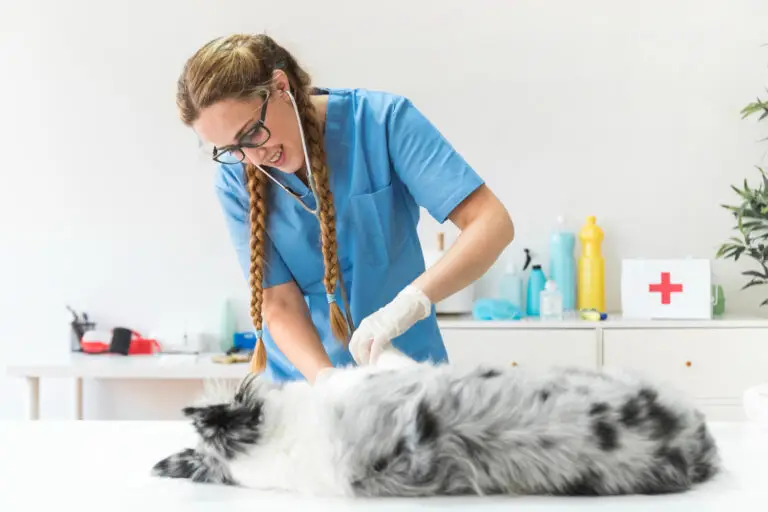
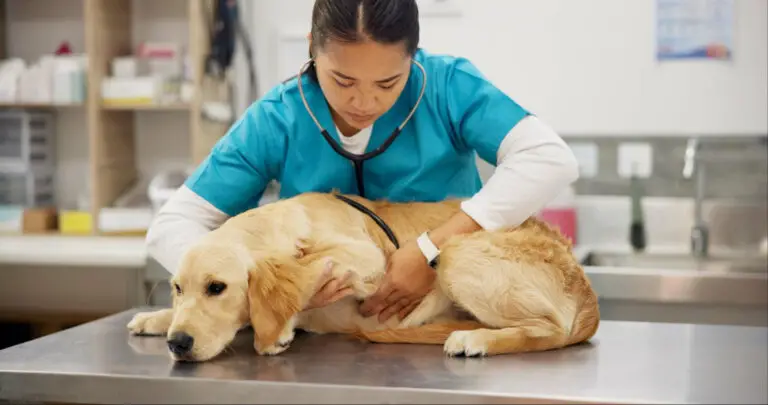
Most dogs and cats are examined while lying on their side on a padded table. Some pets are relaxed enough to be scanned while fully awake. Anxious, wiggly, or painful pets may be given light sedation so the study can be completed safely, and your veterinarian will discuss that decision with you beforehand.
Why Early Detection Changes the Picture
Echocardiography allows experienced veterinarians to detect heart conditions in their early stages. That timing matters. Many forms of heart disease in dogs and cats develop quietly for months before an owner notices anything at home. A pet can compensate for a leaking valve or a thickening heart wall for a long time, and the first obvious sign is sometimes the hardest one to manage.
When a problem is found early, the conversation shifts. Instead of reacting to a crisis, your veterinarian can start monitoring the heart at regular intervals, adjust activity or diet where appropriate, and begin treatment while the heart is still functioning well. The echocardiogram becomes a benchmark that future studies are compared against, which makes changes easier to catch.
Conditions a Pet Echocardiogram Can Help Detect
A pet echocardiogram can be used to detect birth defects, heart disease, cardiac tumors, and heartworm infections. That covers a wider range of problems than most owners expect from a single test.
- Congenital defects, meaning abnormalities a pet was born with, such as malformed valves or abnormal connections between chambers.
- Acquired heart disease that develops over a pet’s lifetime, including diseases of the valves and of the heart muscle.
- Cardiac tumors, growths affecting the heart itself or the sac around it.
- Heartworm infection, where parasites take up residence in the pulmonary arteries and the right side of the heart.
The study also helps your veterinarian judge how severe a problem is, not just whether it exists. Two pets with the same diagnosis can be at very different points in the disease, and the images guide how aggressively each one should be treated.
Signs That May Prompt Your Vet to Recommend One
Some pets are referred for an echocardiogram because of something the owner noticed at home, and others because of something the veterinarian heard through a stethoscope. A heart murmur or an abnormal rhythm detected during a wellness visit is one of the most common reasons the test is recommended.
At home, warning signs can include a persistent cough, breathing that seems faster or harder than it used to be, reluctance to exercise or play, tiring quickly on walks, fainting or collapsing, a distended belly, or unexplained weight loss. Cats are especially good at hiding heart disease, and some cats show almost no signs until the condition is advanced. If you are unsure whether a change in your pet is meaningful, call your veterinarian and describe it rather than waiting for the next scheduled visit.
What Happens During the Appointment
In most cases the echocardiogram is combined with a broader examination. Your veterinarian will listen to the heart and lungs, take a history, and may recommend chest X-rays or bloodwork alongside the ultrasound. The ultrasound itself is typically focused on the heart, and imaging of the abdomen may be performed at the same visit if there are other concerns.
Fur is usually clipped from a small area on the chest so the probe makes good contact with the skin. Gel is applied, the probe is moved to several positions, and the images are recorded. Afterward, the findings are reviewed and explained to you, along with any recommended next steps and a schedule for rechecking the heart.
Echocardiography at Wareham Animal Hospital
Wareham Animal Hospital offers echocardiography as part of its diagnostic services, and the practice reports relying on state-of-the-art echocardiography techniques to diagnose and treat heart ailments in pets effectively. The hospital also provides abdominal and thoracic ultrasounds, surgical procedures and special procedures, emergency care, and personalized wellness plans.
The team is led by a Boarded Emergency and Critical Care specialist, which matters for pets whose heart problem is discovered during an urgent visit rather than a routine one. You can reach the hospital at 1 Tobey Rd, Ste C3, Wareham, MA 02571, by phone at (508) 273-7149, by email at mypet@warehamanimalhospital.com, or through the website at warehamanimalhospital.com. Because scheduling and availability can change, confirm appointment details and current fees directly with the hospital before you go.
When a Cardiology Referral May Be Discussed
Some heart conditions benefit from a specialist’s review, particularly complex congenital defects, arrhythmias that are difficult to control, or cases where surgery or an interventional procedure is being considered. In those situations your veterinarian may recommend a referral.
One option in the region is VCA South Shore Weymouth, located at 595 Columbian Street, South Weymouth, MA, which offers echocardiography as one of its veterinary cardiology services and can be reached at 781-534-7455. A referral does not replace your primary veterinarian. It adds a specialist opinion, and the results typically come back to the hospital that manages your pet’s day-to-day care.
Other Veterinary Options in and Near Wareham
Wareham Animal Hospital is not the only animal hospital in the area, and it helps to know what else is nearby. Vetco Total Care Animal Hospital in Wareham is listed at 2421 Cranberry Hwy, Wareham, MA 02571-5023, with a phone number of (774) 775-6041. Marion Animal Hospital also serves pets with comprehensive veterinary care, including dog vaccines, cat grooming, and emergency vet services near Wareham, MA.
Not every practice offers every service, and hours and availability differ from one hospital to the next. If echocardiography is specifically what your pet needs, call ahead and ask whether the study is performed on site, who performs it, and how quickly results are available.
What to Ask Before You Book
A few short questions can save you time and confusion. Write them down before you call.
- Does this hospital perform echocardiograms on site, or is the study done by a visiting specialist on certain days?
- Who interprets the images, and will I receive a written report?
- Will the findings be shared with my regular veterinarian?
- What does the visit cost, including any sedation, X-rays, or bloodwork that may be recommended?
- How soon should the heart be rechecked, and what changes at home should prompt a call sooner?
If you carry pet insurance, ask what documentation the company needs for a claim. An itemized invoice and the veterinarian’s report are commonly requested, but requirements vary by provider, so confirm with your insurer.
Preparing Your Pet for the Visit
Ask the hospital whether food should be withheld before the appointment, since sedation or other procedures may be planned. Bring a list of any medications and supplements your pet takes, along with the dates of recent illnesses or episodes you have noticed. Arriving a few minutes early gives your pet a chance to settle in a waiting room, which often makes the scan easier.
After the appointment, expect your pet to be a little tired if sedation was used, and expect a small clipped patch on the chest where the probe was placed. The fur grows back. The information gathered, however, can shape your pet’s care for years.
Frequently Asked Questions
What is a pet echocardiogram?
A pet echocardiogram is an ultrasound study of the heart. A probe placed on the chest uses sound waves to create moving images of the heart’s chambers, valves, and muscle, along with the blood flowing through them. It is non-invasive, uses no radiation, and is typically performed with the pet lying on its side.
Is an echocardiogram painful for my dog or cat?
The test itself is not painful. Most pets feel only the pressure of the probe against the chest and the coolness of the ultrasound gel. Fur is clipped from a small area to improve image quality, which some pets find mildly annoying, but there are no incisions and no recovery period afterward.
Does my pet need to be sedated for an echocardiogram?
Not always. Many pets lie still enough to be scanned while fully awake. If your pet is anxious, uncomfortable, or constantly moving, your veterinarian may recommend light sedation so the images are clear and the visit is completed in one session. The decision is made case by case and discussed with you first.
How is an echocardiogram different from a chest X-ray?
A chest X-ray shows the size and outline of the heart and can reveal fluid in the lungs. An echocardiogram shows what is happening inside the heart while it beats, including valve function, wall thickness, chamber size, and blood flow. The two tests are often used together because they answer different questions.
Where can I get a pet echocardiogram in Wareham, MA?
Wareham Animal Hospital at 1 Tobey Rd, Ste C3, Wareham, MA 02571 offers echocardiography among its diagnostic services and can be reached at (508) 273-7149 or mypet@warehamanimalhospital.com. Other practices in the region also provide the study, so call ahead to confirm availability, scheduling, and current pricing before booking.